

Blog / News

Borgman How-To: Spotting When Your Rad Is Going Bad

overheated system

It's summer in West Michigan, which means a lot of fun out in the sun, trips to the beach, or trekking up north for a weekend of camping. While we can stay cool by hanging out in the shade or taking a dip in Lake Michigan, our vehicles rely on a complex system of hoses, tanks, and a big heat exchanger called a radiator to do the same. If something isn't working right, it can really put the brakes on a fun-filled weekend before you even make it out of Grand Rapids.

In this Borgman How-To, we're giving you a quick tour of your vehicle's radiator and cooling system so that you can easily spot issues before you hit the road, while they're happening, and take steps to prevent damage to your engine.

What is a Radiator and What Does It Do?

A radiator (sometimes called a rad for short) is a type of heat exchanger mounted at the front of a vehicle. Its purpose is to regulate engine temperature, but it relies on a whole system of plumbing and sensors to accomplish this. These days, just about every vehicle you'll see on the road (except motorcycles) is water-cooled, meaning a closed system of coolant/antifreeze keeps everything within operating temperature. A radiator's job is to push the excess heat out of the engine bay.

As hot coolant moves through the coiled up pipes in the radiator, tiny metal fins conduct heat away from them and a fan blows that heat out of the system through the front grille. It's important to remember throughout this article that a radiator is just one piece of a system with a specific job. If you're troubleshooting, keep in mind this system is designed to regulate temperature, not necessarily just keep it cool.

Your Vehicle's Cooling System: A Basic Rundown

When you start your vehicle, your radiator does... nothing! Coolant is circulated between the reservoir and a metal jacket around the engine until the engine gets up to operating temperature. The water pump keeps the coolant pressurized and moving throughout the system. Once the temperature in this smaller track reaches about 190°F, the thermostat kicks in. Think of it like one of those turkey thermometers that pop up, but with a valve inside that allows coolant to move into the rest of the system. The radiator fan will adjust its speed depending on how hard the engine is working.

From here, coolant is routed to the radiator to keep it within a certain temperature range, the heater core for your climate control, and into another chamber to exchange heat with the transmission's cooling system. As the coolant heats up it expands, so the radiator cap allows excess air to escape. After hot coolant from the engine passes through the radiator, the cycle repeats.

Signs & Symptoms of a Heat Management Issue:

The two the most obvious signs that your vehicle's radiator or cooling system is failing are frequent overheating and coolant loss. The first won't be noticeable until the engine has run for a while, but missing coolant usually isn't subtle. In most cases, you'll see coolant-colored spots appear in the driveway or thick white smoke from the tailpipe. The easiest way to spot a slow leak is to get into the habit of checking your fluids every other time you get gas.

Weather/Environment-Related Overheating

If you find yourself overheating while out driving, many people's first instinct is to pull over and open the hood. Overheating doesn't necessarily mean that the cooling system is failing, it just may be overloaded. Instead of pulling over, try turning off the air conditioning, rolling down the windows, and turning the heater all the way up. This lessens the strain on the engine and sucks heat out of the system. If the temperature gauge doesn't go back down after doing this or if the temperature keeps rising, then it's time to pull over.

Random overheating usually occurs in summer when idling for long periods of time in heavy traffic, such as waiting in line to park at one of West Michigan's beaches. This is because your air intake is pulling in hot air from another vehicle's exhaust, and the engine isn't under much load so it doesn't necessarily know to compensate for the heat. If you can't move and turning the heater up isn't allowing the radiator to catch up, try putting the vehicle in park, doing the steps above, and gently revving the engine. This could "wake up" the radiator fan and get things back under control.

Note: If you see any amount of steam coming from beneath the hood, pull over as soon as you safely, possibly can and turn off the engine.

What To Do If Your Radiator/Cooling System Is Failing

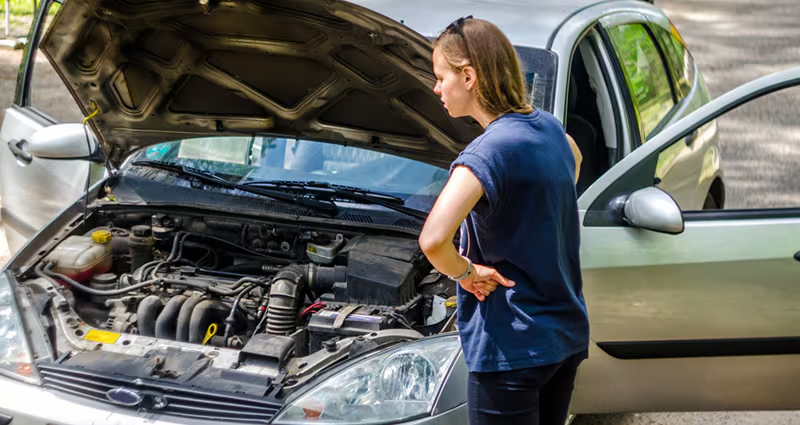
If the temperature is still rising despite following the steps above, safely pull over to the side of the road and turn the engine off. Pop the hood and wait a few minutes for things to cool down. Opening the hood too soon could result in burns, especially if there is visible steam coming from the radiator. Listen for any bubbling or strange noises, then check the coolant reservoir level. Do not open the radiator cap.

If the coolant levels are normal, give the engine some time to cool down and drive to the nearest service center where a technician can look it over. It could be a bad thermostat, temperature gauge, radiator fan, contaminated coolant, or a faulty sensor somewhere.

If the coolant levels are lower than normal, it's either being lost through a leak in the radiator, one of the hoses, or through a worn gasket in the engine. This is when it's time to call for roadside assistance, but if that isn't an option there might be steps you can take. Below are some common faults in the cooling system:

  • Cracked Hose:This is perhaps the most common cause of a leak. These rubber hoses undergo heating up and cooling down every time you use the vehicle, all while holding the system under pressure. Eventually, the rubber degrades and hairline cracks appear, allowing coolant to escape. These cracks get worse over time and can result in a full-blown leak. Starting from the radiator, follow each hose to where it's going and look for signs of residue or active leaking. Sometimes, the hose itself is fine but the clamp at the end is loose. If this is the case, you might be able to carefully readjust the clamp with a screwdriver.In a pinch, cracks or small holes can be duct-taped shut. It's not permanent, but it can be good enough to limp the vehicle to a service center. If you don't have any spare coolant, plain ol' water can be used as a temporary substitute - just be sure to tell the technician.
  • Contaminated Coolant:Over time, coolant can degrade and turn a dark, rusty-looking color and lose its effectiveness. It can even start to solidify inside the radiator, making that section less efficient. Discolored coolant can also be a sign that fluids are mixing together, especially if your radiator has a transmission cooler. If your coolant is discolored, the system needs to be flushed and the source of contamination repaired. Coolant should be bright in color, and they are color-coded based on what type you should use. They are not interchangeable.
  • Faulty Thermostat:Thermostats themselves are a very simple, inexpensive part but where they're located can make them expensive to replace. A thermostat that doesn't open fully (or at all) will cause overheating, so it's never a bad idea to replace it if the opportunity presents itself. Unfortunately, this isn't something you can fix on the side of the road.
  • Hole in the Radiator Itself: If you can't find any coolant residue in/around any of the hoses, the leak may be in the radiator itself. Check the fins, cap, and bottom of the radiator and if you discover a leak, take note of where it is. If it's small enough that it can be patched with something like fast-set epoxy putty (or even chewing gum) then it's worth a shot. Using products like radiator stop-leak or black pepper to plug up a leak should be considered an absolute last resort, but just know that there's no guarantee they will work and often create more problems than they solve.
  • Radiator Fan Belt:Not every car has one of these, but if you have a belt-driven radiator fan and the belt is broken, you can replace it with a leg of pantyhose tied into a loop. It's not something you'd want to do for very long, but it can be enough to get you to a service center.

A Few Things You Shouldn't Do To An Overheating Engine:

When an engine is running normally, coolant can become hotter than boiling water depending on what part of the system it's in. Never open the radiator cap on a hot engine, as the coolant is under pressure and will spray out. This information is also printed in no uncertain terms on the radiator cap, so make sure the engine is cool before removing it.

Back in the old days, it was common wisdom to plug up a radiator leak with egg whites and water if you were stranded. Its effectiveness is debatable, but on modern radiators, it will almost certainly make things worse. Today's radiators have all sorts of little fins and agitators inside the exchanger to mix the coolant as it moves through, and egg whites will cling to those instead of the leak.

Lastly, do not pour water on an engine block to cool it down faster. The iron will contract too quickly, resulting in a slightly-distorted engine (head gasket repairs that never seem to take) and possibly hairline cracks in the metal.

Summer Explorer

Having Radiator Trouble in the West Michigan Summer Heat? Visit the Borgman Service Center in Grand Rapids, MI

If your vehicle can't seem to beat the summer heat, make an appointment today with the Borgman Service Center in Grand Rapids, MI. Our friendly and highly-trained technicians will inspect your radiator and cooling system for signs of wear, leaks, or discoloration and make sure you understand any issues before making decisions.

Whether you need a new radiator or just a system flush, you can count on us to get you back on the road to adventure. Check out our Latest Service Coupons and Schedule Your Appointment Online. Come see why we're the Best in the West!
Posted in:

Related Posts

engine light

Five Common Causes of a Check Engine Light

It's that time of year again: as West Michigan goes through cycles of warm days and frigid nights, fluctuating temperatures can cause small issues to arise in your vehicle. A lot of the time, a check engine light will come on for something insignificant, including faults in the sensors monitoring for issues. more Read More If your vehicle started showing a check engine light recently, it's not always bad news. Oftentimes, a quick check from our highly-skilled technicians is all that's needed. If you do need a repair, our team will ensure it's completed correctly and promptly. Read on for five common causes of a check engine light, then visit the Borgman Service Center for a pre-winter checkup! Your Gas Cap Is Loose When customers come in reporting a check engine light in an otherwise healthy vehicle, a loose fuel cap is often the cause. The cap prevents gasoline fumes from escaping the tank and helps the entire fuel system stay at the correct pressure. If you've discovered your check engine light is on after filling up at the gas station, pull over and check if your gas cap is properly tightened. The light may not go away after fixing the issue, but our technicians will be able to shut it off for you. Dirty Oxygen Sensors Most vehicles are equipped with a series of oxygen sensors. These measure the amount of unburnt oxygen in your vehicle's exhaust, and then tell the computer to adjust the fuel/air mixture accordingly. A failed sensor will throw a check engine light, but sometimes all that's needed is a quick cleaning. An exhaust gas recirculation or EGR valve failure can also produce a check engine light. This valve lowers the amount of nitrogen oxide in your exhaust and can become partially or completely clogged. Small Vacuum Leak Every vehicle relies on a series of rubber vacuum tubes to regulate certain functions of the engine. As they age, the rubber hoses begin to crack and let air in or out, but may only do this under certain conditions. Most of the time this produces a rough idle, but strange symptoms that are tricky to diagnose cal also arise. Our technicians have experience finding and replacing damaged vacuum lines quickly. Failing Spark Plugs & Wires If your spark plugs are malfunctioning, either from failing wires or the plugs themselves, gasoline vapor is pushed through the exhaust system without being ignited. This is detected by sensors, and can potentially cause dangerous issues like backfiring, or gasoline exploding from the heat inside the exhaust system. It can also cause expensive damage to the oxygen sensors, catalytic converter, and more. Fortunately, a misfiring engine usually isn't subtle. However, sensors could detect an issue before it becomes major, so bring your vehicle in as soon as possible. Engine Airflow Issues Your engine relies on sensors to measure the air and fuel coming into the cylinders are mixed together at the right ratio. This ensures your engine runs cleanly and efficiently. If one of these ingredients is disrupted, the sensors catch it and alert you via the check engine light. There are two common culprits for airflow issues: your engine air filter being clogged, and a failing mass airflow sensor. Of course, there could be other factors in play. Our technicians will be able to find the cause and resolve it promptly. Seeing a Check Engine Light? The Borgman Service Center in Grand Rapids Can Help! While your vehicle's onboard diagnostics produce codes that correspond to predefined issues, it's a technician's job to interpret these codes and think holistically about the source of the issue. That's the difference between using a trusted repair facility like the Borgman Service Center and an auto parts store. If you're seeing a check engine light, Schedule An Appointment with us and Contact Us if you have any questions. Our team will make sure we identify and resolve the issue properly. Be sure to check out our latest Service Coupons and come see why we're the Best in the West!

Ford vehicle in winter

Borgman Holiday Gift Ideas For West Michigan Ford Fans

We've already endured one snowstorm this season in West Michigan and more are surely on the way. Luckily, the Borgman Service Center is here to help keep you on the road all winter long. This month, the Borgman Service Center is showcasing some options available for the upcoming winter weather: genuine Ford accessories, professionally-installed rust protection, and smartphone-enabled remote start. These can make driving in our Michigan winter wonderland much easier, and are great gift ideas too! Read more about each below. more Read More Shop Genuine Ford Accessories at Borgman Ford Whether you're looking for something specific, such as all-weather floor mats or something for the warmer months like a roof-top tent system, Borgman Ford is your one-stop shop for genuine Ford parts and accessories! Our staff would be delighted to help you find the perfect gift for the Ford fan on your list, or make recommendations for upgrades that are tailored to their vehicle. Shop electronics like dashcams, lighting kits, or backseat screens for the kids, toolboxes and bedliners for trucks, or even tube step bars, Molle gear systems, and roof racks for outdoorsy types! We can also handle any required installation - so you know it's been performed safely and correctly. Rust & Corrosion Protection Borgman Ford maintains a relationship with Great Lakes Chemical in Grand Rapids, MI. They are our trusted partner for professionally-applied treatments and coatings such as Diamon-Crystal for windshields, paint protectors, rust proofing, and more. Many of our customers choose one or more of their services when they buy a vehicle from us, but it's not unheard of to have our service department handle it for you too. During the winter your vehicle's body panels, subframe, suspension components and more are exposed to rock salt and other ice-melting solutions. Road commissions use these to chemically melt ice on roadways, and completely necessary for ensuring they're as safe as possible. Salt mixes with the water in the ice to lower the freezing point, but it also makes the water more conductive. This faster transfer ions is what accelerates rusting, and it's even more pronounced in salt substitutes. The underside of your vehicle gets the worst of it, and runaway rust can cause problems in your suspension, exhaust, and even brake lines! Frequently visiting the car wash can help, but adding an extra layer of protection to your vehicle will lock out salt water, stave off costly repairs, and dramatically extend the life of your vehicle. The Borgman Service Center will be happy to handle the application of the latest in rust protection technology. We've teamed up with Great Lakes Chemical for this and other services. With their advanced process, there's no need to drill holes into parts of your vehicle to apply the treatment, and it will not interfere with your manufacturer's warranty. Using a specialized applicator, the technician will coat structural parts on the underside of your vehicle, as well as other areas that are prone to rust such as door sills. They will also "fog" the inside of your doors, quarter panels, trunk lid and seam, hood, and more. For more information and a quote, visit the Borgman Service Center. Ford Remote Start Systems The Borgman Service Center offers Ford's Remote Access kit and will be happy to install it on a compatible vehicle. This kit allows you to start your vehicle via your smartphone and includes other convenience features too, such as mobile alerts from the anti-theft system. To learn more and to see what solutions are available for your vehicle, visit the Borgman Service Center. Quality Service & Upgrades For Your Vehicle in West Michigan Whether you're thinking of adding upgrades to someone's vehicle as a holiday gift, or need a vehicle health checkup before winter hits, visit the Borgman Service Center in Grand Rapids, MI for affordable offers and unparalleled customer service. We’ll review which solutions are compatible with the intended vehicle and lay your options out for you but will never pressure you to buy. If you need a pre-winter check-up, our trained technicians will carefully inspect your vehicle's systems for cracked hoses, leaks, and other worn components - replacing them with the highest quality parts available at an affordable price. Visit our Service Center page and make your appointment online today. Come see why we're the Best in the West!

fall season

Four Fabulous Fall Road Trip Destinations in Michigan

As the seasons change, Michigan's sprawling forests erupt in brilliant displays of red and gold. If you're taking to the highways this fall to enjoy the changing leaves with your family, we've pulled together some of the best places in Michigan to take in the views. Of course, ensuring your vehicle is ready is key to a successful trip. Whether you need an oil change, tire rotation, or just a general checkup, the pros at the Borgman Service Center are here to help you travel safely. Use our easy Online Scheduler then take a look at our latest Service Offers to get ready to explore. more Read More The Leelanau Peninsula & State Park M-22 along the Lake Michigan lakeshore is absolutely breathtaking in autumn. At places, you can see Lake Michigan from the road, but most of the way is canopied by forest-capped rolling hills. The route starts near Manistee among the fruit trees and roadside produce stands before approaching the dramatic hills and blazing colors of the Sleeping Bear Dunes National Lakeshore. Keep following until you reach Leland, a small coastal town between the Big Lake and Lake Leelanau. If cycling is your thing, you'll find plenty of opportunities near Northport, MI. M-22 provides the twists and turns you'll be sure to enjoy before veering southward along the Leelanau Peninsula’s eastern shore on the way toward Traverse City. 8 miles off of M-22, a wooded M-201 brings you to Leelanau State Park near Northport. The park is surrounded on three sides by Lake Michigan, granting colorful hiking trails, surf-washed beaches, and the brilliant white 1858 Grand Traverse Lighthouse. If you're looking for a destination to travel to up north, this is one of the best. The Blue Star Highway Michigan’s favorite warm-weather retreat, the Lake Michigan Lakeshore, transforms into a riot of color in the fall. If you follow Lakeshore Avenue south from Grand Haven, you'll be traveling through a tunnel of colorful maples and poplars. In Holland, the Blue Star Highway features sweeping curves that appeal to Sunday drivers, motorcyclists, and anyone in love with sweeping rural landscapes. The journey concludes with the cool sands and Lake Michigan vistas of St. Joseph's Lookout Park. Alpena & Tawas City It’s easy to overlook Michigan’s “Sunrise Coast,” but along the Lake Huron shore, the brilliant autumn foliage gives reason to slow down. Lakeside towns brighten with color and bright hardwoods offer a lovely backdrop to rocky beaches and romantic lighthouses. In Tawas City, take a quick detour out to sandy Tawas Point State Park to see Lake Huron’s powerful whitecaps and visit the elegant white Tawas Point Lighthouse. Then follow US-23 along the Lake Huron shore, through coastal villages that slow down with the cool of autumn. In Au Sable, lace up your boots and hit the Shore to Shore Hiking Trail to enjoy the vivid colors of maple and poplar trees and the pleasure of crunching leaves underfoot. In Harrisville, feast on a beachside picnic or detour to the towering white-and-red lighthouse at Sturgeon Point. Finally, in Alpena, catch one last look at powerful Lake Huron from Thunder Bay. Old Mission Peninsula Old Center Road, or M-37, winds up the center of Old Mission Peninsula, a thin strip of land that leads into Grand Traverse Bay. This route twists and turns over rolling hills of tidy, golden-hued vineyards and hardwood stands, all backed with views of sparkling Lake Michigan. Look for opportunities to buy locally-grown apples and pears or stop at one of a dozen wineries occupying Old Mission, including award-winners Brys Estate, 2 Lads Winery, and Chateau Grand Traverse. For even more destinations, visit Michigan.org. Ready to set out on your next adventure? Let the pros at the Borgman Service Center ensure your oil changes are up to date, your engine, tires, brakes, and other components are all in good condition, and that your vehicle is ready for a successful trip! Schedule Your Appointment Online here and take a look at our latest Specials to save on the services you need. Come see why we're the Best in the West!