
Memorial Day Weekend is coming up, and that means lots of West Michiganders will be hitting the road with trailers, boats, campers, and more in tow behind their vehicles. Hitching up a trailer may seem simple enough, but there are a number of things you need to consider first, as well as some road rules that will keep you, your passengers, and other motorists safe.
Make your Memorial Day memorable and escape to Michigan’s great outdoors. Whether you love boating, camping, or glamping, Ford Service will help you tow & go with our service specials.
Towing Guide for West Michigan Vacationers
Before we get started: If you're reading this in preparation for towing for the first time this spring, it's worth a visit to Borgman Ford first. If you need a vehicle for towing, our team will listen to your needs - namely what size and shape trailer or camper you're going to be hauling - and make sure you're presented with vehicles that are properly equipped for the task.
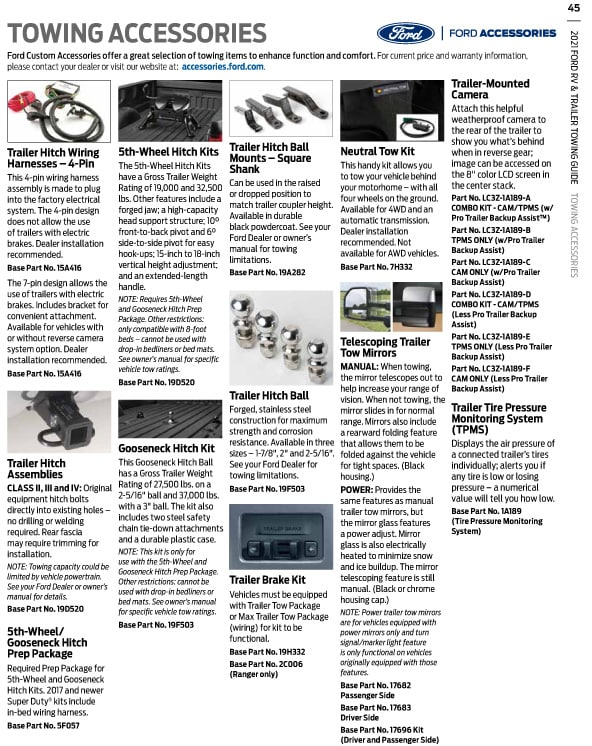
If you want to make sure your vehicle is properly equipped, we can help with that too. Our Service Department will listen to your needs - same as our sales staff - and make recommendations about which parts will be necessary to tow your trailer or camper safely. We will then order the parts for you and install then as soon as possible, so your vehicle spends less time in the shop and more time out on adventures. To see what parts are available for your vehicle and current pricing, visit Accessories.Ford.com.
Finally, if your vehicle is properly equipped and you've even towed before, getting a checkup before hitting the road is very important for everyone's safety and prolonging the life of your vehicle. Take a look at our Service Specials and Schedule An Appointment today using our easy, online scheduler.
Cargo And Weight Distribution
For optimum handling and braking, the load must be properly distributed Keep center of gravity low for best handling. Approximately 60% of the allowable cargo weight should be in the front half of the trailer and 40% in the rear (within limits of tongue load or king pin weight.) Load should be balanced from side to side to optimize handling and tire wear Load must be firmly secured to prevent shifting during cornering or braking, which could result in a sudden loss of control.
Before Starting
Before setting out on a trip, practice turning, stopping, and backing up your trailer in an area away from heavy traffic Know clearance required for trailer roof Check equipment (make a checklist.)
Backing Up
Back up slowly, with someone spotting near the rear of the trailer to guide you Place one hand at bottom of the steering wheel and move it in the direction you want the trailer to go Make small steering inputs – even slight movement of the steering wheel results in much greater movement in the rear of the trailer.
Braking
Allow considerably more distance for stopping with a trailer attached. Remember, the braking system of the tow vehicle is rated for operation at the GVWR, not GCWR If your tow vehicle is an F-150, F-Series Super Duty®, Transit or Expedition, and your trailer has electric brakes, the optional Integrated Trailer Brake Controller (TBC) assists in smooth and effective trailer braking by powering the trailer’s electric or electric-over-hydraulic brakes with proportional output based on the towing vehicle’s brake pressure If you are experiencing trailer sway and your vehicle is equipped with electric brakes and a brake controller, activate the trailer brakes with the brake controller by hand. Do not apply the tow vehicle brakes as this can result in increased sway.
Turning
When turning, be sure to swing wide enough to allow the trailer to avoid curbs and other obstructions.
Towing On Hills
Downshift the transmission to assist braking on steep downgrades and to increase power (reduce lugging) when climbing hills With TorqShift® transmission, select tow/haul mode to automatically eliminate unwanted gear search when going uphill and help control vehicle speed when going downhill.
Parking With A Trailer
Whenever possible, vehicles with trailers should not be parked on a grade. However, if it is necessary, place wheel chocks under the trailer’s wheels, following the instructions below. Apply the foot service brakes and hold Have another person place the wheel chocks under the trailer wheels on the downgrade side Once the chocks are in place, release the brake pedal, making sure the chocks will hold the vehicle and trailer Apply the parking brake Shift automatic transmission into park, or manual transmission into reverse With 4-wheel drive, make sure the transfer case is not in neutral (if applicable.)
Starting Out Parked
On A Grade Apply the foot service brake and hold Start the engine with the transmission in park (automatic) or neutral (manual) Shift the transmission into gear and release the parking brake Release the brake pedal and move the vehicle uphill to free the chocks Apply the brake pedal while another person retrieves the chocks.
Acceleration And Passing
The added weight of the trailer can dramatically decrease the acceleration of the towing vehicle – exercise caution. When passing a slower vehicle, be sure to allow extra distance. Remember, the added length of the trailer must clear the other vehicle before you can pull back in Signal and make your pass on level terrain with plenty of clearance If necessary, downshift for improved acceleration.
Driving With An Automatic Overdrive Transmission
With certain automatic overdrive transmissions, towing – especially in hilly areas – may cause excessive shifting between overdrive and the next lower gear. To eliminate this condition and achieve steadier performance, overdrive can be locked out (see vehicle owner’s manual) If excessive shifting does not occur, use overdrive to help enhance performance Overdrive may also be locked out to obtain engine braking on downgrades When available, select tow/haul mode to automatically eliminate unwanted gear search and help control vehicle speed when going downhill
Driving With Cruise Control
Turn off the cruise control with heavy loads or in hilly terrain. The cruise control may turn off automatically when you are towing on long, steep grades. Use caution while driving on wet roads and avoid using cruise control in rainy or winter weather conditions.
Tire Pressure
Under-inflated tires get hot and may fail, leading to possible loss of vehicle control Overinflated tires may wear unevenly and compromise traction and stopping capability Tires should be checked often for conformance to recommended cold inflation pressures.
Spare Tire Use
A conventional, identical full-size spare tire is required for trailer towing (mini, compact, and dissimilar full-size spare tires should not be used. Always replace the spare tire with a new road tire as soon as possible.)
On The Road
After about 50 miles, stop in a protected location and double-check: Trailer hitch attachment Lights and electrical connections Trailer wheel lug nuts for tightness Engine oil – check regularly throughout your trip.
High Altitude Operation
Your vehicle may have reduced performance when operating at high altitudes and when heavily loaded or towing a trailer. While driving at elevation, in order to match driving performance as perceived at sea level, reduce GVWs and GCWs by 2% per 1,000 ft. elevation.
Powertrain/Frontal Area Considerations
The charts in this Guide show the minimum powertrain needed to achieve acceptable towing performance for the listed GCW of tow vehicle and trailer Under certain conditions, however, (e.g., when the trailer has a large frontal area that adds substantial air drag or when trailering in hilly or mountainous terrain) it is wise to choose a vehicle with a higher rating. Towing performance is maximized with a low-drag, rounded front design trailer.
Selecting A Trim Series Your specific vehicle’s tow capability could be reduced based on the weight of the selected trim series and option content.
Note: For additional trailering information pertaining to your vehicle, refer to the vehicle owner’s manual.
In most cases, hitch failure can be prevented by regular inspection and maintenance. These are maintenance tips for traditional hitches; hitch maintenance for 5th wheelers will be discussed in a future article.
Available Towing Accessories
Hitch Ball and Trailer Coupler
The hitch ball and trailer coupler need high-temperature grease to avoid grinding. You can find that grease at any Camping World store, but make sure to check with an RV technical expert if you’re not sure what kind of grease to get or how to re-lubricate it.
Sway Controls
Those who have towed any sort of unit behind their vehicle are familiar with the necessity of sway control. By installing sway control bars, you’ll keep your travel trailer or camping trailer riding smoothly in line with your towing vehicle. Occasionally (once or twice per year), remove and clean the sway bar and make sure it’s fully tightened when re-installed.
Ball Mount and Receiver
Crouch down low and look for any sign of rust or bending, and remove and lubricate the sidebar sockets.
Safety Chains
Your last line of defense in case the towed unit comes off the hitch, the safety chains deserve attention. Inspect for any bent or cracked links that may cause failure.
The Hitch
White lithium grease on the ball repels water, dirt dust, and grime. It can also take a lot of heat.
- Hitch pin - Collar to end of the pin
- Wipe off grease when you’re done towing
When it comes to trailer hitch maintenance, removing and replacing your hitch is recommended every spring. This is especially important if you left your hitch attached to your towing vehicle all winter long.
This step will help you check that your hitch isn’t corroded into your hitch receiver. Naturally, your trailer hitch should have a minimal amount of play even when it’s secured into your hitch receiver. A lack of play can be too much stress on both the hitch and hitch receiver when you’re towing your rig.
Addressing Exposed Metal
If you find any exposed metal on the outside of your ball mount or hitch receiver, it’s a good idea to add a layer of powder-coated paint to cover it. Most of the best trailer hitches come with an exterior powder coating because it minimizes the accrual of rust and corrosion over the life of the hitch.
When bare metal is exposed, rust and corrosion are much more likely to affect your trailer hitch. So make sure to paint over any exposed metal with rust-resistant paint if you want to keep your hitch free from rust moving forward.
Basic Road Rules
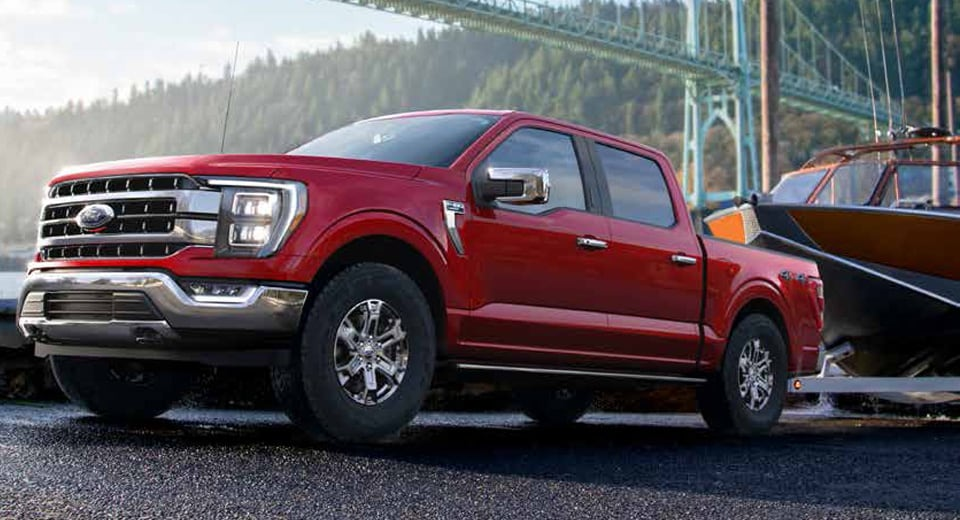
Towing on the open road is easy when the tow vehicle and trailer are well matched and set up, which also makes it easy to find yourself driving at the same speeds you would without a trailer. Bad move.
One aspect of towing that you must constantly be aware of is the dramatic difference in vehicle acceleration and stopping caused by the added weight of the trailer. For example, a full-size, four-door pickup going 60 mph (88 feet per second) typically stops in about 150 feet in an emergency braking situation on dry pavement.
Add a 4,500-pound trailer package to the equation and that distance can easily be 220 feet - a difference of 70 feet or 47 percent. If a vehicle stops suddenly in front of you or a deer enters the roadway, 70 feet will make a big difference in whether you can stop in time.
As a guide to safe speeds, apply the four-second towing rule--leave at least four seconds between your vehicle and the one ahead at whatever speed you're driving, when road conditions are good. Leave six seconds of distance when conditions are bad.
Acceleration is also affected by the additional weight of a trailer. It takes almost twice as long for a vehicle towing a medium-size boat or tow hauler to accelerate from zero to 60 mph, or from 30 to 50 mph than it does without a tow.
Towing requires undivided driver attention. That means turn off the cell phone, quit fiddling with the navigation system and stereo, and do not be involved in any other activity other than concentrating on the road ahead and your immediate surroundings. You have to constantly be thinking a good half-mile ahead when towing any trailer.
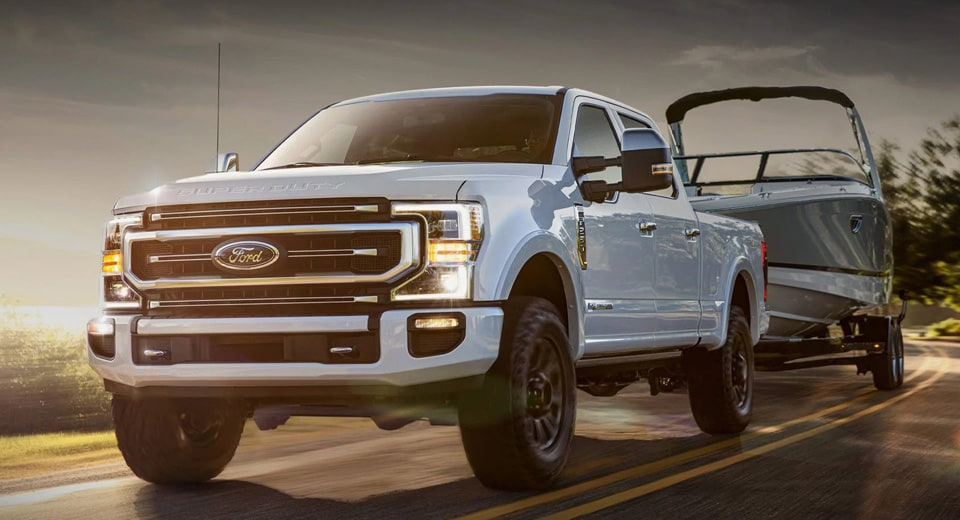
Towing Something Over Memorial Day Weekend? Visit The Borgman Service Center First!
When towing, safety is the number one priority. Before you hit the road to adventure this month, schedule an appointment with the Borgman Service Center and make sure your vehicle can bring you and your cargo there safely. Our team will make sure your engine, tires, brakes, and more are all in good shape, make sure your fluids are topped up, and ensure that your towing assemblies and systems are working properly.
If your vehicle needs any upgrades before you can safely tow something large like a camper, our team can help you with that too. We'll show you what parts are available and help you make informed decisions. We'll also install these parts to exact specifications, so you can tow without worry.
Schedule Your Appointment Online here and take a look at our latest Specials for savings on the services you need. Come see why we're the Best in the West!