
Blog / Service

Winter Care Car Tips

2019 Ford Snow

The cold weather can be hard on vehicles, especially when it lasts as long as it does here in West Michigan. With chilly temps and unpredictable weather for a few more months, it’s critical to know how to properly care for your vehicle before one of the usual winter mishaps occurs. Remember that typical setbacks in warmer weather could be detrimental to both your safety and the vehicle’s function in the frigid temps and winter weather. With safety and longevity in mind, below are a list of winter tips to keep your Ford or Mazda operating smoothly!

Schedule a Service Check

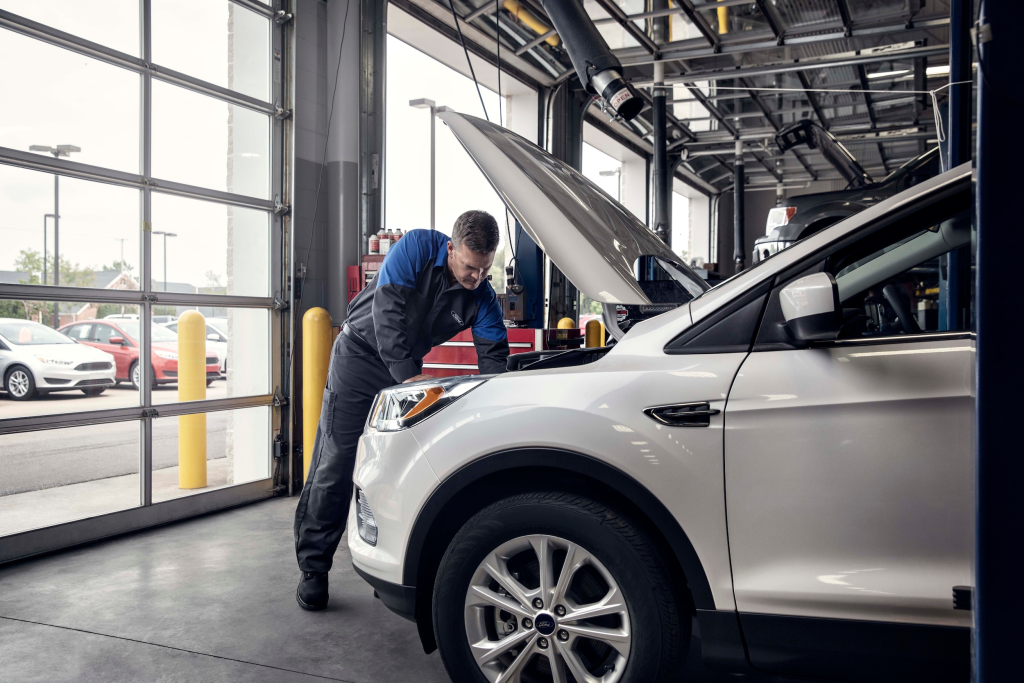
If you haven’t already done so, make sure you’re up to date on your vehicle’s regular service checks. Keeping the car at a healthy baseline is the best place to start! Borgman Service Center will ensure the basics are operating smoothly, and let you know if there are any concerns to look out for. 

Keep an Eye on your Battery

Sometimes a battery that’s getting old will run perfectly fine in the warmer weather, but the moment the cold hits—it takes a dive. A Borgman Service Specialist can tell you about your battery’s life during a checkup, but for optimum problem solving during unexpected battery failures, keep jumper cables or a power pack starter in your vehicle.  

Tire Check

If you don’t have winter tires or AWD, consider snagging a season-specific set to make sure you get in and out of wintery driveways and parking lots easily. If you’re good with what you have, ensure you’re monitoring tire pressure as the temperatures drop. For every 10 degrees in temperature outside, your tires may lose a pound of pressure. Keep an eye on them and keep them filled! 

Wiper Quality

It seems obvious, but often drivers don’t notice the shabby performance of vehicle wipers until the need is dire. Sleet, snow, rain, ice, and even leaf piles can funk with wiper performance - both immediately and over time. Try to clean the windshield as thoroughly as possible each time you drive to eliminate obstacles, but most importantly, ensure your blades are good to go during whatever weather may fall. To prevent wiper damage, lift them off the windshield if snow or ice is expected to keep the elements away! 
Winter Care

Fill De-icing Fluid

Since it’s winter in Michigan and the snow and ice is relentless once it starts, keep your wiper fluid filled up and possibly on hand at the house so you don’t run out. De-icing fluid is the best way to keep your windshield clear from ice and snow. Remember to never use hot water to clear ice or snow off of your windshield, as you’re risking a crack in the glass due to rapid surface temperature changes, which will lend you a far worse situation than you had before. 

Check Antifreeze 

A Borgman Service tuneup includes fluid checks, and your engine coolant should last you at least 5 years. If you haven’t been keeping up with normal service intervals, or you think it’s been over 5 years or 100,000 miles since your last flush, have us check out your coolant quality and level to ensure your engine runs smooth during the seasonal temperature shifts. 

Reduce Salt Exposure

Salt and grime can cause rush and damage to the exterior of a vehicle. The best ways to protect your car from road salt is to: 1) wash your vehicle as often and quickly as possible in the case of acid rain or heavy salt treatment, 2) rinse the underside of your vehicle to rid salt buildup during the winter, 3) repair paint chips or scratches to prevent corrosion, and 4) protect and condition the vehicle’s finish with a paint sealant or undercoat treatment. We partner with Great Lakes Chemical Auto Appearance Specialists, who offer a variety of details that can help you combat corrosion, including rim protection, bedliner spraying, electronic modules, and rustproofing — all which help reduce the impact of recurring salt exposure in the winter months. 

If you still haven’t completed a basic service check or have questions or concerns about any of the tips listed above, trust the experts at the Borgman Service Center. We'll make sure the work—both maintenance and prevention—are done right to keep you safe and moving efficiently during the winter months. Check out our Service Specials and Schedule Your Appointment online today. If you have any questions, our friendly and knowledgeable staff is here to help! Contact Us and come see why we're the Best in the West.
Posted in:

Related Posts

Winter Tire

Borgman How-To: Winter Tire Shopping Guide

The winter weather is right around the corner for West Michigan, so if you've been thinking about getting a set of winter tires for your vehicle (or better yet, gifting someone a set for the holidays,) visit the Borgman Service Center today! Our trained experts will be more than happy to explain the benefits of using winter tires and matching them with high-quality rims that match the aesthetic of your vehicle. more Read More However, we also believe that knowledge is power when it comes to the care of your vehicle. For our latest Borgman How-To, we've put together a Winter Tire Shopping Guide to help demystify some tire terminology, explain what all those letters, numbers, and symbols mean, and give you a better sense of what kind of tire best suits your needs. Why Buy Winter Tires for West Michigan? Last year we wrote an article that takes an in-depth look at what makes winter tires so effective. The combination of rubber that stays soft in sub-freezing temperatures, specialized tread pattern, and shape all play a role, but the overall cost savings and benefit of extra safety are undeniable. How Do I Choose Which Type of Winter Tire To Get? Typically, if you have a larger vehicle and do most of your driving on country roads, we'd recommend a non-studded winter tire. These don't have metal studs in them (which are illegal in Michigan) but have big treads that act like cleats and really grab into densely-packed snow. However, driving on cleared pavement with these will wear them down faster. For the typical driver in the Greater Grand Rapids Area, Borgman will recommend Performance Winter Tires. These look like regular tires, but the tread pattern has been specifically-designed to pack snow onto the tire and use it for extra grip. If this sounds strange, think of it like rolling a snowman - snow sticks to snow pretty well, especially if it's slightly wet. What Do All of Those Symbols and Numbers Mean In The Specs? When shopping for winter tires, you might notice a symbol of a mountain and a snowflake pop up in the literature or on the tires themselves. This means that the tire has passed a traction test, but doesn't mean that it's a winter tire. You may also see an "M+S" next to it, meaning that it has been formulated for moderate snowy conditions. The numbers and letters separated by slashes on the sidewall of the tire tell you what roles it's for and which size rim it needs. If this looks confusing, don't worry. The staff at Borgman will be more than happy to help you. For the curious, they note the following in this order: Tire Type: Usually this will read "P" for passenger vehicles, but some pickups and larger SUVs will have "LT" for light truck. Tire Width: This is the measurement if the tire width in millimeters from sidewall to sidewall. Ratio: This is the height of the tire, measured as a percentage of the tire width. Construction: This refers to how the layers of rubber make up the tire. "R" will mean radially and is the most common. Diameter: This is the full measurement of the "donut hole" part of the tire. Which Brand of Winter Tire Should I Go With? Borgman Service inventories a wide selection of quality winter tires from trusted name brands. This includes affordable options all the way up to more premium offerings. For the budget-conscious, our affordable winter tires will still outperform all-season tires in snow and offer a lower barrier to entry. The more money you're willing to spend, you can expect even better performance and in a wider range of conditions. The bottom line is to look at what's available within your price range and choose which ones fit the needs of your commute the best. This includes how often your street gets plowed, how many hills you drive up and down, and so on. Name brands will research and develop their own proprietary rubber compounds and tread patterns, each with their own merits. The best thing you can do while choosing is to sit down and look carefully at each of them and decide which tire best-addresses the road conditions you dislike driving in the most. If you're short on time, or aren't sure what you're looking at, the tire experts at Borgman can match you with a "good, better, best" selection for you to choose from. The Borgman Service team will also educate you about how best to care for your tires, including the best storage environment, why dedicating a set of rims to them yields the best longevity, and how to tell when it's time to swap them with your warm weather tires. If you're thinking about equipping your vehicle with winter tires, beat the rush and Schedule Your Appointment with the Borgman Service Center today! Be sure to check our latest Service Specials too, and feel free to Reach Out To Us with any questions. Come see why we're the the Best in the West!

Low visibility due to fog

Fog Can Be Fatal: Safety Tips for Driving in Low Visibility

The fall and winter seasons are rolling in as fast as the fog that looms your cold mornings and evenings in Michigan. The thick clouds of atmospheric moisture can restrict visibility significantly, lending to hazardous driving conditions if extra precautions aren’t taken. Weather.com reports fog-related accidents contributing to over 32,000 crashes, 500 deaths, and 11,500 injuries annually! At Borgman, we’re focused on family and safety. Read our tips below to ensure safe driving for everyone when the fog rolls in. more Read More Ensure your headlights are working well. Using your headlights properly is key. We suggest ditching the high-beams and sticking to the low-beams for better visibility. If you think your low-beams aren’t bright enough, roll into Borgman for a headlight replacement and upgrade for optimal safety. Use your windshield wipers and defrost. Moisture alone can create a major glare off of your windshield, and combine that with ice and you have almost no visibility between the fog and your windshield. Clearing off the glass is essential to increasing your safety. Not sure if your wipers are fit for the fall and winter? Take advantage of our current Borgman service special on performance wipers! Leave extra cushion in front of you, and don't feel pressured to go faster if there's a car behind you. Remember to put as much as your safety in your own hands as possible. That means taking extra precautions while driving, regardless of other people on the road. Fog significantly debilitates a driver’s ability to perceive distance, so the slower you go and the more space you leave in front of you to increase space for a slower reaction time, the better. Don’t use cruise control, and make sure you brake gently. Cruise control doesn’t allow you to have full control over your surrounding speed and may cause you to sneak up on objects that were unseen only a few feet before. On the same note as the previous tip, you want as much space as possible in front of and behind you without increasing speed. Avoid collisions in front of you by staying in control of your vehicle’s speed, and be kind to those behind you by braking slowly! Use the road lines as a guide. Look for solid lines on the right side of the road as a guideline for your driving. Don’t use the lights of any other vehicles in front of you, as that could lend to multiple accidents. Stay in control of your vehicle, drive slow, and pull over off of the road completely (and put your hazard lights on!) if you’re feeling uncomfortable. If you haven’t had a tune up this year, bring your vehicle into Borgman Ford Mazda for a brake, tire, headlight, and wiper check—all components that are critical to your safety during the foggy commutes ahead. Our highly qualified technicians are here to provide exceptional service in a timely manner. We are dedicated to keeping our customers safe and maintaining top tier customer service, for both new and pre-owned car buyers! Contact our Ford Service Center or Mazda Service Center to schedule your appointment!

Service Tune Up

What Does a "Tune Up" Mean Now?

Our vehicles are just like every other machine. After a certain amount of time cruising West Michigan, maintenance will be required to keep your vehicle running efficiently. All of this will, in turn, improve your vehicle’s overall performance and increase its longevity. But what exactly goes into vehicle maintenance and a “tune up”? What happens if you don’t do anything? Read on to find out, and trust the experts at the Borgman Service Center in Grand Rapids to keep you moving! more Read More What vehicle maintenance do I need to do regularly? The best way to check the maintenance needed for your vehicle is to pull out that owner’s manual. By confirming what maintenance needs to be done, you can avoid any unnecessary charges regarding services. The manual will also provide you with a recommended maintenance schedule that will benefit you in the long run in keeping your vehicle in tip top shape. Here are a few things you should do regular maintenance on and why it is crucial to do so. Oil - Scheduling regular oil changes is important in helping to maintain cooling components, engine lubrication, cleanliness of engine (removing of particles and sludge from engine wear), good gas mileage, and most importantly, the vehicle’s longevity. Air Filter - These should be replaced between every 15,000-30,000 miles. In doing so, that replacement will allow increased fuel efficiency, reduced emissions and prolonged engine life. An air filter replacement is an inexpensive, quick fix and also very easy to track for vehicles. See how to replace your air filter here. Transmission Flush - This often goes unnoticed until something serious happens with your transmission. A transmission flush is where the oil inside is removed and new oil is run through to remove any built up grime or sludge. This will also remove any unnecessary particles and debris while giving your vehicle fresh, clean fluid. If done properly, a transmission flush can be an excellent preventative maintenance procedure. Spark Plugs - While these little guys are manufactured to be very durable, it doesn’t mean they need to go untouched. Spark plugs are very important. Manufactures are finding that spark plugs don’t need maintenance until 30,000 to 100,000 miles, but there are consequences to not paying them enough attention. Bad spark plugs can cause an engine to misfire which can harm gas mileage and cause a meltdown of converter parts, an increase in cold starts during the winter, and an increase in voltage needed for the ignition system (will drain your battery). So to keep your vehicle from losing its spark, be sure to give those spark plugs some loving. Belts (Serpentine & Timing) - The purpose of your serpentine belt is to keep components moving correctly to avoid metal on metal collisions. If it needs to be replaced, the serpentine belt will make noise when revving your engine due to lack of tension. Worst case scenario, if not replaced, it could break while driving and cause a chain reaction of malfunctions. It is best to replace this belt between 60,000 to 100,000 miles. By doing so, this will give you a worry-free mindset while driving. Now the timing belt is a little different. It allows the operation of the engine's intake, compression, combustion, and exhaust strokes to synchronize in an efficient manner through valves and cylinder heads. It is extremely important to pay attention to this belt as it wears down over time. If it breaks, your engine will stop immediately, causing the cylinder heads to rub with the valves resulting in some hefty damage. Past “Tune Up” vs. Today’s “Tune Up” Before certain advancements in vehicle technology came about, the phrase “tune up” meant much more than we are used to hearing today. Here is what the original tune up consisted of: replacement of spark plugs, fuel filter, and air filter. The technician would also inspect the distributor cap, rotor and other points for wear (replacing if necessary). When all parts were replaced, they would then check all of the engine settings, including the adjustment of carburetor linkages, point gap and dwell, ignition timing, etc. This tune up could easily be a few hours depending on what vehicle you had. Tune ups have come a long way due to the developments in technology. Thanks to these enhancements, the only parts that are leftover to check on are the spark plugs and air filters. By replacing a clogged air filter, you can increase your vehicle’s acceleration by 11% – a significant improvement – according to the federal EPA and Department of Energy. However, that’s not all that is included in a tune up nowadays. Along with the replacement of spark plugs and air filters, your vehicle’s fuel, ignition and emissions systems will be tested to ensure that vacuum hoses, oxygen sensors and other important performance parts are all working properly. How do I know what tune ups I need and when? In today’s vehicle world, tune ups are often based on mileage. Following this general routine maintenance schedule will help you keep track of what you need and when. Every 3,000 miles: Replace oil Replace oil filter Inspect air filter – replace as needed Check and top off all fluids Check tire pressure (fill as needed) Every 7,500 miles: Replace wiper blades Every 15,000 miles: Replace fuel filter Replace cabin air filter Every 30,000 miles: Replace automatic transmission fluid Replace automatic transmission filter Flush cooling system Replace pcv valve (follow spark plug replacement interval) Replace spark plugs (doesn't include vehicles with platinum spark plugs) Fuel Injection and Carbon Clean Service Every 50,000 miles: Replace fluids for: Differentials Manual transmission Transfer case Power steering Brakes Every 60,000 miles: Replace pcv valve Replace spark plugs (includes vehicles with platinum spark plugs) Replace spark plug wires Replace timing belt (varies for each vehicle) At Borgman Ford Mazda our highly qualified technicians are here to provide exceptional service in a timely manner. From oil changes to transmission replacements and flushes, we are dedicated to maintaining top tier customer service, for both new and pre-owned car buyers! Allow our staff to demonstrate our commitment to excellence. Our Ford Service Center Manager is Kirt Schrotenboer. He can be reached at 616-249-8854. Our Mazda Service Center Manager is Brent Zaebst. He can be reached at 616-249-8860.