

Blog / Parts

Blog

All Parts News New Inventory Service Community Events Fleet Green Social People Pre-Owned Inventory Body Shop Finance
Ford vehicle in winter

Borgman Holiday Gift Ideas For West Michigan Ford Fans

We've already endured one snowstorm this season in West Michigan and more are surely on the way. Luckily, the Borgman Service Center is here to help keep you on the road all winter long. This month, the Borgman Service Center is showcasing some options available for the upcoming winter weather: genuine Ford accessories, professionally-installed rust protection, and smartphone-enabled remote start. These can make driving in our Michigan winter wonderland much easier, and are great gift ideas too! Read more about each below. more Read More Shop Genuine Ford Accessories at Borgman Ford Whether you're looking for something specific, such as all-weather floor mats or something for the warmer months like a roof-top tent system, Borgman Ford is your one-stop shop for genuine Ford parts and accessories! Our staff would be delighted to help you find the perfect gift for the Ford fan on your list, or make recommendations for upgrades that are tailored to their vehicle. Shop electronics like dashcams, lighting kits, or backseat screens for the kids, toolboxes and bedliners for trucks, or even tube step bars, Molle gear systems, and roof racks for outdoorsy types! We can also handle any required installation - so you know it's been performed safely and correctly. Rust & Corrosion Protection Borgman Ford maintains a relationship with Great Lakes Chemical in Grand Rapids, MI. They are our trusted partner for professionally-applied treatments and coatings such as Diamon-Crystal for windshields, paint protectors, rust proofing, and more. Many of our customers choose one or more of their services when they buy a vehicle from us, but it's not unheard of to have our service department handle it for you too. During the winter your vehicle's body panels, subframe, suspension components and more are exposed to rock salt and other ice-melting solutions. Road commissions use these to chemically melt ice on roadways, and completely necessary for ensuring they're as safe as possible. Salt mixes with the water in the ice to lower the freezing point, but it also makes the water more conductive. This faster transfer ions is what accelerates rusting, and it's even more pronounced in salt substitutes. The underside of your vehicle gets the worst of it, and runaway rust can cause problems in your suspension, exhaust, and even brake lines! Frequently visiting the car wash can help, but adding an extra layer of protection to your vehicle will lock out salt water, stave off costly repairs, and dramatically extend the life of your vehicle. The Borgman Service Center will be happy to handle the application of the latest in rust protection technology. We've teamed up with Great Lakes Chemical for this and other services. With their advanced process, there's no need to drill holes into parts of your vehicle to apply the treatment, and it will not interfere with your manufacturer's warranty. Using a specialized applicator, the technician will coat structural parts on the underside of your vehicle, as well as other areas that are prone to rust such as door sills. They will also "fog" the inside of your doors, quarter panels, trunk lid and seam, hood, and more. For more information and a quote, visit the Borgman Service Center. Ford Remote Start Systems The Borgman Service Center offers Ford's Remote Access kit and will be happy to install it on a compatible vehicle. This kit allows you to start your vehicle via your smartphone and includes other convenience features too, such as mobile alerts from the anti-theft system. To learn more and to see what solutions are available for your vehicle, visit the Borgman Service Center. Quality Service & Upgrades For Your Vehicle in West Michigan Whether you're thinking of adding upgrades to someone's vehicle as a holiday gift, or need a vehicle health checkup before winter hits, visit the Borgman Service Center in Grand Rapids, MI for affordable offers and unparalleled customer service. We’ll review which solutions are compatible with the intended vehicle and lay your options out for you but will never pressure you to buy. If you need a pre-winter check-up, our trained technicians will carefully inspect your vehicle's systems for cracked hoses, leaks, and other worn components - replacing them with the highest quality parts available at an affordable price. Visit our Service Center page and make your appointment online today. Come see why we're the Best in the West!

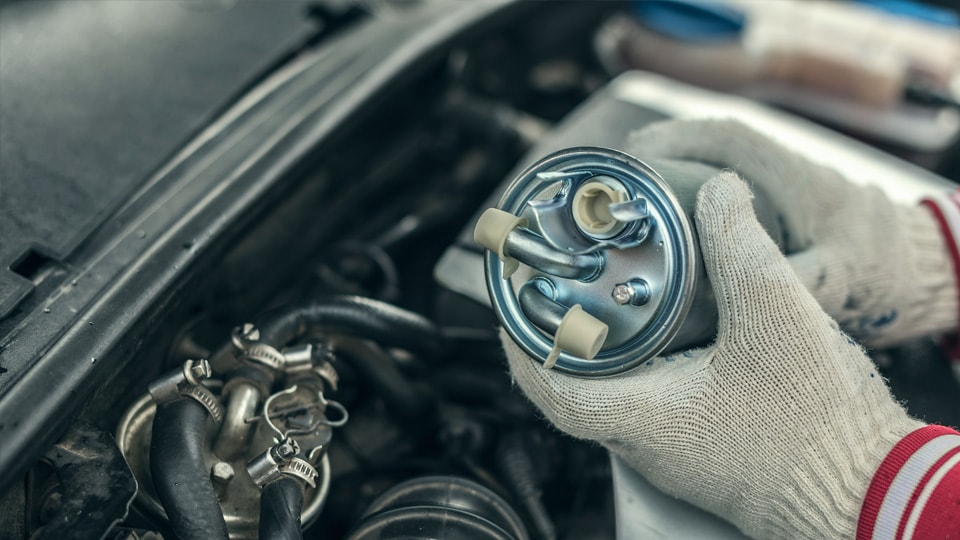
fuel filter

Sluggish Vehicle? You May Need A New Fuel Filter!

At the Borgman Service Center, we sometimes hear our Grand Rapids customers ask us about car myths out of concern for their vehicle. A common one is that you're not supposed to buy fuel while the delivery truck is refilling the gas station's supply tank. To put the matter to rest for our West Michigan readers, people think this is because it "stirs up sediment" that will end up in your engine. It simply isn't true. more Read More Your vehicle comes equipped with fuel filters to prevent dust, dirt, rust, sediments, and other impurities before they reach the engine. Today, there are also filters at the refinery, in the delivery truck, and in the gas pump itself, so the chances of this being an issue are near zero. However, like most other filters in your vehicle, fuel filters can compromise your engine when they fail. We'll explain how fuel filters work, where they're usually located, and when it's time to replace them. How Do Fuel Filters Work? What Are They Made Of? Like most filters, fuel filters consist of two parts: a cartridge, and media. In the case of fuel filters, the outside is usually a metal tube that's filled with special paper media or another synthetic, permeable membrane. When under pressure, the fuel is squeezed through these membranes (think high-tech coffee filter) which traps dust, dirt, sand, rust, pollen, or any other contaminants from the fuel before they enter the engine. It's also important to note that modern fuel contains detergents to dislodge anything too small to be caught by the fuel filters. Where Can I Find My Vehicle's Fuel Filters? Vehicles typically have two fuel filters. The first is more of a mesh screen and is attached directly to the fuel pump. While this makes it inaccessible, it does not typically need servicing for the life of the fuel pump. The second fuel filter is located on the main fuel line itself, and if you look beneath your vehicle you should be able to see it. We don't recommend attempting to replace it yourself* but if you suspect you have a fuel leak, this is a good place to check. Simply follow the lines from the gas tank along the bottom toward the engine. *Replacing fuel filters involves the risk of fire from spilled gasoline coming into contact with hot vehicle parts, fuel leaks while driving, and other potentially dangerous scenarios. Let the pros at the Borgman Service Center perform this task and save yourself the risks and frustrations. How Do You Know When Your Fuel Filter Needs To Be Replaced? Even without overt symptoms, we recommend replacing your fuel filter every two years or 30,000 miles, whichever comes first. However, many people only turn their attention to their fuel filters when there's an issue. This often results in costlier repairs. When your fuel filter needs replacing, there are usually some tell-tale signs. Here are some of them, but if you notice your vehicle acting strange and don't see the last time your fuel filter was replaced, schedule an appointment with the Borgman Service Center right away. Engine Feels Sluggish: This is the most tell-tale sign that your fuel filter needs replacing. It might be subtle at first, but you'll notice this when climbing hills, and then when starting from a complete stop. This is because your engine is running lean - without enough gasoline. Trouble Starting Your Vehicle: If you're having trouble starting your engine in the morning, but you hear the starter motor running at normal speed, you might not be getting enough fuel, like what we described above. Rough Idle or Stalling: This is a more progressed symptom of the first problem we've listed. Here, the problem is so severe that your engine behaves like you're pressing the throttle and releasing it, but at idle. If the engine gets too little fuel, it stalls out altogether - a dangerous (and embarrassing) situation on the road! Other Parts Failing: If your fuel filter is saturated with junk, your fuel pump has to work harder to deliver fuel to your engine. This causes the issues described above, but also will prematurely wear out your fuel pump - a costly repair. If enough pressure builds up in the fuel filter, it can allow contaminants through and clog fuel injectors too, which can present as a misfire. Vehicle Feeling Sluggish? Visit the Borgman Service Center! If you've been noticing that your vehicle doesn't quite have the pep that it used to, or if you're not sure when your fuel filter was last replaced, schedule an appointment with the Borgman Service Center! Our experts will check your vehicle for issues, and make recommendations based on our findings. However, if a repair is not critical, we will make this clear to you during your appointment so you can make informed, yet pragmatic decisions about your vehicle.?To get started, use our easy Online Scheduler to make your appointment, and then check out our latest Service Coupons for savings on the services you need. If you have any questions, feel free to Contact Us. Come see why we're the Best in the West!
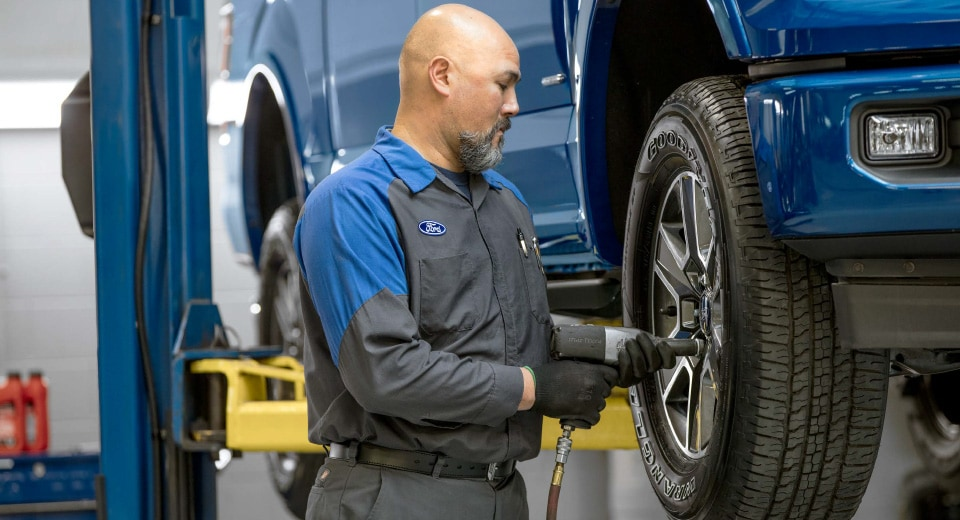
technicial

Why Rotating Your Tires Regularly Saves You Money and Keeps You Safe

We hope you're having an excellent summer and enjoying your travels across West Michigan! Maybe, you even have an adventure or two coming up! However, with all that driving, it's important that you don't neglect your tires - especially when it comes time to rotate them. It might seem like a small thing, but rotating your tires on schedule and keeping them properly inflated will pay dividends - especially if you do a lot of traveling. In this article, we'll explain how keeping your tires in good shape is simple and easy maintenance. We'll also explain how it not only makes your tires last much longer, it keeps you and others safer on the road. more Read More What Rotating Your Tires Means We've all heard the joke, "why do I need to rotate my tires? They rotate every time I drive!" While it's technically true, what a tire rotation actually means is the wheels are removed and placed on a different wheel hub. The rear tires are moved to the front and the front tires to their opposite side rear. This ensures that all four tires wear evenly, and increases the longevity of each. It's a fast and simple procedure, and if your vehicle is already on the lift, it makes sense to do it. Removing the wheels also gives our techs easy access to the brakes and hubs, potentially uncovering hidden issues. In most vehicles, the front tires receive far more wear than the back ones, mainly due to them being the driven wheels, bearing the weight of the engine, and because they're the tires negotiating turns. The tires on rear-wheel drive vehicles will wear differently because of this, but you should still rotate the tires on schedule. How Often Do I Need a Tire Rotation? We recommend rotating your tires every other oil change, but you should rotate newer tires more frequently than that. This is because the increased tread depth makes the tires more susceptible to uneven wear. We will make recommendations based on your service history, but most manufacturers recommend rotating them every 7,500 to 10,000 miles. What Happens If I Don't Rotate My Tires? Failing to rotate your tires, in the best-case scenario, means you're replacing them more frequently. While we always have great deals on tires at the Borgman Service Center, we recognize that tires are costly. However, the risks go beyond financial. Tires worn down unevenly can build up excess heat, which expands the air in the tire and can potentially cause it to "pop." You'll also notice poor performance in slippery conditions such as rain, snow, and ice. Also, if you have worn down thin spots on your tires, that makes it even easier for a nail or piece of glass to puncture the tire. You'll also be more susceptible to cracking and pitting, which lets air out gradually. What Role Does Proper Inflation Play In Tire Wear? Making sure your tires are properly inflated is just as important to their longevity. We recommend getting an inexpensive, digital-read air pressure gauge and checking your tires every other time you get fuel. This way, if one is losing air, you can catch it before driving on it for days or weeks, which can damage the tire permanently. Properly inflated tires wear more evenly, which as discussed above, ensures they last longer before wearing out. Your vehicle was designed around the tires maintaining a certain air pressure, so when the tires fall below that, some features may not work as well as intended. These could include but are not limited to curve assist, lane-keeping assist, braking assist, and vehicle stability systems / anti-skid features. Properly inflated tires also perform better on turns, in inclement weather, and even boost your fuel/battery economy! Get Complete Tire Care at the Borgman Service Center in Grand Rapids, MI Whether you're coming back from a summer of adventuring or are planning more, the Borgman Service Center has you covered. We'll make sure your tires, brakes, oil, and fluids are all where they should be before you set out on another adventure. Tire rotation is a fairly painless procedure if you're already in for an oil change, so if you can't remember the last time it was done, it's worth the extra few dollars. To get started, simply use our easy online scheduler and then check out our latest coupons. If you have any questions before your visit, feel free to Contact Us. Come see why we're still the Best in the West after 60 years in the Grand Rapids area!

2022 Towing Guide

Borgman Service Summer Towing Guide for Trailers and Campers

At Borgman, we know the West Michigan summer is best enjoyed with a boat, camper, ATV, dirt bikes, and more. While getting out of town and enjoying the warm weather is great, making sure you tow your trailer safely is important too. Take a look at our revised towing guide for a quick primer on what to do and not do, then head to the Borgman Service Center for a pre-vacation checkup or to have towing equipment installed! more Read More 2022 Towing Guide for West Michigan Adventurers Before Hitting The Road: If you're reading this in preparation for towing for the first time, it's worth visiting Borgman to ensure your vehicle is properly equipped. We will make recommendations about which parts will be necessary to tow your trailer or camper safely, then order the parts for you and install them as soon as possible. That way, your vehicle spends less time in the shop and more time out on the road, and you're towing with confidence. To see what parts are available for your vehicle and the current pricing, visit Accessories.Ford.com. Finally, even if your vehicle is properly equipped and you're a towing veteran, getting a quick checkup before setting out is critical for everyone's safety and prolonging the life of your vehicle. Take a look at our Service Specials and Schedule An Appointment today. Weight Distribution For the best braking and handling performance, your vehicle's load must be properly distributed - keeping the center of gravity as low as possible. Approximately 60% of the allowable cargo weight should be in the front half of the trailer, and the rest in the rear (consult limits of tongue load or king pin weight!) The load should be balanced from side to side too and must be firmly secured to prevent shifting during cornering or braking. Backing Up With A Trailer If you've never done this before, you might want to get some practice in before needing to do it "out in the wild." All you need to do is back up slowly, and have someone help you by standing behind the trailer guiding you in. Put one hand at bottom of the steering wheel and move it in the direction you want the trailer to go. Make small steering movements - the trailer will move more than you'd expect. Remember, you can always go forward to readjust or start over. Backing up a trailer can be tricky! Braking Remember, your vehicle is going to be heavier so it'll take longer to stop. Some Ford Vehicles equipped for towing will include electronic braking assistance for your vehicle and your trailer if it has brakes, but it's still good practice to drive more defensively. Allow more space between you and the vehicle in front of you to give yourself time to stop safely. If your trailer starts swaying, the easiest way to correct it is to gently speed up. If that's not helping and your vehicle is equipped with electric brakes and a brake controller, activate the trailer brakes with the brake controller by hand. Do not apply the tow vehicle's brakes as this can make things worse. Towing On Hills Downshift the transmission to assist braking when going down steep hills and to increase power (reduce lugging) when climbing hills. With the Ford TorqShift® transmission, simply select tow/haul mode to automatically eliminate unwanted gear search when going uphill and help control your vehicle speed when going downhill. Parking With A Trailer Whenever possible, vehicles with trailers should not be parked on a hill - even on a slight incline. If it can't be avoided, you can place wheel chocks under the trailer's wheels, following the instructions below: Apply the foot service brakes and hold Have another person place the wheel chocks under the trailer wheels on the downgrade side Once the chocks are in place, release the brake pedal, making sure the chocks will hold the vehicle and trailer Apply the parking brake Shift automatic transmission into park, or manual transmission into reverse With 4-wheel drive, make sure the transfer case is not in neutral (if applicable) Acceleration And Passing The added weight of the trailer can dramatically decrease the acceleration of the towing vehicle - exercise caution. When passing a slower vehicle, be sure to allow extra distance. Remember, the added length of the trailer must clear the other vehicle before you can pull back in. Signal and make your pass on level terrain with plenty of clearance. If necessary, downshift for improved acceleration. If you'd like to read our other, more expansive version of this guide, click here. Towing Something This Summer? Visit The Borgman Service Center First! Safety should be your number one priority when towing. While driving defensively and being more aware of your surroundings is critical, making sure your vehicle is ready and capable is equally important. The Borgman Service Center will ensure your engine, tires, brakes, and more are all in good condition, see that your fluids are topped up, and make sure your towing equipment is working properly. If your vehicle needs any new equipment or upgrades before towing something large like a camper, our team can help you with that as well. We'll help you make informed decisions, and install these parts to exact specifications. Schedule Your Appointment Online here and take a look at our latest Specials for savings on the services you need. Come see why we're the Best in the West!

Get Your Vehicle Ready For Summer Adventures

Save Fuel & Keep Your Vehicle Clean On Your Next Adventure in West Michigan

With summer officially arriving this month, it's time to think ahead on your upcoming West Michigan adventures! Whether that means spontaneous trips to the lakeshore, long weekends at a campground, or even a week up in the UP, there are easy things you can do to get your vehicle ready. Check out our quick summer adventure guide for tips on keeping your vehicle clean and saving money on gas! more Read More Tips For Keeping Your Vehicle Fresh and Clean One of the biggest challenges on summer road trips is keeping your vehicle interior free of sand and dirt, especially with kiddos in the back seat. We found a few neat tricks you can try out this season: Use a plastic, resealable cereal container as a wastebasket: Take the entire lid off, fit a plastic grocery bag over the container, and replace the lid. These often have a small, resealable opening on the lid to allow you to pour cereal without removing the whole top. You can use this opening as the "lid" of the trash can. You can store extra grocery bag "liners" at the bottom of the container too. Bring a laundry basket with you to the beach: The best way to keep sand out of your floor mats, upholstery, and everywhere else is to leave most of it at the beach. Once everyone changes back into street clothes, throw everything with sand on it into a plastic laundry basket and give it a good shake. Most of the sand will come out of the sides, and the mess will be contained until you arrive back home. See it in action here! Bring baby powder and a washtub for extra sand removal: Getting sand out of clothes is half the battle. Sand stuck to your skin will inevitably end up all over the place too. Use baby powder to absorb moisture on your skin and the sand will fall right off. You can also bring along a plastic washtub as a portable foot bath before getting in the vehicle! Invest in All-Weather Floor Mats: These aren't just for slushy snow! When you get home, you can easily pull these out of your vehicle and shake the sand, dirt, and debris right off. You can also get cargo liners made with the same material to go under that laundry basket of sandy clothes in the trunk! If you have a Ford or Mazda, Borgman provides mats that are tailor-made for your vehicle too. Mitigate that "lake water" or "wet dog" smell: When rolling the windows down isn't enough, you can make your own air fresheners that fit right in the cupholders! If you have extra candles around the house, another "summer car hack" we saw involves poking holes in the top of a mason jar with a hammer and a large nail, then putting chunks of leftover candle wax inside. After your vehicle heats up in the summer sun, the wax melts - filling your vehicle with a fresh scent. How To Maximize Your Fuel Efficiency With gasoline prices soaring, you might be wondering how to spend less on fuel for your trip. Some of the things you can do involve making sure your vehicle is running its best, but others are habits you can adopt to curb your fuel consumption on long trips. Make sure your tires are inflated to spec: Tires low on air will form more friction with the ground, meaning they require more force to turn. While on the surface this sounds like a good thing, it also has a negative impact on your handling and will, over time, damage your tires. Make sure your tires are inflated to the pressure marked on the driver's side door sill for optimal safety and fuel efficiency. Turn on your fuel economy display: For vehicles that have one, your current estimated miles-per-gallon display will show you how much fuel you're using from moment to moment. While it's important to keep your eyes on the road, having this info plainly visible at all times will help you see when you're using the most fuel. Valuable information if you're being fuel-conscious! Avoid "jackrabbit" starts and stops: Your vehicle uses the most fuel when moving from a stop. Getting up to speed gradually will consume less fuel than taking off like a rocket. On the flip side, allowing your vehicle to coast for a while before coming to a stop saves on fuel too. Slow down: If you plan your trip and allow enough time for travel, what's the rush? Once you go faster than about 70mph, your fuel economy will suffer. Try to keep a steady speed or better yet, set the cruise control. This feature gives your pedal foot a break on longer highway trips and saves fuel in the process. Just be sure to take on hills (up and down) manually for the best performance. Avoid "Fuel-Saving" Products: When you're on a mission to save fuel, you may see devices (or worse, fuel additives) that you can use to boost your mpg. The vast majority of these do absolutely nothing for fuel economy and could damage your vehicle, and the ones that do work only offer minimal savings. We're willing to bet the cost of these will not be offset by your actual fuel savings, so it's best to protect your vehicle and avoid them altogether. Get a "Pre-Flight Check" at the Borgman Service Center in Grand Rapids, MI While there are things you can do to ensure a successful summer trip, there are other things best left to the experts. The pros at the Borgman Service Center know exactly what to look for before you set out and will ensure your vehicle is in tip-top shape for the trip. For example, if you're looking to save on fuel, we can check to make sure your air intake and filter are clear, your fuel/air mixture is correct, and more. The EPA states that failed oxygen sensor can reduce your fuel efficiency by up to 40% or more, and we have the experience to detect issues like this as well. Need to make an appointment? Use our easy Online Scheduler to plan your visit, then head over to our Service Coupons for the latest offers and rebates. If you have any questions, feel free to Contact Us. We've been keeping West Michigan moving since 1960, and it'd be our pleasure to serve you. Come see why we're the Best in the West!
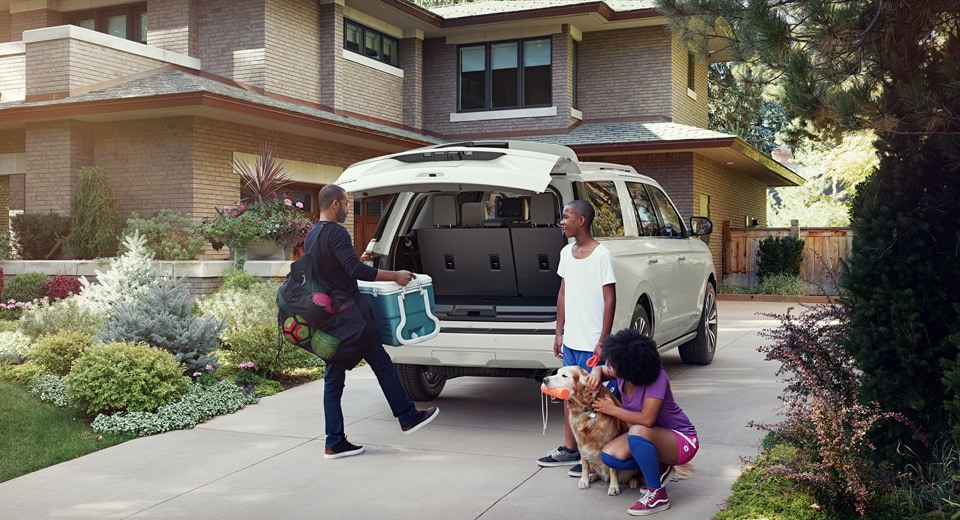
2022 Towing Guide

Oft-Overlooked Drive and Suspension Parts To Check Before a Road Trip

Did you know there are parts of your powertrain and suspension that are designed to be replaceable? Aside from the obvious ones like shocks and struts, there are a number of components that all work together to power the wheels, keep your vehicle stable, and keep your steering tight and predictable. These include your axles, tie rods, sway bar, and wheel hubs. If you plan on hitting the road in West Michigan this summer, it's worth having the Borgman Service Team look at these rugged but critical components first. more Read More We typically don't think about these parts until there's an issue, but they are all under stress every time you use your vehicle and they do eventually wear out. West Michigan drivers especially need to keep these parts in mind, as our roads are not as smooth as they are in other parts of the country. This will wear these parts out faster than the national averages you see online. Today, we'll discuss what your axles, tie rods, sway bars, and wheel hubs are, what they do, and when you should replace them at the Borgman Service Center. What Do Axles Do and When Do They Wear Out? Constant Velocity Axles and Joints, since the part performs both functions, have a relatively simple job. They transfer power in the form of rotation from the transmission to the wheels. Also known as CV Axles or Half Shafts, they consist of two solid metal couplers on either end with a rubber boot covering each joint. This keeps lubricating grease inside the joint while keeping dirt, water, and contaminants out. These joins allow the transmission to be positioned higher than the wheels and allow the axle to bend when the wheel travels over bumps or turns. CV Axles do not need to be replaced very often at all, in fact, it's far more common to replace them both when one starts to fail rather than on a schedule. Signs that your vehicle's axles are wearing out include seeing dark, sticky grease on the inside of your tires, and a scraping, clicking sound when you take tighter turns. However, the latter can also be caused by a failing wheel hub bearing (more on that later.) Your passenger side CV Axle is likely to wear out first since right turns are taken more sharply in the USA and are more common. If you're concerned that yours is wearing out, check the inside of that tire first. What Are Tie Rods? Why Do I Need Them Inspected? Just above your axles (in most cases) are your tie rods. Their job is to connect the wheel hubs to the steering system, which translates the turning motion of your steering wheel into a side-to-side motion - pulling on one and pushing the other. There are inner and outer tie rods, and the inner ones are covered in a protective rubber boot, much like an axle. Like the other parts mentioned here, they're very durable and don't have a strict maintenance schedule. However, when your tie rods fail, you'll be unable to steer. Signs that they are wearing out include "play" or vibrations in the steering wheel, excessive tire wear with sometimes bizarre patterns or sounds clunking while turning. One of the experts at the Borgman Service Center will be able to determine if it's time for a replacement. What Is A Sway Bar, What Does It Do? If you drive a smaller vehicle, chances are you don't even have a sway bar. Also called an anti-roll or roll bar, sway bars are rigid metal beams bent to whatever needed shape and are typically only found in larger vehicles like pickup trucks or cargo vans. These act as a spring or lever when under load, and they work to counteract centripetal force when making turns - ensuring all of the tires remain flat on the pavement. When sway bars begin to fail, you'll start to notice your vehicle getting more and more unstable when taking turns. You may also hear something clanging or rattling around in your engine bay. Generally, if you're experiencing steering or stability issues, this will be one of the first things that are inspected. When Do I Need To Replace Wheel Hubs & Bearings? What Do They Do? There are many different types of wheel hubs and bearings, but their primary jobs are the same: keep the wheels spinning smoothly. Wheel hubs are just that: a place for the suspension, brakes, axles, steering, and the wheel itself to all bolt together. In the center, between the threaded posts your wheel bolts onto, you'll see a spindle that connects to the axle. This part turns, which then turns the posts and the wheel, and the bearings keep this motion nice and smooth - reducing friction and noise. Nowadays, most wheel bearings are non-serviceable, meaning if your bearings wear out, the whole hub needs to be replaced. When your wheel bearings begin to fail, you may notice a grinding sound, or a sound akin to a ping-pong ball spinning around in a plastic cup coming from the wheels. As the situation worsens, your wheel will start to wobble when rotating, eventually falling off altogether. The easiest way to check if you need a new wheel hub is to raise the vehicle safely on jack stands, grab the top and bottom of a driven wheel, and see if you can shake it as hard as you can. If you're able to move the wheel around, you need new bearings. If there's barely any movement, you can also put the vehicle in neutral (make sure your non-drive wheels are chocked or the vehicle is completely raised) and spin the wheel. This lets you listen for odd sounds from the hub without the engine drowning them out. If you hear anything above a whisper, bring your vehicle in for an inspection at the Borgman Service Center. Enjoy the West Michigan Summer Worry-Free with the Borgman Service Center Before hitting the road to adventure this summer, Schedule an Appointment with the Borgman Service Center. Our team will ensure your vehicle is running in tip-top shape for the summer months or your next vacation. This is in addition to making sure you understand the work to be performed, and how critical the part is to the life and safety of your vehicle. To get started, use our easy Online Scheduler to make your appointment, then check out our latest Service Coupons. If you have any questions, please feel free to reach out. Come see why we're the Best in the West!

parked vehicle

Problems With Your Vehicle After Storage? Borgman Can Help!

Spring arrives this month in West Michigan, and some of us may be spending an upcoming weekend getting their summer vehicle out of storage. During this process, it's not uncommon to find things not working like they should, or even not working at all. The causes are as varied as the issues, but there are some common systems that can be affected while your vehicle is in storage. more Read More In this article, we'll cover some common issues you may see when taking your vehicle out of storage (or even just driving less over the winter,) things you can do to fix them, or what to look for that signal deeper issues beneath the hood. We'll even include a couple of tips for winterizing your vehicle for a hassle-free 2023 season! My Vehicle Doesn't Even Try To Start If you bring your vehicle out of winter storage and find it doesn't start at all, it is most likely the battery. Batteries and extreme temperatures do not mix, so the first step is disconnecting your battery and taking it to the Borgman Service Center for testing. In most cases, charging or replacing your battery fixes the issue. Next fall, we recommend disconnecting your battery, covering the posts with safety caps, and storing it somewhere warm for the winter. Make sure you take precautions against leaks and short circuits! My Vehicle Tries To Start, But Sputters and Stalls If you turn your ignition over and there's a lot of sputtering, stalling, uneven idling or stalling, there could be a number of causes. However, there are only three main things to look for: fuel, air flow, and spark. A disruption to any of these will cause misfires, rough idle, or the engine shutting off entirely. First, ask yourself if you put in fuel stabilizer when you stored the car last fall. If not, expired gasoline is likely the culprit. This one is easy enough to fix yourself. Get a bucket and a hand-siphon (both are very inexpensive) and remove the gas from the tank. Replace with fresh gasoline using an approved container and try again. If that doesn't work, check your air intake. It's not uncommon to find that critters have taken up residence inside the air filter over the winter, or even the tailpipe. This is also a good time to replace your engine and cabin air filter anyway. You an find these at the Borgman Parts counter. If you're handy, you can remove the spark plugs to make sure they're clear of carbon deposits and the wires are in good shape. We would be happy to check for you too if you have concerns. In the fall, many people storing vehicles will go around the vehicle looking for places rodents might hide like the tailpipe and air intake. Plugging these areas with steel wool works great, (just don't forget to take them out in the spring) and spreading moth balls under the vehicle adds an extra deterrent. I Have Warning Lights On My Dashboard, But The Parts Are Ok Usually when you see your dashboard light up like a Christmas tree in the spring, it's a sign that something has taken to chewing on your wiring harness. Take a look at the wires under the hood and see if you can spot any obvious damage, but this is likely something the Borgman Service Center will need to handle. Take a look above for tips on keeping little critters away from your vehicle. My Car Drives Lumpy If you've had your vehicle sit on one spot the whole winter, chances are your tires have developed a flat spot. In less severe cases, you can even these out by driving for a while on a warm day but usually it means they'll need to be replaced. Performance tires and low-profile tires are especially vulnerable. There are a couple of ways to mitigate this over the winter. The easiest is to simply park the vehicle on plywood (which also can protect your garage from drips - more on this below.) Make sure you chock the wheels in case the parking brake gives out, and once a month go in and either raise each wheel with a jack and spin the tire, or just push it into another position. Use chalk to mark what part of the tire was touching the floor. Another thing you could do is store the vehicle on jack stands all winter, but some argue this isn't great for the suspension and there's risk of injuring yourself or others. Coolant Leaked All Over The Garage If coolant leaked onto the floor, what likely happened is your coolant was too worn out to sustain colder temperatures and froze. When water freezes, it expands and this will crack hoses (which are already more brittle in the cold) or break the joins to the tank and radiator. If you're handy and have an attention to detail you can try fixing this yourself but the Borgman Service Center can help too. Next fall, make sure you take your vehicle in and have the coolant tested before storage. If it's not up to snuff, you'll need to get the system flushed before winter. Same goes for the transmission! Leaks can happen, especially if your vehicle is classic or vintage. That's why we also recommend putting a tarp down under the vehicle to prevent stains on the floor. Other Things You Can Do To Prepare Storing a vehicle for the winter is definitely doable on a budget - your biggest expense will likely be plywood for the tires. However, the best way to save time and money in the long run is to store the vehicle correctly. In addition to what we've already mentioned, here are some additional things you can do to make getting the vehicle out for spring easy: Change your oil before storage: Motor oil can build up contaminants that will soak into your engine parts over time. Getting an oil change right before putting it away will mitigate that risk. Be sure to check the oil level and color before running the engine in the spring! Wash thoroughly and use a car cover: Giving your vehicle some serious love before putting it away will pay dividends. Removing dirt, grime, and acids from the paint will ensure they don't soak in and ruin the finish during the winter. Adding a layer of wax will further protect the paint. Letting it completely dry and using a car cover keeps dust off while in storage too, so it's sparkling clean in the spring. Put moisture absorbers in the cabin Adding desiccants to the cabin will help keep that musty odor away in the spring. It's also better for your health too! Get Ready For Spring at the Borgman Service Center If you've taken your vehicle out for spring and found issues or just want a checkup, the Borgman Service Center is here to keep you moving. Use our easy Online Scheduler to set up your appointment, then check out our Service Coupons for big savings this spring. We service all makes and models, and it'd be our pleasure to help you get the most out of your vehicle this summer. Come see why we're the Best in the West!

Catalytic Converter

What Is A Catalytic Converter And Why Are People Stealing Them?

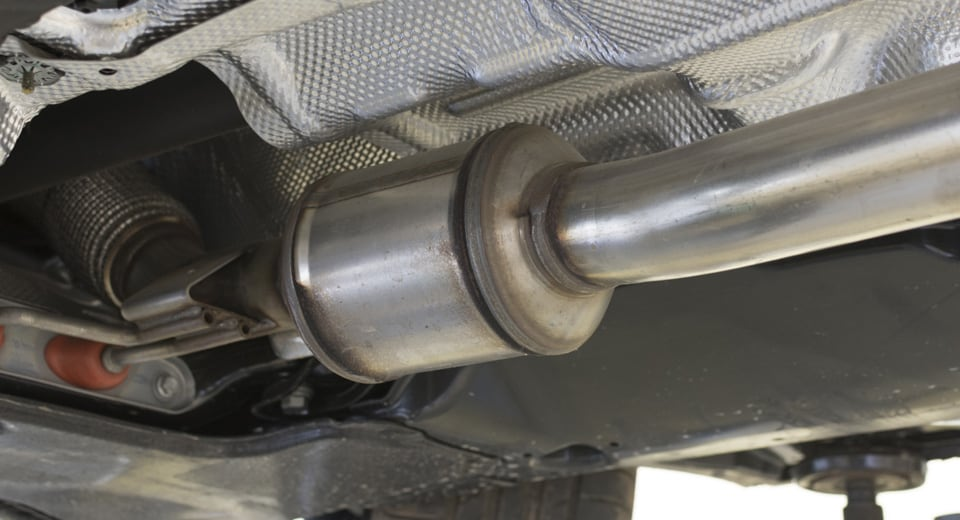
What Is A Catalytic Converter And Why Are People Stealing Them? During the pandemic, catalytic converter theft has unfortunately been on the rise. What makes them a prime target for these ne'er-do-wells are the precious metals inside, as well as their easy-to-access location on a vehicle. Catalytic converters are a part of the exhaust system, and their job is to convert harmful gasses into more inert gasses. We'll explain this more below. more Read More While Michigan does not enforce emissions testing like California and Texas do, the catalytic converter plays an important role in keeping West Michigan beautiful. If that doesn't convince you, driving without one is a noisy experience! Catalytic converter replacement is usually an expensive repair because they contain precious metals like platinum, rhodium, or palladium. The good news is if you have comprehensive auto insurance, catalytic converter theft is usually covered, minus your deductible. If you turned on your vehicle and it sounds like a motorcycle, the Borgman Service Team is here to help. How Do Catalytic Converters Work? Catalytic converters are essentially a tube filled with a ceramic "honeycomb." Exhaust from the engine enters at one end, passes through these chambers, and exits at the other end to the muffler. This honeycomb lattice is designed to expose the exhaust gasses to as much surface area as possible. This is because the ceramic is coated with two different catalysts (these are the metals that make this part so valuable.) The first catalyst strips oxygen off of harmful nitrogen oxides, creating harmless nitrogen and oxygen gasses. The second catalyst adds oxygen to carbon monoxide creating carbon dioxide. While catalytic converters are pretty good at their job, they don't remove everything and only work efficiently when they're hot. That's why it's important not to touch them after using your vehicle. If They're Easy To Remove, Why Are Catalytic Converters Such An Expensive Repair? It's mostly the part itself that drives the cost up. The metals we mentioned above are expensive even as raw materials, not to even mention the machinery and processes that go into making them into catalytic converters. With theft on the rise and supply chain interruptions, basic supply and demand drives this cost up further as more and more people need replacements. The inflated cost then makes them an even juicer target for thieves. The other reason this could be expensive is that thieves favor speed. Instead of carefully breaking welds or unbolting the part they're after, they often use electric saws to cut the part out. This leaves behind extensive damage to your exhaust system. Depending on how much was removed, you may need all new piping from the exhaust manifold down to the muffler, one or both oxygen sensors plus their wiring, and more. If Michigan Doesn't Have Emissions Testing, Why Do I Need A Catalytic Converter? Some states like California and Texas have mandatory emissions testing in an effort to reduce smog and pollution. Michigan does not have these requirements, however, every new vehicle sold here is compliant and that helps the whole country stay cleaner. As climate change worsens, catalytic converters have both been deemed essential and controversial. Transforming dangerous gasses like nitrogen oxides into their harmless ingredients is a function they perform well, but in older models, small amounts of nitrogen dioxide gas (NO 2) slip through. This is an even more potent greenhouse gas than carbon dioxide. Catalytic converters also make a vehicle produce their carbon dioxide all at once, rather than letting carbon monoxide pick up its extra atom slowly in nature. This being said, the gasses that catalytic converters remove are far worse for the environment and our air quality than the gasses they produce. They're an important part of every internal combustion engine and you should not use your vehicle without one. If that doesn't convince you, a missing catalytic converter makes your exhaust loud and all of those gasses seep into the cabin. This makes driving a noisy and smelly experience with serious health risks. If you're concerned about emissions, Borgman has a growing lineup of all-electric vehicles including the exciting Ford Mustang Mach-E! You can reserve yours here. Do You Have Any Tips For Preventing Catalytic Converter Theft? The unfortunate reality is that this is a crime of opportunity, and there are limited things you can do to prevent theft. SUV, Pickups, and Hybrids are especially vulnerable: trucks and SUVs because they're easy to crawl under and hybrids because of the higher concentrations of the valuable metals inside. Skilled thieves can remove a catalytic converter in mere minutes. Parking in well-lit areas can be helpful, as suspicious activity around your vehicle will be more visible. Another tip we've seen is to spray your catalytic converter with day-glow high-temperature paint (like the kind for barbecues and engines) and then scratching your VIN into the paint. The theory is that it makes your catalytic converter traceable and therefore less desirable. Most scrap yards document their incoming high-value parts and who brought them, but an unscrupulous scrap dealer likely won't. If you have concerns about catalytic converter theft, please feel free to Contact Our Service Department and we'll give you the best help and support we can. Noisy Exhaust? Trust The Experts at the Borgman Service Center Whether it happened gradually or suddenly, driving a noisy car can be an embarrassing and even smelly experience. If you suspect something is wrong with your muffler, catalytic converter, oxygen sensors, or anything else with your vehicle, Schedule An Appointment with us and we'd be happy to help. Be sure to check out the latest Service Coupons before your visit. Come see why we're the Best in the West!
air filter

When Was The Last Time You Replaced Your Vehicle's Air Filters?

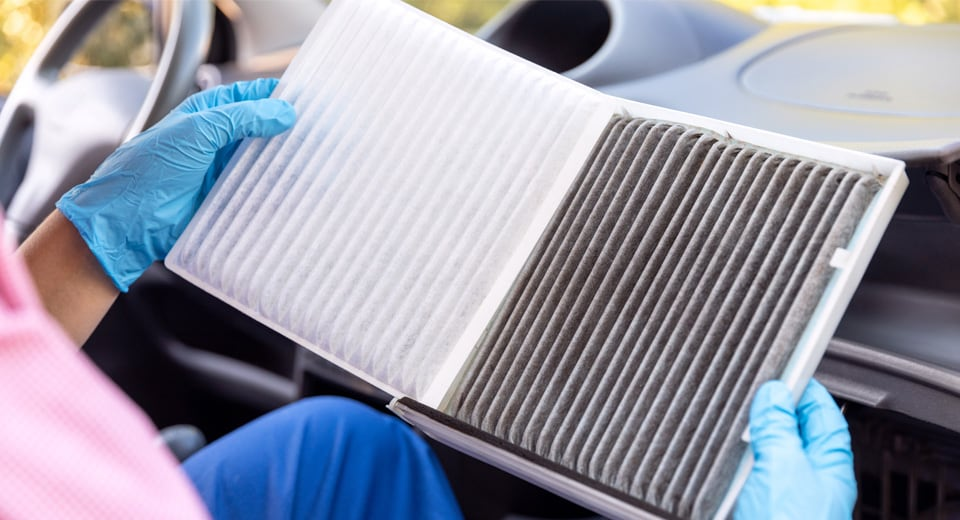
When was the last time you replaced your cabin air filter? With the recent haze that drifted over West Michigan from forest fires and hay fever season on the way, you may be inhaling pollutants and your vehicle may be working harder than it needs to be. Cabin Air Filters should be changed at least every 30,000 miles, but if you frequently drive in areas with a lot of pollution, you should change it sooner. The same goes for your engine air filter. If you have all of your regular maintenance done at Borgman, we keep track of these things and let you know when it's time. more Read More If you're just a tiny bit handy, both of these parts are easy enough to find and check. Cabin Air Filters are usually located behind your glove box, and the Engine Air Filter is right on top when you open the hood. Your manual will tell you exactly where they are, and what size you need. When you pull them out, most of the time it'll be pretty apparent if they need to be changed. However, if you're short on time or need help, Borgman is here to make sure you breathe easy this summer. What The Cabin Air Filter Does Your cabin air filter does exactly that - filters the air coming into your vehicle from outside. They're made of pleated material designed to trap incoming pollutants like dust, pollen, spores, and other particulates in the air and prevent them from entering the cabin when the heat or AC is on. When your filter starts to get clogged up with these pollutants, you might notice first that your vents don't blow as strong as they used to. Next, you might notice a musty smell, and then finally a whistling noise, as air is forced to find its way through gaps. Simply changing the filter will correct all of these issues at the source, but it may take some extra cleaning to get the musty smell out. If you're having trouble finding or replacing your cabin air filter, talk to the experts at Borgman - we'll have it replaced for you in no time. What The Engine Air Filter Does Just like how the Cabin Air Filter keeps airborne gunk out of your interior, the Engine Air Filter keeps the same things from getting inside your engine. These usually look like a bigger version of a Cabin Air Filter and are most commonly a cartridge style. However, some older or custom vehicles will have a drum style. Your engine needs three things to turn the wheels: fuel, spark, and fresh air. Just as your fuel filter removes any fine particulate, your air filter removes dirt, pollen, and other contaminants so they don't mix with fuel and coat your engine parts with carbon. If you don't have this filter changed, you'll notice your engine feeling sluggish and using more fuel to get moving. It makes sense when you think about it - try running a mile while holding your breath. Eventually, air will find its way in, carrying things the filter is supposed to be keeping out, and that means really expensive repairs. Borgman Service Center in Grand Rapids Helps You And Your Vehicle Breathe Easier If you're wondering when the last time your air filters were changed, give us a call at the Borgman Service Center. If you have us do all of your maintenance, we can check your file and let you know if you're overdue or not. If this is your first time with us, we'll take a look at both and make an honest recommendation. However, if you're in doubt, these are fairly inexpensive parts to replace. To get started, use our easy Online Scheduler to make your appointment, then check out our Service Specials for the latest discounts. We've been keeping West Michigan moving since 1960, and it'd be our pleasure to serve you. Come see why we're the Best in the West!
Towing

West Michigan Buyer's Guide for Towing Vehicles

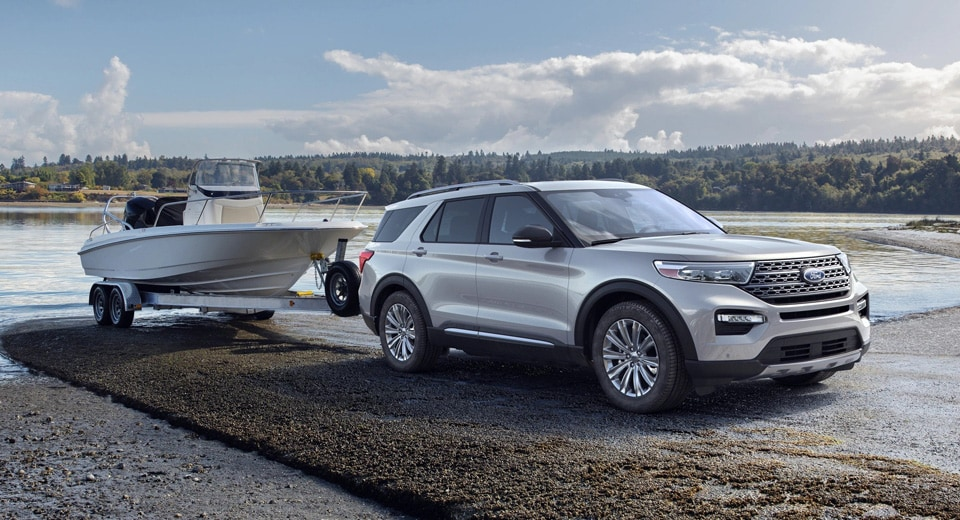
Memorial Day Weekend is just around the corner, and if you were thinking about celebrating the unofficial start of summer with a family road trip, Borgman is here to help. Many families tow boats or campers up north for the weekend, and if you wanted to join their ranks there are a couple of things you'll need to consider first: more Read More 1. How Heavy Is Your Trailer AND Your Load? 2. What Vehicle Will You Be Towing With? Of course, there is more to towing than these two points. If you've never towed a trailer or RV before (or need a refresher,) check out our latest Borgman How To for driving and safety tips. In this article, we'll talk about what to look for in a New or Pre-Owned Towing Vehicle or upgrades you can make to your existing vehicle. How Heavy Is Your Trailer? How heavy your trailer or RV is will determine which vehicle you should be on the lookout for, so it's worth figuring out what they weigh. Your trailer should have a curb weight marked on it somewhere or noted in the manual, and the same goes for your RV or camper. If you have a boat, it goes without saying that you'll add that to the weight of the trailer. The same goes for all of the gear in your camper: tools, grills, the weight of the full water tank if you have one, and all the other things that all add up. This is also a good time to make sure that the electronics and mechanical parts of the trailer still work. It's worth doing a "dry run" and checking that brake lights, turn signals, and marker lights are all working when hooked up to your vehicle. Also, it's worth going through hooking up the trailer to the vehicle so you know exactly what to do before you set out and identify any parts that need to be replaced. You can also check the trailer brakes now (if you have them) too. What To Look For In A Tow Vehicle Now that you know how much you need to tow, what kind of hitch you need, and if your wiring harness fits the trailer, now it's time to bring that information to Borgman. If you have an existing vehicle that can handle the load, adding extras (depending on the vehicle) like telescoping side mirrors, trailer cameras, upgraded hitches, and more can take some of the stress out of towing. Upgrading your axles and rear differential can possibly squeeze a few more pounds into your towing capacity, but it's best to have that discussion with us next to your vehicle, as this is a case-by-case situation. If you're browsing for a new towing vehicle for the summer season, you're coming armed with the knowledge of exactly what you need the vehicle to be capable of. In this situation, you have three options at Borgman right now. First, you can browse our New Ford Inventory, which may or may not have what you need because of the current nationwide vehicle shortage. Second, you can take a look at our Pre-Owned lot for late-model Ford Trucks and SUVs. There are plenty of good, solid towing vehicles in our selection and some serious deals to be had, so it's definitely worth your time to check. All of our Pre-Owned Vehicles come with our Free B-Protected Warranty, so you can shop worry-free. Lastly, if you're willing to wait, you can specify the exact vehicle you need and Borgman will order it for you straight from the factory. You'll be amazed at how many options and configurations there are to choose from, and the Borgman team is here to help you every step of the way. Since this option takes some extra time, we'll give you an extra $500 for your trade-in! (If you go this route, you need to get in touch with us by May 31st, 2021.) If you're looking for inspiration, take a look at this Towing Accessories Guide. Shop New, Used, and Custom-Ordered Ford Towing Vehicles at Borgman Ford in Grand Rapids! Check out these reasons to Buy From Borgman, review our Free B-Protected Warranty on All Used Vehicles, and Get In Touch With Us with any questions or to get started. Remember, if you see a better deal on a New Ford somewhere else, let us know and we'll match or beat the price! Come to see why we're the Best in the West!
shocks and struts

What's The Difference Between Shocks and Struts? When Do They Need To Be Replaced?

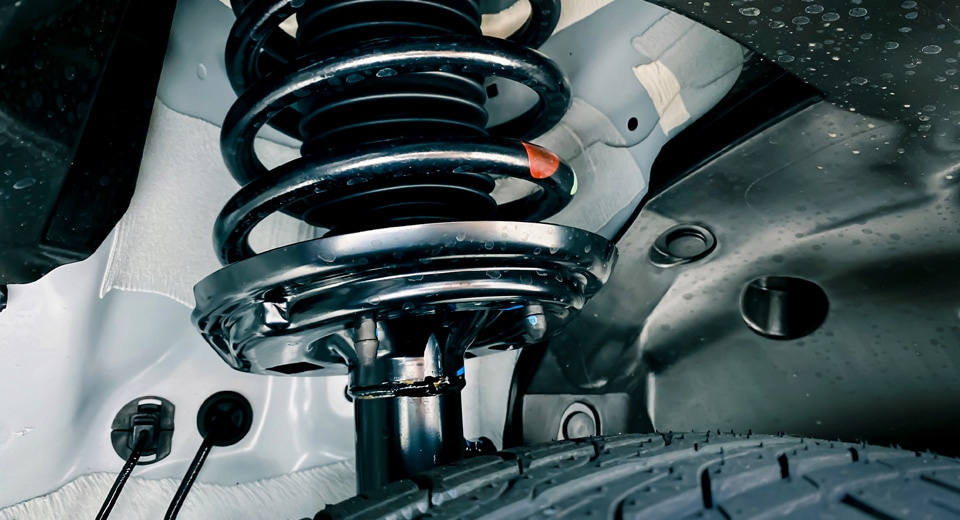
Spring has arrived in West Michigan, and many are looking to hit the road out of Grand Rapids for fun weekends of exploration and relaxation. Whether you're traveling down interstates or cross country, your shocks and struts make sure you don't feel every single bump in the road, and even play a role in ensuring your vehicle doesn't damage itself. more Read More Like many other moving parts on your vehicle, shocks and struts have a lifespan and will eventually need to be replaced. In this article, we'll explain the difference between shocks and struts, what they do, and when it's time to have them replaced at the Borgman Service Center. What Are Shocks and Struts, and What's The Difference? Both shocks and struts essentially do the same thing: absorb sudden movements created by bumps in the road. Where they are different is that a strut is a structural part of your suspension, and a shock is not. Shock Absorbers or shocks are simple pistons with hydraulic fluid inside. When the wheel hits a bump, the fluid inside compresses through a small hole into another chamber, which takes the jarring, sudden movement and smooths it out. The excess energy converts to heat and radiates out into the atmosphere. When the wheel returns to its normal position, the oil is drawn back into the first chamber, smoothing out this movement too. McPherson struts, coil-over springs, or simply "struts" are different in that they actually hold your vehicle up off the ground. Struts are also usually where your alignment is set, so they have a hand in your steering system too. Struts are typically found on the front wheels of vehicles for this reason. They are structural parts, and apart from their inner beam and huge spring, contain a replaceable shock cartridge so that when it wears out, you don't have to replace the full assembly. When Do I Need To Replace My Shocks or Struts? Generally, you'll need new shocks and strut cartridges every 50,000 miles or so, depending on how often you're driving on dirt or poorly maintained roads. The first thing you may notice is your ride is getting a lot bumpier, but if this is gradual you may not. However, when struts are nearing the end of their life, the symptoms can be more pronounced. You may feel your vehicle nose-dive when you brake or lift-off when you start moving. You may also find that it feels like driving a bowl of jelly when you exit the highway down a looped ramp. Another sign that something is amiss are uneven wear patterns on your tires. The Borgman Team is good at spotting these during a tire rotation, and if we see it we'll let you know. Though this tip is something that's really only practical on passenger cars, you can push down on the fender above a strut and see if the car "bounces" when you release it. Healthy struts will raise the car to its normal position and stop. Worn struts will allow the car to travel more. Need New Shocks or Struts? Trust the Borgman Service Center in Grand Rapids! If you've been noticing your vehicle handling strangely, making new noises, or just bumpier than normal, then head over to the Borgman Service Center today. We'll make sure your vehicle is in tip-top shape for your spring wanderings around West Michigan. Our friendly and highly knowledgeable staff is here to make sure you understand everything in your vehicle health report, and the function of the parts we need to replace. If you ever have any questions, we're here to help. Check out our latest Service Coupons, then Schedule Your Appointment Online. Come see why we're the Best in the West!
Pot Hole

How To Survive the West Michigan Pothole Season

It's that time of year again: as the winter weather in West Michigan gives way to an early spring freeze-thaw cycle, potholes will start to appear en-masse across Grand Rapids motorways. Seasoned drivers may get very adept at spotting them and avoiding them - especially if they travel the same route every day - but hitting one is inevitable. The Borgman Service Center is here to help with some tips to avoid damaging your wheels or suspension should driving through one be unavoidable. If your vehicle is damaged by a big one (or several small ones) we have the knowledge and experience to make the necessary repairs and get you back on the road. more Read more What Components Can Be Damaged by a Pot Hole? When your wheels strike a pothole, sometimes nothing happens. The tires will cushion the blow, and the suspension will absorb the worst of it - they're doing their job of keeping the vehicle stable and absorbing shock. However, if the force of the collision is stronger than these components can withstand, you may see cracks or pieces of the tire missing, dents or cracks in your rim, bent or broken suspension and steering components such as tie rods, control arms, shocks, or struts, or any other part that connects the wheels to your vehicle. After hitting a particularly nasty pothole, this list will give you an idea of what to watch out for if your vehicle "feels different" or if you suddenly find yourself with a flat tire. If you're unsure what to look for, trust the experts at Borgman to give your vehicle a thorough inspection for any hidden damage. Where Do Potholes Come From? Why Does West Michigan Have So Many? Potholes are like mini sinkholes that form when water seeps into cracks in asphalt and then freezes. Water is somewhat special that when it freezes it expands, and with a lot of force to boot. This forces the cracks in the road open wider, allowing more water to get beneath it and wash out the sand and gravel under the asphalt. Eventually, the road gives way and we're left with a pothole. West Michigan is especially prone to potholes because of the effect Lake Michigan has on our weather. Our spring seasons are usually punctuated with bouts of snow and rain, sometimes in the same day. This is the worst-case scenario for asphalt, leading to the dreaded pothole season West Michigan motorists wish they weren't accustomed to. The Best Way To Drive Through a Pothole Unfortunately, there are some instances where you see a pothole and can't safely move around it. Borgman suggests following MDOT's advice here: hit the brakes, then release them just before impact and drive straight through. Hitting a pothole on an angle will often do more damage to your vehicle, as force gets transferred in ways your suspension can't compensate for, or your tires can't spread out the impact from. The Michigan Department of Transportation also recommends that if you see a nasty pothole, the best thing you can do to help other motorists is to report it online. Hit a Pothole? Trust the Experts at the Borgman Service Center in Grand Rapids, MI If you've run over a pothole in West Michigan recently and you're noticing some new sounds or your vehicle is handling differently, Schedule an Inspection today at the Borgman Service Center. Our highly-trained and friendly staff will inspect your vehicle for signs of damage and will make honest recommendations based on what they find. We offer expert service for all of your other vehicle needs too, including oil changes, tire rotation, alignments, and more. It'd be our pleasure to serve you. Come see why we're the Best in the West!

Contact Us

Fill out this form below and we'll contact you shortly
*Required Fields