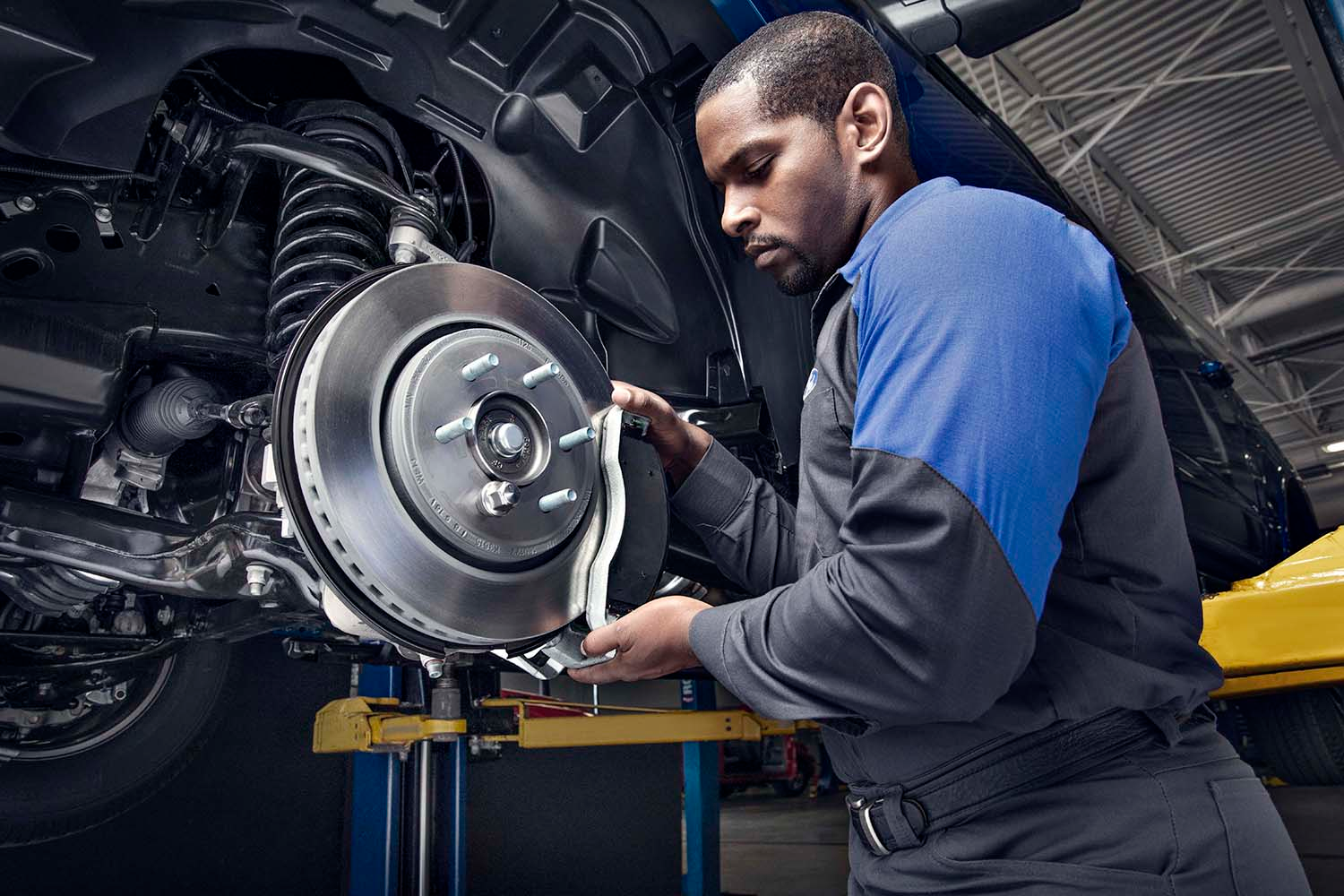
Get Ready To Hit The Road for Labor Day Weekend At Borgman Ford, we want to make sure that everyone taking off for the long Labor Day weekend has a safe trip across West Michigan. Whether your weekend plans are taking you up north or just across Grand Rapids, it's still a good idea to check out the health of your vehicle from time to time. If you are about to embark on a long trip, making sure that your vehicle runs like a top before setting out can ensure that you arrive on-time and safely. Below, we've included a handy 7-step guide from MyFordMag.com that shows some simple but important tips for checking out your vehicle and making sure you're prepared for anything on a long drive around Michigan. Here are the 7 tips: 1. Change your cabin air filter. It’s easy to forget all about your cabin air filter, especially on short jaunts around town. But when you’re on a road trip, stale air is hard to ignore. The air filter catches dust, pollen, and allergens that enter through the vents from the heating, ventilation and air-conditioning system, so after blasting the heat all winter, you might need to change it to keep the air cleaner. Check your owner’s manual to find out the recommended maintenance interval; your cabin air filter usually needs to be replaced every 15,000 miles or so, which is about twice as often as your engine filter. But if you suffer from allergies or respiratory problems, or if you frequently drive in dusty conditions, you may want to replace it more often. To change the filter, first check your manual to locate it (it’s often behind the glove compartment), then depress the inner plastic tabs to pop it out. Replace it with the appropriate Motorcraft® cabin air filter. Want to make it even easier? Our service center can change the filter for you. 2. Check your heating and cooling systems. Halfway into a road trip is pretty much the worst time to have your car overheat. Warmer months and long journeys require more coolant, because the engine’s constant power gives off a lot of heat, and using the air conditioner can put an extra load on the engine. So it’s very important to fill up your coolant before you head out. Under the hood, you’ll see the engine coolant reservoir, usually a translucent white container with a hose that connects to the radiator. There’s a fill indicator on the reservoir. If your engine is cold, the coolant level should be at the cold fill line. If you need to add fluid, make sure the engine and reservoir cap are cool to the touch. Before you twist off the cap, cover it with a thick cloth, as the cap is under pressure. Add either pre-diluted coolant or a 50-50 mix of the fluid and distilled water up to the cold fill line, and consider using the correct Motorcraft® coolant for the best results. Replace the cap—you should be all set with the coolant. But before you close the hood … 3. Fill up your other fluids. First, check your oil. Then top off your windshield wiper fluid to help clear the inevitable bug splatter buildup that comes with road trips. The reservoir is usually white and transparent and has a windshield/water symbol on the cap. Next check your power steering fluid, your transmission fluid (if you haven’t checked it for a while) and brake fluid. Low levels of brake fluid may mean you have worn-out brake pads and you should get them inspected at your dealer. Your owner’s manual will provide specific information about which fluids need to be replaced and when, based on your vehicle’s year, model and make. While you’re under the hood, look for anything odd: twisted hoses, leaks or corrosion on the battery. If everything looks good, go ahead and shut the hood now. 4. Inspect windshield wiper blades. Wiper blades take a beating during winter months when snow and low temps can degrade the rubber, so you may want to replace them before you start your trip. It’s easy to do yourself; just check your owner’s manual for instructions and blade sizes. Or even simpler: have the blades replaced at our service center. 5. Tend to your tires. Scenic overlooks should be for taking beautiful photos, not changing tires. To try to minimize hassle on your road trip, make sure you take care of your tires ahead of time. Fill them to the correct pressure. Rotate them every 8,000 to 10,000 miles, depending on the manufacturer’s recommendation, to ensure even tread wear. And look for each tire’s wear indicator: When it appears level with the tread, it’s time for a replacement. Use the Ford Service Tire Finder to get the right match. You can also go to the Borgman Service Center to get your wear indicators examined by one of our service technicians—and they can change your tires for you. Remember: While checking your tires, you also need to test the pressure on your spare tire. If your spare is secured underneath the vehicle, make sure you know how to remove it, and that the parts aren’t rusted or stuck—it’s way better to figure this stuff out ahead of time instead of when you actually need your spare. 6. Test the lights and mirrors. Safety is of the utmost importance on a road trip. Besides buckling up (yourself and all your passengers, of course), make sure your mirrors are moveable and in the right position. Set aside a few minutes before you leave to test your headlamps, high beams, turn signals, brake lights and hazard lights; do it with the help of a friend. Adjust headlamps to the proper height and angle to allow you to see the road better—and keep your lights from shining directly into other drivers’ eyes. If any parts are not working properly, you can check out FordParts.com or visit the Borgman Parts Center to find a new one. 7. Pack an emergency kit. Chances are, you already have some sort of an emergency kit stashed away somewhere in your vehicle. But do yourself a favor before you start your road trip: Track down the kit, open it up and take a quick inventory. Depending on how old it is, you may need to replace items or add to it. A comprehensive emergency kit should include jumper cables, work gloves, rags, a tire gauge, emergency blankets, a flashlight, flares, a spare ignition key, and basic tools such as screwdrivers and pliers. You could also add an extra headlamp as well as bottles of engine oil and coolant. For fall months and the wintertime, adding hand-warmer packets, a hat, and an extra pair of gloves and socks would be a good idea too. Tuck it all away in your trunk, and hopefully, you won’t have to dig it out again until just before your next road trip. Looking for a New Road Trip Vehicle in Grand Rapids, MI? If you're looking for a New Ford vehicle for cruising around West Michigan, stop by Borgman Ford in Grand Rapids today and check out our selection of New Ford vehicles. We have spacious, comfortable, and capable New Ford SUVs perfect for family getaways, as well as highly fuel-efficient options for those who travel all the time. If you have any concerns about your current vehicle, especially before going on a road trip, Contact the Borgman Service Center and take it in for a check up!