
Blog / News

Blog

All News New Inventory Service Community Events Fleet Green Parts Social People Pre-Owned Inventory Body Shop Finance
Vehicle in Winter Weather

Driving Tips For Safe Holiday Travel in West Michigan

West Michigan is already seeing regular snowfall, and early on in the season you're bound to see more traffic accidents than usual. Slippery conditions can appear out of nowhere too - one minute it's sunny and the roads are merely wet, then the temperature drops and the interstate turns into an ice rink. Worse yet, sudden lake-effect snow storms can impact your visibility and handling. Driving here in the winter means you need to be adaptable and patient. The good news is that by just internalizing some simple techniques you can become a winter driving pro. more Read More Below, we've gathered up some simple things you can do to keep you, your passengers, and other motorists safe. Some of these things are driving tips, others are things you can do outside of driving to improve your vehicle's performance and preparedness. Take a look below, and Schedule An Appointment with the Borgman Service Center in Grand Rapids for upgrades such as winter tires, or if you are noticing certain features like Anti-Lock Brakes not working properly. How To Prepare Your Vehicle For Winter Weather As Sun Tzu wrote, "Victory lies in preparation." Making sure your vehicle is ready before braving the winter elements is key to doing so safely. Thankfully, this is a relatively short list. First, know that when air gets cold, it contracts. This means that the air in your tires stays the same, but takes up less space, resulting in a lower air pressure. Check your tires' air pressure and make sure they're inflated to your vehicle's specification (it's usually listed on a sticker in your driver's side door well.) Now is an excellent time to check the condition and pressure of your spare tire too. Next, make sure you have plenty of windshield washer fluid. This has solvents in it that work to remove dirt and debris, and also lowers the freezing point of water. That means if you're having trouble seeing in a snowstorm, a quick spritz from your washers will clear away the snow and ice. While the hood is open, check your oil and other fluids. Does anything look low? Is the oil black instead of a dark honey color? Have you noticed squishy brakes or strange behavior from the transmission? Have you forgotten when your air filters have been changed? Is anything at all out of the ordinary? If you said yes to any of the above, Schedule an Appointment with us and we'll make sure your regular maintenance is current and all of your fluids are where they should be. Finally, make sure you at least put a blanket, hat, warm socks, gloves, and your roadside assistance information or tow truck phone number somewhere in your vehicle for emergencies. You can get as elaborate as you'd like with this, adding kitty litter (for extra traction), a rope (for helping someone pull you out of a ditch) fire starters, hand warmers, an emergency radio, a portable shelter, protein bars, etcetera. Winter Driving Basics Perhaps the most important lesson from high school physics to apply to winter driving (and also briefly mentioned in the intro of a certain children's science show) is the following phrase: "inertia is a property of matter. " That means, the bigger and heavier your vehicle is, the harder it will be to get it moving or slow it down. It's a practical example of Newton's First Law of Motion. When you brake, brake pads apply friction to your wheels by squeezing the rotor to stop them from spinning. This works in tandem with the friction between your tires and the road. Take away that extra friction, and the result is pretty simple: you slow down slower. Your wheels could stop, but your vehicle keeps moving as if it was on skis. If you have ABS (which nearly all vehicles now do) all you can do is keep your foot firmly on the brake and prepare to slide around obstacles if safe and possible. Another force that becomes more pronounced on slippery roads is centripetal force. This pushes objects away from the center of spinning motion. Put more simply, if you go to turn at higher speed and your tires don't have enough grip to fight centripetal force, you'll "under-steer" and only be able to turn half as much as you intended. If you really crank the steering wheel, your back wheels will do this instead and you'll spin, also called "over-steer." So how do you counteract all of these forces of motion on your vehicle? Thankfully, all you need to do is slow down. The less forward motion you build up, the less of it you'll need to compensate for, meaning less time to come to a stop and more predictable turns. Now that you know the cardinal rule, here are some simple winter driving tips that could get you out sticky situations. Please remember to always be aware of your surroundings and don't do anything that you're uncomfortable with, unfamiliar with, or could endanger you, your passengers, or other motorists. Count Vehicle Lengths: Have you ever seen those posts along the side of the highway? When the car in front of you passes one, start counting. If you're going 60mph, make sure you're giving yourself at least 15 seconds before you pass the same landmark. You can reduce this and use things like stoplights or mailboxes at lower speeds, but the key is to ensure you have time to react and fully stop if you need to. Climbing Hills: West Michigan has a lot of hills. When approaching one, you don't need speed; you need inertia. Build it up slowly as you approach so that when you start climbing up, the weight of your vehicle is what carries you up and you only need to cover the gas pedal to maintain that speed. Adding more gas could cause you to spin out on the way up, and once you stop, it's really difficult to get going again. Descending Hills: To descend a hill, the best course of action is to do nothing but steer straight. Keep your foot over the brake at the ready, but let your vehicle smoothly descend. If you must brake, do so gently. Braking hard can lock up your wheels and send you into a spin, or worse, cause someone behind you to panic or crash into you. After you're back on level ground, then gently brake more to slow yourself down. Make sure if someone is behind you to give them space to slow down too. Recovering From Skids: Unless you've been professionally trained to drive rally or track cars, there's not much a civilian driver can do if you end up in a wild skid. However, with these two concepts, you might be able to recover. First: look where you want to go. Your hands will automatically take care of the rest. Second: the gas pedal is only used for going forward. Third: tapping the brake will shift the weight of your vehicle towards the front. In front-wheel drive vehicles, these wheels are the ones you need to have traction, and since they're under the engine, throwing that extra weight forward will help you. Next, gently apply brakes and look (rule 1) to get the wheels pointed where you want to go. Once all clear, gently apply the gas to move forward. If you've completely lost control of your vehicle, keep your foot on the brake and turn your hazards on (if able) while doing your best to avoid obstacles. Aim for the side of the road away from other vehicles. Ending up in a snow-filled embankment is preferable to being an obstacle for other motorists to avoid. Navigating Steep Driveways Some people have long, steep driveways. If you drive a front-wheel drive vehicle and can't make it to the top, you might have better luck going up in reverse. Gravity is putting more weight on the drive wheels this way, which in some circumstances gives you more traction. This works pretty well on snow but less so on ice. Get Ready for Holiday Travels at the Borgman Service Center in Grand Rapids If you're planning a holiday trip across West Michigan, make your first step an appointment at the Borgman Service Center. Our highly-trained and friendly staff will make sure your vehicle is ready to brave the cold weather. We service all makes and models and are dedicated to keeping you moving. To get started, simply use our easy Online Scheduler to make your appointment, then check out our latest Service Coupons for big savings. If you have any questions, feel free to Contact Us or give us a call. Come see why we're still the Best in the West after over 60 years!
Vehicle in snow

What's The Difference Between All-Season and Winter Tires? Which Should I Choose?

West Michigan saw its first snowfall this month. Even though they were just morning flurries, more snow is certainly on the way. If you need new tires before the West Michigan winter weather arrives, don't delay: nationwide supply chain interruptions are going to make them more and more difficult to get. more Read More When shopping for tires this season, you have two viable options: All-Season Tires or Winter Tires. Both have their advantages and drawbacks, and what works for one person might not be worth it to another. To learn about their differences take a look below, or contact the Borgman Service Center to schedule an appointment! What Are The Advantages and Disadvantages of Winter Tires? Winter tires are specially-formulated to perform optimally at temperatures below freezing. Their special blend of rubber compounds keep them pliable and therefore "grippy" where normal tires would become stiff and even crack. The name of the game is creating friction, and to do that tires need to conform to as much of the road as possible, and to do that they need to be able to flex. Some winter tires have added silica and special tread patterns too. Silica crystal added to the rubber give these tires even more grip, like tiny cleats digging into the ice. Also, clever tread patterns trap snow on the middle of the tire and whisk away moisture from the sides. Snow sticks to snow, so by harnessing this you can get even more traction. However, driving on snow tires above a certain temperature will damage them, as they deform too much and can get bent out of shape. Therefore you will need to change them out for a "summer set" when the weather starts to warm up. You'll also need to store your winter and summer tires when they're not in use. What Are The Advantages and Disadvantages of All-Season Tires? All-season tires are the most common type you'll see out on the roads. These tires seek a compromise between warm and cold weather performance, utilizing specialized tread patterns and specific rubber compounds. A big advantage of all-season tires is the "fix it and forget it" property of them: you have them installed and only need to think about them when it's time to have them rotated. There's no storing another set in a shop or in your basement, and no worrying about damaging them if we get a random few days of warm weather. However, you know the old saying, "Jack of all trades; master of none." If you live on an icy hill or have a difficult driveway, you'll likely see the limit of their capability. You may also see them act a little "stickier" on really hot summer days. Which Of These Tires Are Right For Me? The Borgman Service Center has a wide selection of tires that will suit the vast majority of drivers in West Michigan. As to which tire is best for you, we can only recommend you look at the literature and weigh the strengths and weaknesses of each, also bearing in mind your budget. Of course, if you need help choosing your new tires, the friendly and courteous staff at the Borgman Service Center will be happy to oblige. We'll put together a brief list of tires that we feel will suit you, and answer any questions you may have. Get in touch with us or use our easy Online Scheduler to plan your visit. Be sure to check out our latest Service Coupons as well. Come see why even after 60 years, we're still the Best in the West!

Catalytic Converter

What Is A Catalytic Converter And Why Are People Stealing Them?

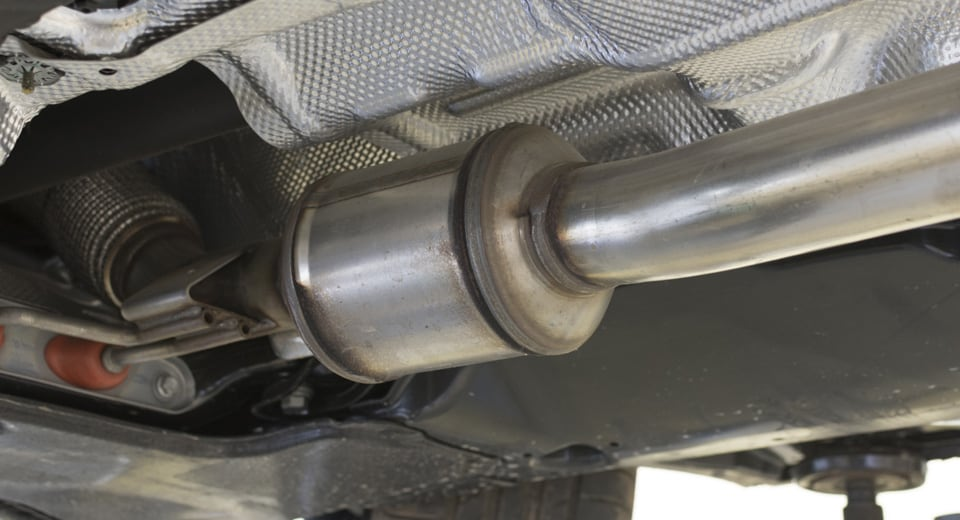
What Is A Catalytic Converter And Why Are People Stealing Them? During the pandemic, catalytic converter theft has unfortunately been on the rise. What makes them a prime target for these ne'er-do-wells are the precious metals inside, as well as their easy-to-access location on a vehicle. Catalytic converters are a part of the exhaust system, and their job is to convert harmful gasses into more inert gasses. We'll explain this more below. more Read More While Michigan does not enforce emissions testing like California and Texas do, the catalytic converter plays an important role in keeping West Michigan beautiful. If that doesn't convince you, driving without one is a noisy experience! Catalytic converter replacement is usually an expensive repair because they contain precious metals like platinum, rhodium, or palladium. The good news is if you have comprehensive auto insurance, catalytic converter theft is usually covered, minus your deductible. If you turned on your vehicle and it sounds like a motorcycle, the Borgman Service Team is here to help. How Do Catalytic Converters Work? Catalytic converters are essentially a tube filled with a ceramic "honeycomb." Exhaust from the engine enters at one end, passes through these chambers, and exits at the other end to the muffler. This honeycomb lattice is designed to expose the exhaust gasses to as much surface area as possible. This is because the ceramic is coated with two different catalysts (these are the metals that make this part so valuable.) The first catalyst strips oxygen off of harmful nitrogen oxides, creating harmless nitrogen and oxygen gasses. The second catalyst adds oxygen to carbon monoxide creating carbon dioxide. While catalytic converters are pretty good at their job, they don't remove everything and only work efficiently when they're hot. That's why it's important not to touch them after using your vehicle. If They're Easy To Remove, Why Are Catalytic Converters Such An Expensive Repair? It's mostly the part itself that drives the cost up. The metals we mentioned above are expensive even as raw materials, not to even mention the machinery and processes that go into making them into catalytic converters. With theft on the rise and supply chain interruptions, basic supply and demand drives this cost up further as more and more people need replacements. The inflated cost then makes them an even juicer target for thieves. The other reason this could be expensive is that thieves favor speed. Instead of carefully breaking welds or unbolting the part they're after, they often use electric saws to cut the part out. This leaves behind extensive damage to your exhaust system. Depending on how much was removed, you may need all new piping from the exhaust manifold down to the muffler, one or both oxygen sensors plus their wiring, and more. If Michigan Doesn't Have Emissions Testing, Why Do I Need A Catalytic Converter? Some states like California and Texas have mandatory emissions testing in an effort to reduce smog and pollution. Michigan does not have these requirements, however, every new vehicle sold here is compliant and that helps the whole country stay cleaner. As climate change worsens, catalytic converters have both been deemed essential and controversial. Transforming dangerous gasses like nitrogen oxides into their harmless ingredients is a function they perform well, but in older models, small amounts of nitrogen dioxide gas (NO 2) slip through. This is an even more potent greenhouse gas than carbon dioxide. Catalytic converters also make a vehicle produce their carbon dioxide all at once, rather than letting carbon monoxide pick up its extra atom slowly in nature. This being said, the gasses that catalytic converters remove are far worse for the environment and our air quality than the gasses they produce. They're an important part of every internal combustion engine and you should not use your vehicle without one. If that doesn't convince you, a missing catalytic converter makes your exhaust loud and all of those gasses seep into the cabin. This makes driving a noisy and smelly experience with serious health risks. If you're concerned about emissions, Borgman has a growing lineup of all-electric vehicles including the exciting Ford Mustang Mach-E! You can reserve yours here. Do You Have Any Tips For Preventing Catalytic Converter Theft? The unfortunate reality is that this is a crime of opportunity, and there are limited things you can do to prevent theft. SUV, Pickups, and Hybrids are especially vulnerable: trucks and SUVs because they're easy to crawl under and hybrids because of the higher concentrations of the valuable metals inside. Skilled thieves can remove a catalytic converter in mere minutes. Parking in well-lit areas can be helpful, as suspicious activity around your vehicle will be more visible. Another tip we've seen is to spray your catalytic converter with day-glow high-temperature paint (like the kind for barbecues and engines) and then scratching your VIN into the paint. The theory is that it makes your catalytic converter traceable and therefore less desirable. Most scrap yards document their incoming high-value parts and who brought them, but an unscrupulous scrap dealer likely won't. If you have concerns about catalytic converter theft, please feel free to Contact Our Service Department and we'll give you the best help and support we can. Noisy Exhaust? Trust The Experts at the Borgman Service Center Whether it happened gradually or suddenly, driving a noisy car can be an embarrassing and even smelly experience. If you suspect something is wrong with your muffler, catalytic converter, oxygen sensors, or anything else with your vehicle, Schedule An Appointment with us and we'd be happy to help. Be sure to check out the latest Service Coupons before your visit. Come see why we're the Best in the West!

Ford Vehicle

Check Your Anti-Lock Braking System Before The West Michigan Weather Changes

With Labor Day bringing about the unofficial end of summer, it's worth thinking about your vehicle's performance in wetter weather and even ice. A key component for keeping you safe in slippery conditions is your Anti-Lock Braking System, or ABS for short. If yours hasn't been checked in a while or worse, your ABS light has been on for months, beat the pre-winter crowd and visit Borgman Service today! more Read More As anyone who drove during the 70s will tell you, ABS was a miraculous invention. Instead of "pumping the brakes" during a skid, you simply hold the pedal down and a complex system of pressurized fluid does the rest. When it was first introduced, the goal was to mimic what a skilled driver would do when the wheels lock up under heavy braking. Now, the system performs all sorts of functions, including altering the front/rear brake bias, improving handling, improving vehicle stability, traction control, electronic brake-force distribution, and even emergency brake assist. In this article, we'll briefly describe how this system works, how often it needs service, and what to look out for if the system starts to fail. How Anti-Lock Braking Systems Work As Anti-Lock Braking Systems became more widespread and sophisticated, automakers found that they outperform even professional drivers. In brief, here's the problem that ABS solves: If the road is slippery and/or the wheel overcomes the friction of the road and starts spinning freely, you not only lose the ability to easily stop but your steering is impacted as well. In its most basic form, ABS course-corrects for both of these issues. Here's how it works. Within the ABS system, there are four main components: speed sensors, a pump, a controller, and a series of valves. As a wheel starts to "lock up," the speed sensors send a signal to the controller. This is the computer that orchestrates the ABS process. Then, the valves spring into action, allowing or restricting the flow of brake fluid to the four calipers. If pressure is let off but is again needed, the pump will pressurize the fluid. The computer will take in the variables from the speed sensors and use the valves and pump to return the four signals to the same value, meaning that the wheels are all spinning at the same speed. When the ABS is on, you'll feel a pulsing through the brake pedal. This comes from the valve's opening and closing action and just means that the ABS is doing its job. This is why it's important NOT to pump the brakes in slippery conditions, as the controller has to start over every time you release the pedal. What Happens If The ABS System Starts To Fail? If you notice screeching or grinding when you bring the vehicle to a stop, or you notice reduced brake performance or "shaking" when you slow down, your brake pads and rotors are likely the culprits. You'll still need to make an appointment at the Borgman Service Center, but your ABS system likely will not need service. If your ABS light comes on, this usually means that the controller has detected a faulty speed sensor, a fault within one of the valves, the pump, or a software issue within the controller itself. If it is blinking, that means that the system isn't functioning and needs service immediately. Hopefully, this is what alerts you to an issue, because the main symptom would be the wheels locking under heavy braking. This comes with limited steering and can be a dangerous situation if you're not expecting the fault. If you don't have leaks in your brake fluid lines, an ABS light usually comes on if you have a faulty speed sensor, which is not a difficult repair. Even if you have no problems, we recommend having the system looked over periodically to make sure there are no slow leaks or fraying wiring. Our certified technicians will also be able to detect any anomalies by looking at your vehicle's onboard diagnostics. Resolve ABS Issues at the Borgman Service Center in Grand Rapids, MI If you're seeing an ABS light come on, even periodically, or have other concerns about your vehicle's braking system, trust the experts at the Borgman Service Center to keep you moving. Our team has been helping West Michigan for decades, and we pride ourselves on outstanding customer service. During your appointment, our friendly and knowledgeable team will ensure that all of your questions are answered and that the work being done to your vehicle is explained in plain speech. To get started, use our Easy Online Scheduler to make your appointment, and don't forget to check out the latest Service Coupons. Come see why we're the Best in the West!

air filter

When Was The Last Time You Replaced Your Vehicle's Air Filters?

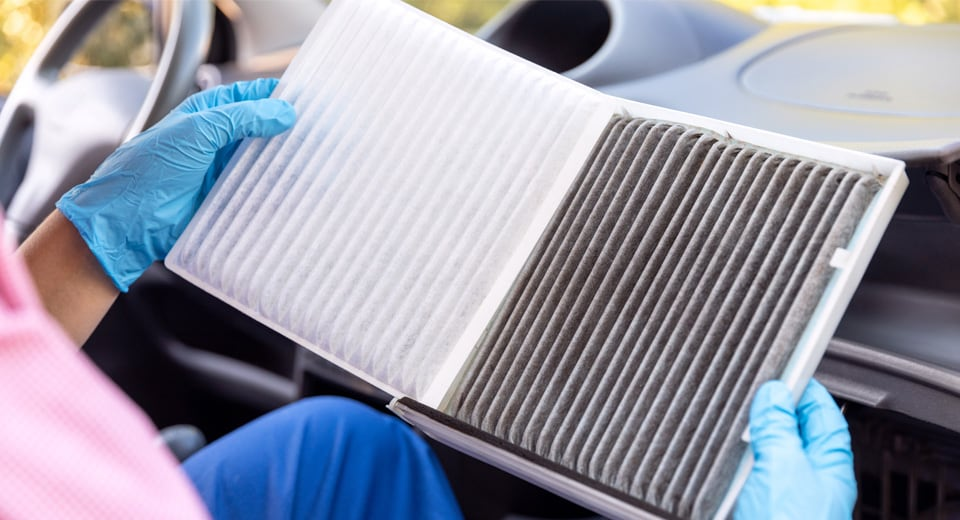
When was the last time you replaced your cabin air filter? With the recent haze that drifted over West Michigan from forest fires and hay fever season on the way, you may be inhaling pollutants and your vehicle may be working harder than it needs to be. Cabin Air Filters should be changed at least every 30,000 miles, but if you frequently drive in areas with a lot of pollution, you should change it sooner. The same goes for your engine air filter. If you have all of your regular maintenance done at Borgman, we keep track of these things and let you know when it's time. more Read More If you're just a tiny bit handy, both of these parts are easy enough to find and check. Cabin Air Filters are usually located behind your glove box, and the Engine Air Filter is right on top when you open the hood. Your manual will tell you exactly where they are, and what size you need. When you pull them out, most of the time it'll be pretty apparent if they need to be changed. However, if you're short on time or need help, Borgman is here to make sure you breathe easy this summer. What The Cabin Air Filter Does Your cabin air filter does exactly that - filters the air coming into your vehicle from outside. They're made of pleated material designed to trap incoming pollutants like dust, pollen, spores, and other particulates in the air and prevent them from entering the cabin when the heat or AC is on. When your filter starts to get clogged up with these pollutants, you might notice first that your vents don't blow as strong as they used to. Next, you might notice a musty smell, and then finally a whistling noise, as air is forced to find its way through gaps. Simply changing the filter will correct all of these issues at the source, but it may take some extra cleaning to get the musty smell out. If you're having trouble finding or replacing your cabin air filter, talk to the experts at Borgman - we'll have it replaced for you in no time. What The Engine Air Filter Does Just like how the Cabin Air Filter keeps airborne gunk out of your interior, the Engine Air Filter keeps the same things from getting inside your engine. These usually look like a bigger version of a Cabin Air Filter and are most commonly a cartridge style. However, some older or custom vehicles will have a drum style. Your engine needs three things to turn the wheels: fuel, spark, and fresh air. Just as your fuel filter removes any fine particulate, your air filter removes dirt, pollen, and other contaminants so they don't mix with fuel and coat your engine parts with carbon. If you don't have this filter changed, you'll notice your engine feeling sluggish and using more fuel to get moving. It makes sense when you think about it - try running a mile while holding your breath. Eventually, air will find its way in, carrying things the filter is supposed to be keeping out, and that means really expensive repairs. Borgman Service Center in Grand Rapids Helps You And Your Vehicle Breathe Easier If you're wondering when the last time your air filters were changed, give us a call at the Borgman Service Center. If you have us do all of your maintenance, we can check your file and let you know if you're overdue or not. If this is your first time with us, we'll take a look at both and make an honest recommendation. However, if you're in doubt, these are fairly inexpensive parts to replace. To get started, use our easy Online Scheduler to make your appointment, then check out our Service Specials for the latest discounts. We've been keeping West Michigan moving since 1960, and it'd be our pleasure to serve you. Come see why we're the Best in the West!

family and ford vehicle

Five Exciting Road Trip Destinations Across Michigan

Five Exciting Road Trip Destinations Across Michigan So you've had your oil changed, tires checked and rotated, battery tested, fluids topped off, and everything looked over on your vehicle. Now all that's left is to decide where to go. If you're chomping at the bit to get out of town for a weekend we've put together a list of some exciting destinations to go visit this summer. more Read More Whether you're traveling with a camper, a roof rack, mountain bikes, or just what will fit in the trunk, there's a place you'll enjoy. The best part is all the scenery along the way too. If having your vehicle checked by experts is still on your to-do list, Borgman is here to make sure you and your traveling companions get there safely. Use our easy Online Scheduler to make an appointment, then check out these fun destinations all over Michigan. Planning a long weekend? String some of these together for the ultimate Michigan road trip! Kirk Park: 40 Minute Drive from Grand Rapids Though 40 minutes down Lake Michigan Drive might not meet everyone's criteria for a road trip, we're including it anyway as it's a great spot to enjoy the big lake without trekking across the whole state. Located in West Olive near Hiawatha Forest, you're never far from civilization in case you forget the sunblock. Stretch out on the beach, take a dip in the lake, or explore woodland trails. Best of all, this is a great place for your dog to enjoy the beach too! The shorter travel time and dedicated off-leash areas ensure your furry pal will have lots of fun on this summer trip. Pere Marquette River: 75 Minute Drive from Grand Rapids Looking to just spend a day on a river? Head up north to the Pere Marquette River, flowing from the Baldwin, MI area all the way to the big lake at Ludington. Enjoy the views of the Huron Manistee National Forest as you float down on tubes or paddling a canoe. You can bring your own watercraft too like kayaks or rafts, but you will need to get a (very affordable) permit from Baldwin Canoe first. They'll even move your car for you so it's waiting downriver when you're done for the day! If you want to make your day trip an overnight affair, there are plenty of dedicated campgrounds along the river. Silver Lake Sand Dunes: 90 Minute Drive from Grand Rapids A relatively short distance from Grand Rapids, the Silver Lake Sand Dunes has plenty to do whether you plan to stay the day or stay the night. This 2,000-acre expanse of dunes separates Lake Michigan from Sand Lake, and the views are incredible. Hike the dunes on foot, or go on a buggy tour. You can rent an ORV to tackle the dunes yourself, or bring your own - the perfect playground for the Ford Bronco! Tahquamenon Falls: 5 Hour Drive from Grand Rapids Dwarfed only by Niagara Falls, Tahquamenon Falls are the second-largest falls east of the Mississippi River, with an average flow of 7,000 gallons per second up to 40,000 during peak season. The locals call them "Root Beer Falls," referring to the mesmerizing copper color of the water and the white foam as they come crashing down. Situated in the Northern Upper Peninsula, Tahquamenon Falls is one of Michigan's most beautiful natural destinations. Just a little west of Paradise, MI, the drive here is roughly 5 hours from Grand Rapids. Once here, there's ample parking at both the upper and lower falls. We recommend starting at the Upper Falls as this is where you'll find food, drinks, ice cream, gifts, and occasionally live music. Don't skip the lower falls though, here you'll find areas to wade into the water, take a boat tour, rent your own canoe, and more! For adventurous types, you can hike the scenic 9.6 mile out-and-back trail along the river to the upper falls, but be aware: this is a moderately difficult trail and we recommend bringing plenty of water and a first aid kit just in case. Consult with the staff here if you have any questions - they'll know best. If you're up for it, the hike is well worth the experience. Pictured Rocks National Lakeshore: 6 Hour Drive from Grand Rapids For true Michigan adventurers, the Pictured Rocks National Lakeshore is more than likely on their radar. An expansive stretch of rugged trails, cozy campgrounds, hidden beaches, and picturesque sandstone cliffs, this lakeshore is a hiker's dream. Lake Superior's raw power has shaped this stretch of coastline into a gorgeous work of art, and though it's along the northern edge of the U.P., it's not as long of a drive out here as you might think. If you have a roof rack, bring the kayaks along and take in the sights along the coastline or go on one of the boat tours, then stay the night at one of the many campgrounds throughout. The famous Au Sable Lighthouse lies at the northeastern end of the region too! However, camping here is a little spartan, so you may want to make arrangements if you need RV hookups or don't have experience treating your own drinking water. Don't let that deter you from experiencing some of Michigan's most breathtaking views, all it takes is a little planning! Get Your Vehicle Ready for Summer Fun in Michigan Staying up to date on your vehicle's maintenance is key to enjoying your summer trips without delays, so make sure your vehicle is ready for adventure at the Borgman Service Center! Our highly experienced team will go over every inch of your vehicle to make sure you spend your road trip enjoying the scenery and that everyone arrives safely. Use our Online Scheduler to make an appointment, then head over to our Specials Page for the latest service coupons. If you have questions about our services or about your vehicle, please feel free to Contact Us. Come see why Borgman is still the Best in the West after 60 years!

Keep Your Vehicle Working During Social Distancing

Why Order With Borgman to Stay Ahead of the Curve

Why Order With Borgman to Stay Ahead of the Curve We've kept West Michigan moving for more than 60 years now, and we're here to keep YOU moving despite the aftermath of the global pandemic and supply chain interruptions. If you want a new ride in 2021, our team of professionals will do everything in our power to get you exactly what you want, and exactly how you want it. We just need to work ahead on the "when." more Read More This article will update you on the shortage and give you tips for staying ahead of the curve by ordering the Ford you want and enlisting the help of our sales professionals to make the process easy. The BONUS is we'll give you an extra $1,000*! We'll also explain how our "love it" guarantee will allow you to skip the deal if you change your mind and decide to settle for something in stock. No strings – fully refundable deposits. What's not to love? Our Kingdom for a Chip! If you haven't been following the news, the automotive industry – including Ford – is suffering from inventory shipment delays largely due to a computer chip shortage that began earlier this year. Foundry companies that make computer chips had, while automotive sector demand was down, taken the sudden "excess capacity" on their chip lines and turned it elsewhere. Without the dedicated resources formerly available, automotive manufacturers found that they faced a supply chain shortage as demand began to surge. In Ford's case, this shortage is behind the temporary shuttering of the two F-150 and Bronco production lines. What Are My Options? We want to help you find your perfect vehicle as fast as possible, so there are a few options. Custom Order your vehicle. This is the best strategy because we'll help make sure you're staying ahead of the curve by covering you with our Love It Guarantee – releasing you from your order if you change your mind in favor of an in-stock vehicle that arrives in the meantime. We'll give you an extra $1,000 incentive*. All deposits are 100% refundable! Explore our selection of Late Model Pre-Owned Fords. We have grown our 12 acres of vehicles to become one of the largest pre-owned vehicle centers in Grand Rapids. Check out the hundreds of late-model options ready to roll! Advantages of Custom Ordering By custom ordering with Borgman, you get the chance to put all of our sales team's knowledge at your disposal to select the best, and most cost-effective, features on your vehicle. We'll work with you to help you specify your perfect trim level and options package. During the inventory shortage, we're also offering an extra $1,000* for all customers who custom order their vehicle. While we can't guarantee the arrival date of your new ride due to current manufacturing conditions, we figure the extra $1,000 will help you enjoy your wait time with some fine dining, Michigan Adventures, or other summer fun! Here are a few additional tips on custom ordering your next vehicle: Decide what you really want: The whole point of custom ordering a new car is to revel in a sense of personalization, so you need to figure out not only what color and trim level your vehicle will be but how you want it equipped. If you're shopping for Ford F-150, for example, there is a laundry list of options and trim levels to consider. Come to the lot for a tour of different features and options and test-drive similar vehicles to help develop your sense of priorities. Talk to our pros who know not only which options and trims are the most popular, but which ones retain their resale value! Once you've ordered your new ride: Our sales consultants will keep you up to date on the progress of your build. Have questions? Talk to us! *Excludes orders on Ford F-Series Super Duty Trucks, Ford Bronco Models, and Ford Transit Models.

ford vehicle towing

Replace or Service These Oft-Overlooked Components to Ensure Summer Fun

Replace or Service These Oft-Overlooked Components to Ensure Summer Fun Summer officially arrives later this month, but that hasn't stopped West Michiganders from hitting the road and enjoying the warm weather. Before you set out though, there are some things you should make sure are in good working order first. more Read More Today, we've decided to dive past obvious things you should check like your tires, air filters, and motor oil, favoring oft-overlooked systems that you may not necessarily think to inspect unless there's a problem. An ounce of prevention is worth a pound of cure, after all. Battery Auto batteries can "wilt" in the summer heat if they're getting on in years, but not usually all of a sudden. If you're having trouble getting your car started and it's been 4-5 years since you last replaced it, it's time for a new battery. If your battery is newer, it might just be corrosion on the terminals - an easy fix for the Borgman Service Team or even you if you're careful and handy with a wrench. Alternator Your battery provides the electricity to start your engine, and your alternator keeps it running. It does this by using power the engine's serpentine belt to turn a small generator, which produces electricity for the spark plugs. If there's no spark, your engine won't run. If your engine stalled and then you found that the battery was dead when you tried to restart it, this is the likely culprit. A worn-out alternator can leave you stranded, so it's worth having it checked every now and then. Spark Plugs & Wires Spark plugs and their wires are essential to engine operation. These are durable components, but they can wear out. Depending on your vehicle, they need to be replaced around every 60,000 miles or so - some varieties can live longer, others will need to be replaced more often. If you have an issue with your vehicle "running rich," which means that too much fuel is being injected into the cylinders, your plugs will be the first part to go when the issues start to compound. Air Conditioning System If your vehicle's air conditioner isn't blowing freezing cold air when it's all the way up, it may be time to have it serviced. This could be as simple as replacing the cabin air filter, it could also mean your compressor is on its way out or you have a refrigerant leak. Refrigerant leaks are an environmental hazard, so don't wait if you notice a drop in efficiency. Transmission Fluid Though manufacturers vary wildly on this number, Borgman has found that transmission fluid needs to be changed around every 30,000 miles for optimal vehicle health. Your automatic transmission is a very complex and sensitive piece of machinery, so any contaminants or improper level of fluid inside can lead to overheating issues or permanent damage. This is something you especially want to keep an eye on if you're going to be towing things like boats or campers all summer. Fuel Filter Sometimes dirt or contaminants get into the gasoline you buy. Luckily, all vehicles are equipped with a fuel filter to keep these things out of your lines. As is the case with all filters, they eventually will need replacing. We recommend having it changed every 60,000 miles or so, but a clogged filter could be the culprit (and easy fix) if you have problems getting your vehicle started, rough idle, struggling at low speeds, or stalling out. Complete Vehicle Maintenance & Repair at the Borgman Service Center in Grand Rapids, MI If you're planning all sorts of adventures this summer, it's worth having your vehicle looked over at Borgman before you set out. Catching worn components or aging fluids before heading out ensures that your weekend is full of fun. Our experts will go over your ride top to bottom and bring any relevant issues to your attention. We'll make sure you understand what the issue is so you can make an educated decision about your vehicle. Need to schedule an appointment? It's easy! Simply use our Online Scheduler Here, then head over to our Service Specials for coupons - saving you money on services you need. Come see why we're the Best in the West!

Towing

West Michigan Buyer's Guide for Towing Vehicles

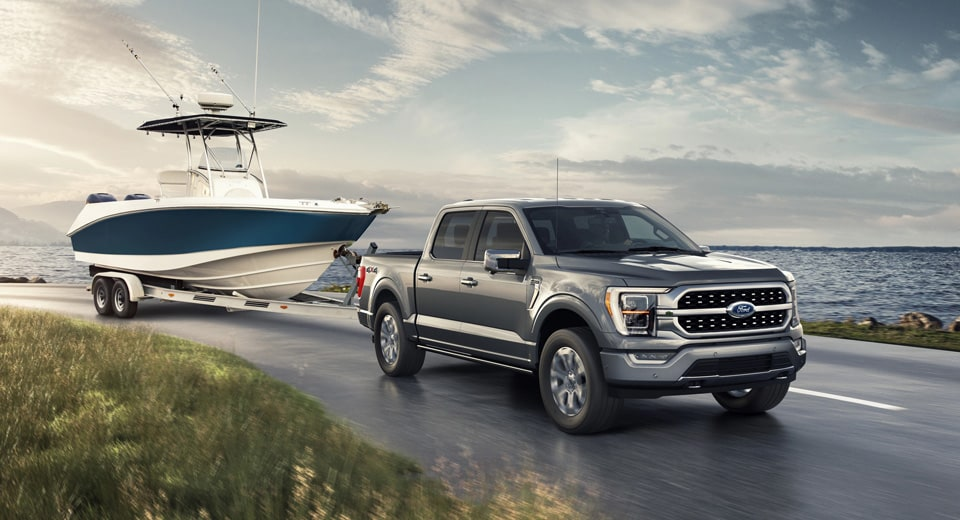
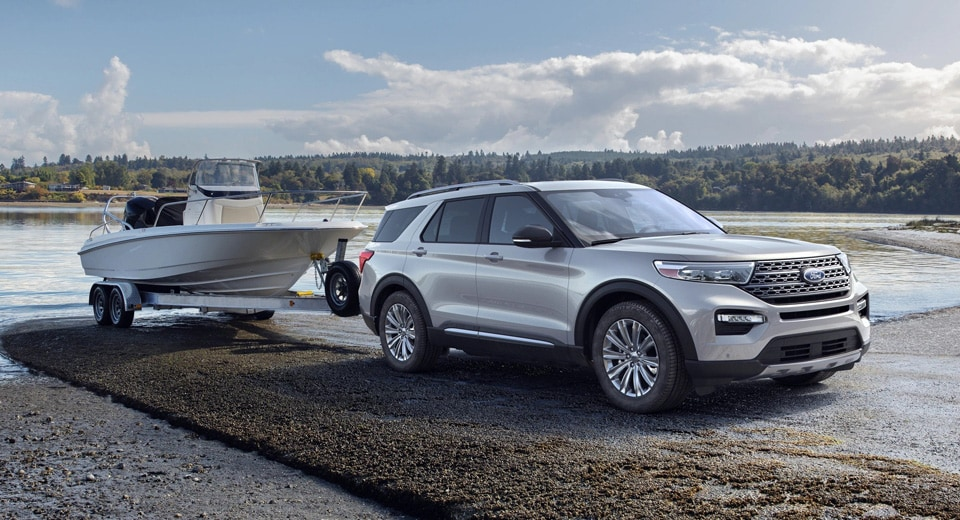
Memorial Day Weekend is just around the corner, and if you were thinking about celebrating the unofficial start of summer with a family road trip, Borgman is here to help. Many families tow boats or campers up north for the weekend, and if you wanted to join their ranks there are a couple of things you'll need to consider first: more Read More 1. How Heavy Is Your Trailer AND Your Load? 2. What Vehicle Will You Be Towing With? Of course, there is more to towing than these two points. If you've never towed a trailer or RV before (or need a refresher,) check out our latest Borgman How To for driving and safety tips. In this article, we'll talk about what to look for in a New or Pre-Owned Towing Vehicle or upgrades you can make to your existing vehicle. How Heavy Is Your Trailer? How heavy your trailer or RV is will determine which vehicle you should be on the lookout for, so it's worth figuring out what they weigh. Your trailer should have a curb weight marked on it somewhere or noted in the manual, and the same goes for your RV or camper. If you have a boat, it goes without saying that you'll add that to the weight of the trailer. The same goes for all of the gear in your camper: tools, grills, the weight of the full water tank if you have one, and all the other things that all add up. This is also a good time to make sure that the electronics and mechanical parts of the trailer still work. It's worth doing a "dry run" and checking that brake lights, turn signals, and marker lights are all working when hooked up to your vehicle. Also, it's worth going through hooking up the trailer to the vehicle so you know exactly what to do before you set out and identify any parts that need to be replaced. You can also check the trailer brakes now (if you have them) too. What To Look For In A Tow Vehicle Now that you know how much you need to tow, what kind of hitch you need, and if your wiring harness fits the trailer, now it's time to bring that information to Borgman. If you have an existing vehicle that can handle the load, adding extras (depending on the vehicle) like telescoping side mirrors, trailer cameras, upgraded hitches, and more can take some of the stress out of towing. Upgrading your axles and rear differential can possibly squeeze a few more pounds into your towing capacity, but it's best to have that discussion with us next to your vehicle, as this is a case-by-case situation. If you're browsing for a new towing vehicle for the summer season, you're coming armed with the knowledge of exactly what you need the vehicle to be capable of. In this situation, you have three options at Borgman right now. First, you can browse our New Ford Inventory, which may or may not have what you need because of the current nationwide vehicle shortage. Second, you can take a look at our Pre-Owned lot for late-model Ford Trucks and SUVs. There are plenty of good, solid towing vehicles in our selection and some serious deals to be had, so it's definitely worth your time to check. All of our Pre-Owned Vehicles come with our Free B-Protected Warranty, so you can shop worry-free. Lastly, if you're willing to wait, you can specify the exact vehicle you need and Borgman will order it for you straight from the factory. You'll be amazed at how many options and configurations there are to choose from, and the Borgman team is here to help you every step of the way. Since this option takes some extra time, we'll give you an extra $500 for your trade-in! (If you go this route, you need to get in touch with us by May 31st, 2021.) If you're looking for inspiration, take a look at this Towing Accessories Guide. Shop New, Used, and Custom-Ordered Ford Towing Vehicles at Borgman Ford in Grand Rapids! Check out these reasons to Buy From Borgman, review our Free B-Protected Warranty on All Used Vehicles, and Get In Touch With Us with any questions or to get started. Remember, if you see a better deal on a New Ford somewhere else, let us know and we'll match or beat the price! Come to see why we're the Best in the West!

Towing Trailer

Borgman How To: What To Know Before You Tow

Memorial Day Weekend is coming up, and that means lots of West Michiganders will be hitting the road with trailers, boats, campers, and more in tow behind their vehicles. Hitching up a trailer may seem simple enough, but there are a number of things you need to consider first, as well as some road rules that will keep you, your passengers, and other motorists safe. more Read More Make your Memorial Day memorable and escape to Michigan’s great outdoors. Whether you love boating, camping, or glamping, Ford Service will help you tow & go with our service specials. Towing Guide for West Michigan Vacationers Before we get started: If you're reading this in preparation for towing for the first time this spring, it's worth a visit to Borgman Ford first. If you need a vehicle for towing, our team will listen to your needs - namely what size and shape trailer or camper you're going to be hauling - and make sure you're presented with vehicles that are properly equipped for the task. If you want to make sure your vehicle is properly equipped, we can help with that too. Our Service Department will listen to your needs - same as our sales staff - and make recommendations about which parts will be necessary to tow your trailer or camper safely. We will then order the parts for you and install then as soon as possible, so your vehicle spends less time in the shop and more time out on adventures. To see what parts are available for your vehicle and current pricing, visit Accessories.Ford.com. Finally, if your vehicle is properly equipped and you've even towed before, getting a checkup before hitting the road is very important for everyone's safety and prolonging the life of your vehicle. Take a look at our Service Specials and Schedule An Appointment today using our easy, online scheduler. Cargo And Weight Distribution For optimum handling and braking, the load must be properly distributed Keep center of gravity low for best handling. Approximately 60% of the allowable cargo weight should be in the front half of the trailer and 40% in the rear (within limits of tongue load or king pin weight.) Load should be balanced from side to side to optimize handling and tire wear Load must be firmly secured to prevent shifting during cornering or braking, which could result in a sudden loss of control. Before Starting Before setting out on a trip, practice turning, stopping, and backing up your trailer in an area away from heavy traffic Know clearance required for trailer roof Check equipment (make a checklist.) Backing Up Back up slowly, with someone spotting near the rear of the trailer to guide you Place one hand at bottom of the steering wheel and move it in the direction you want the trailer to go Make small steering inputs – even slight movement of the steering wheel results in much greater movement in the rear of the trailer. Braking Allow considerably more distance for stopping with a trailer attached. Remember, the braking system of the tow vehicle is rated for operation at the GVWR, not GCWR If your tow vehicle is an F-150, F-Series Super Duty®, Transit or Expedition, and your trailer has electric brakes, the optional Integrated Trailer Brake Controller (TBC) assists in smooth and effective trailer braking by powering the trailer’s electric or electric-over-hydraulic brakes with proportional output based on the towing vehicle’s brake pressure If you are experiencing trailer sway and your vehicle is equipped with electric brakes and a brake controller, activate the trailer brakes with the brake controller by hand. Do not apply the tow vehicle brakes as this can result in increased sway. Turning When turning, be sure to swing wide enough to allow the trailer to avoid curbs and other obstructions. Towing On Hills Downshift the transmission to assist braking on steep downgrades and to increase power (reduce lugging) when climbing hills With TorqShift® transmission, select tow/haul mode to automatically eliminate unwanted gear search when going uphill and help control vehicle speed when going downhill. Parking With A Trailer Whenever possible, vehicles with trailers should not be parked on a grade. However, if it is necessary, place wheel chocks under the trailer’s wheels, following the instructions below. Apply the foot service brakes and hold Have another person place the wheel chocks under the trailer wheels on the downgrade side Once the chocks are in place, release the brake pedal, making sure the chocks will hold the vehicle and trailer Apply the parking brake Shift automatic transmission into park, or manual transmission into reverse With 4-wheel drive, make sure the transfer case is not in neutral (if applicable.) Starting Out Parked On A Grade Apply the foot service brake and hold Start the engine with the transmission in park (automatic) or neutral (manual) Shift the transmission into gear and release the parking brake Release the brake pedal and move the vehicle uphill to free the chocks Apply the brake pedal while another person retrieves the chocks. Acceleration And Passing The added weight of the trailer can dramatically decrease the acceleration of the towing vehicle – exercise caution. When passing a slower vehicle, be sure to allow extra distance. Remember, the added length of the trailer must clear the other vehicle before you can pull back in Signal and make your pass on level terrain with plenty of clearance If necessary, downshift for improved acceleration. Driving With An Automatic Overdrive Transmission With certain automatic overdrive transmissions, towing – especially in hilly areas – may cause excessive shifting between overdrive and the next lower gear. To eliminate this condition and achieve steadier performance, overdrive can be locked out (see vehicle owner’s manual) If excessive shifting does not occur, use overdrive to help enhance performance Overdrive may also be locked out to obtain engine braking on downgrades When available, select tow/haul mode to automatically eliminate unwanted gear search and help control vehicle speed when going downhill Driving With Cruise Control Turn off the cruise control with heavy loads or in hilly terrain. The cruise control may turn off automatically when you are towing on long, steep grades. Use caution while driving on wet roads and avoid using cruise control in rainy or winter weather conditions. Tire Pressure Under-inflated tires get hot and may fail, leading to possible loss of vehicle control Overinflated tires may wear unevenly and compromise traction and stopping capability Tires should be checked often for conformance to recommended cold inflation pressures. Spare Tire Use A conventional, identical full-size spare tire is required for trailer towing (mini, compact, and dissimilar full-size spare tires should not be used. Always replace the spare tire with a new road tire as soon as possible.) On The Road After about 50 miles, stop in a protected location and double-check: Trailer hitch attachment Lights and electrical connections Trailer wheel lug nuts for tightness Engine oil – check regularly throughout your trip. High Altitude Operation Your vehicle may have reduced performance when operating at high altitudes and when heavily loaded or towing a trailer. While driving at elevation, in order to match driving performance as perceived at sea level, reduce GVWs and GCWs by 2% per 1,000 ft. elevation. Powertrain/Frontal Area Considerations The charts in this Guide show the minimum powertrain needed to achieve acceptable towing performance for the listed GCW of tow vehicle and trailer Under certain conditions, however, (e.g., when the trailer has a large frontal area that adds substantial air drag or when trailering in hilly or mountainous terrain) it is wise to choose a vehicle with a higher rating. Towing performance is maximized with a low-drag, rounded front design trailer. Selecting A Trim Series Your specific vehicle’s tow capability could be reduced based on the weight of the selected trim series and option content. Note: For additional trailering information pertaining to your vehicle, refer to the vehicle owner’s manual. In most cases, hitch failure can be prevented by regular inspection and maintenance. These are maintenance tips for traditional hitches; hitch maintenance for 5th wheelers will be discussed in a future article. Available Towing Accessories Hitch Ball and Trailer Coupler The hitch ball and trailer coupler need high-temperature grease to avoid grinding. You can find that grease at any Camping World store, but make sure to check with an RV technical expert if you’re not sure what kind of grease to get or how to re-lubricate it. Sway Controls Those who have towed any sort of unit behind their vehicle are familiar with the necessity of sway control. By installing sway control bars, you’ll keep your travel trailer or camping trailer riding smoothly in line with your towing vehicle. Occasionally (once or twice per year), remove and clean the sway bar and make sure it’s fully tightened when re-installed. Ball Mount and Receiver Crouch down low and look for any sign of rust or bending, and remove and lubricate the sidebar sockets. Safety Chains Your last line of defense in case the towed unit comes off the hitch, the safety chains deserve attention. Inspect for any bent or cracked links that may cause failure. The Hitch White lithium grease on the ball repels water, dirt dust, and grime. It can also take a lot of heat. Hitch pin - Collar to end of the pin Wipe off grease when you’re done towing When it comes to trailer hitch maintenance, removing and replacing your hitch is recommended every spring. This is especially important if you left your hitch attached to your towing vehicle all winter long. This step will help you check that your hitch isn’t corroded into your hitch receiver. Naturally, your trailer hitch should have a minimal amount of play even when it’s secured into your hitch receiver. A lack of play can be too much stress on both the hitch and hitch receiver when you’re towing your rig. Addressing Exposed Metal If you find any exposed metal on the outside of your ball mount or hitch receiver, it’s a good idea to add a layer of powder-coated paint to cover it. Most of the best trailer hitches come with an exterior powder coating because it minimizes the accrual of rust and corrosion over the life of the hitch. When bare metal is exposed, rust and corrosion are much more likely to affect your trailer hitch. So make sure to paint over any exposed metal with rust-resistant paint if you want to keep your hitch free from rust moving forward. Basic Road Rules Towing on the open road is easy when the tow vehicle and trailer are well matched and set up, which also makes it easy to find yourself driving at the same speeds you would without a trailer. Bad move. One aspect of towing that you must constantly be aware of is the dramatic difference in vehicle acceleration and stopping caused by the added weight of the trailer. For example, a full-size, four-door pickup going 60 mph (88 feet per second) typically stops in about 150 feet in an emergency braking situation on dry pavement. Add a 4,500-pound trailer package to the equation and that distance can easily be 220 feet - a difference of 70 feet or 47 percent. If a vehicle stops suddenly in front of you or a deer enters the roadway, 70 feet will make a big difference in whether you can stop in time. As a guide to safe speeds, apply the four-second towing rule--leave at least four seconds between your vehicle and the one ahead at whatever speed you're driving, when road conditions are good. Leave six seconds of distance when conditions are bad. Acceleration is also affected by the additional weight of a trailer. It takes almost twice as long for a vehicle towing a medium-size boat or tow hauler to accelerate from zero to 60 mph, or from 30 to 50 mph than it does without a tow. Towing requires undivided driver attention. That means turn off the cell phone, quit fiddling with the navigation system and stereo, and do not be involved in any other activity other than concentrating on the road ahead and your immediate surroundings. You have to constantly be thinking a good half-mile ahead when towing any trailer. Towing Something Over Memorial Day Weekend? Visit The Borgman Service Center First! When towing, safety is the number one priority. Before you hit the road to adventure this month, schedule an appointment with the Borgman Service Center and make sure your vehicle can bring you and your cargo there safely. Our team will make sure your engine, tires, brakes, and more are all in good shape, make sure your fluids are topped up, and ensure that your towing assemblies and systems are working properly. If your vehicle needs any upgrades before you can safely tow something large like a camper, our team can help you with that too. We'll show you what parts are available and help you make informed decisions. We'll also install these parts to exact specifications, so you can tow without worry. Schedule Your Appointment Online here and take a look at our latest Specials for savings on the services you need. Come see why we're the Best in the West!

Ford Bronco Sport vs. Jeep Cherokee

Borgman Head to Head: Ford Bronco Sport vs. Jeep Cherokee

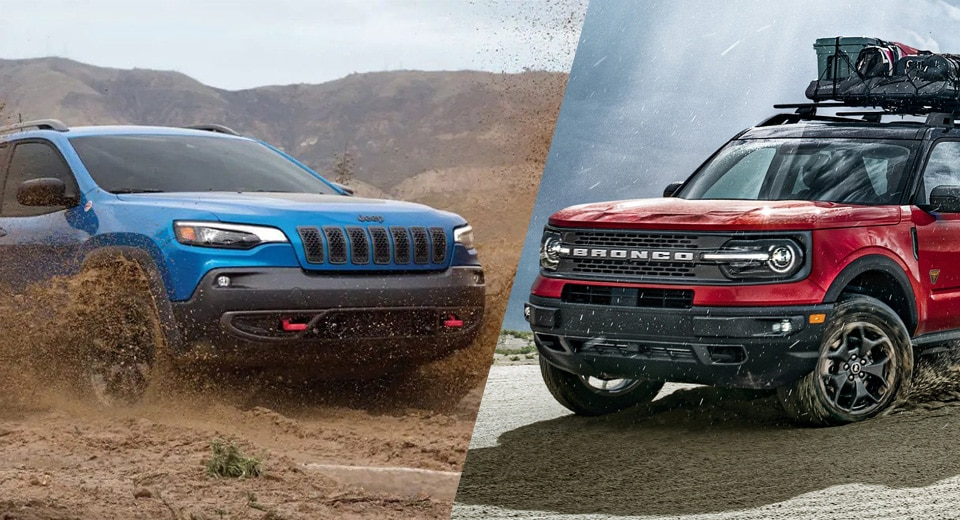
With the summer fast approaching, you might be dreaming up your next big adventure in West Michigan. Perhaps you're looking for a vehicle that takes you off the beaten path, braving the mud, rocks, water, and sand. The New 2021 Ford Bronco Sport is up for the challenge and comes in a stylish yet aggressive package. But the Bronco Sport is a newcomer to the light ORV game: how does it stack up against the established Jeep Cherokee? more Read More At Borgman, we felt that Jeep has run unopposed for far too long and the Bronco Sport doesn't just give it a run for its money, the Jeep Cherokee struggles to keep up with the Bronco Sport. Both the 2021 Ford Bronco Sport and the 2021 Jeep Cherokee are little siblings of more capable off-roaders: the Ford Bronco and the Jeep Wrangler respectively. But that's a showdown for a different day, as the Ford Bronco hasn't quite arrived at Borgman yet. Compare the two side-by-side in our latest Borgman Head-To-Head and see why 2021 Ford Bronco Sport reigns king of the West Michigan wilderness. Power & Towing The 2021 Ford Bronco's base engine is a 1.5L 3-cylinder EcoBoost (turbocharged) engine, producing 177 hp and 210 lb/ft of torque. Adventurers needing a little more oomph can upgrade to a 2.0L I-4 EcoSport with 245 hp and 275 lb/ft of torque. When properly equipped, the Bronco Sport can tow up to 3,500 pounds. The Bronco Sport provides all of this power while maintaining an EPA-Estimated 25 city and 28 highway miles per gallon too. The Jeep Cherokee's base engine is a 2.4L 4-cylinder with 180 hp and 171 lb/ft of torque. Like the Bronco Sport, you can upgrade to the 2.0L turbocharged engine, which produces 270 hp and 295 lb/ft of torque. The even bigger 3.2L V6 engine provides 271 hp and 239 lb/ft of torque. The Jeep Cherokee can tow up to 4,500 lb when properly equipped, though the trade-off is in fuel economy, producing 19 city and 26 highway miles per gallon based on EPA estimates. Interior Features Ford pulled out all of the stops for the Bronco Sport interior. Using an assortment of high-quality, touchable plastics, hard rubber, and in the higher trims, premium leather, give the Baby Bronco a sense of a seasoned adventure machine mixed with daily driver comfort and refinement. Enjoy all of the features you're used to in this latest generation of Ford Vehicles, such as Ford Co-Pilot360, SYNC 3, FordPass Connect, and more, plus some new ones for off-roading. These include breadcrumb navigation for finding your way back in the wilderness, a trail view cam, best-in-class cargo space, and more. By comparison, the Jeep Cherokee is starting to look a bit dated on the inside, despite sharing some features with the Bronco Sport. It has a 8.4" touchscreen, panoramic moonroof, automatic parking, and other driver-assist features you'll find in Ford Vehicles, but the materials used by Jeep here make what would be a luxe interior feel chintzy, something not reflected by its bigger price tag. Also of note, despite being the bigger and heavier of the two SUVs, the Jeep Cherokee has the least amount of cargo space. Adventure-Readiness For Price While the starting MSRP of the Ford Bronco Sport rests at $28,155, a fair amount more than the Jeep Cherokee's $25,840, a fully decked-out Ford Bronco Sport Badlands Edition tops out at $34,155 compared to the Jeep's equivalent Trailhawk, retailing for $36,250. There's a reason for these prices: every 2021 Bronco Sport has standard all-wheel drive and other standard features that are not included on the Jeep Cherokee. You can upgrade Ford Bronco Sport to a twin-clutch, torque-vectoring rear axle with a locking differential if you wish too. The Cherokee Trailhawk only offers a rear differential locker: you'll only be able to send power back to both rear wheels, not one or the other like the Bronco Sport. If your adventures get rocky, the Ford Bronco Sport also has better clearance than the Jeep Cherokee and has an easier time clearing sharp inclines thanks to its lighter weight. The Bronco Sport is also highly customizable, letting you transform it to haul mountain bikes, kayaks, or even camp out on top! Start Your Adventure at Borgman Ford in Grand Rapids, MI While we need to wait just a little bit longer for the Ford Bronco 2 and 4-Door models, the 2021 Bronco Sport may be just what you were looking for anyway. Take a look at our selection at Borgman today, or get in touch with us to order one just the way you like it. Helping you order your dream vehicle from specification to reality is just one of the many reasons we've been the Best in the West for over 60 years!

Borgman Auto of Holland is Now Open - Offering Quality Used Vehicles to the West MI Lakeshore

Borgman's Used Vehicle Dealership in Holland MI is Now Open! Borgman Grand Rapids is very pleased to share that we've opened a second location to better serve our pre-owned vehicle customers in Holland and on the West Michigan Lakeshore! Borgman Auto of Holland holds the same standard of quality and customer service that has made our primary location a success, and backs every vehicle with the same B-Protected Warranty our customers have grown to love. more Read More The new lot is quickly filling up with vehicles of many different makes and models of Pre-Owned Cars, Trucks, and SUVs. Visit us soon and shop American brands including Ford, Lincoln, Chevrolet, Dodge, and Jeep, or if you prefer imports, we have a growing selection including Mazda, Toyota, Honda, Volkswagen, Volvo, and many others. If there's something specific you're looking for, let us know either in person or through our CarFinder form and we'll do the legwork for you. Borgman's Long-Standing Reputation of Honesty Borgman is well-known around West Michigan for both fair-and-square deals and excellent customer service. Back in 1960, Fred Borgman started the business to prove you could be a successful auto dealer while keeping your integrity. Borgman was a huge success and the dealership became known to customers as "The Home of the Redcoats." The salespeople all wore black pants, white shirts, black ties, and the trademark red sport coats. These red coats came to be locally-famous, and emblematic of friendly, knowledgeable, and professional sales staff. Even though we've retired the jackets, what they represent will always be the cornerstone of our business. Find Your Next Vehicle at Borgman Auto of Holland If you're in the market for a high-quality pre-owned vehicle in the West Michigan lakeshore area, visit Borgman Auto of Holland today and browse our Great Selection of Used Vehicles. Our staff will be happy to help you find one that suits your preferences, needs, and budget, but will never pressure you into a sale. Our customer service is what has set us apart since 1960, and we're honored to be able to offer that to the Holland and West MI Lakeshore. Come see why we're the Best in the West!

Contact Us

Fill out this form below and we'll contact you shortly
*Required Fields