Blog / Service

Blog

All Service News New Inventory Community Events Fleet Green Parts Social People Pre-Owned Inventory Body Shop Finance
Winter Tire

Borgman How-To: Winter Tire Shopping Guide

The winter weather is right around the corner for West Michigan, so if you've been thinking about getting a set of winter tires for your vehicle (or better yet, gifting someone a set for the holidays,) visit the Borgman Service Center today! Our trained experts will be more than happy to explain the benefits of using winter tires and matching them with high-quality rims that match the aesthetic of your vehicle. more Read More However, we also believe that knowledge is power when it comes to the care of your vehicle. For our latest Borgman How-To, we've put together a Winter Tire Shopping Guide to help demystify some tire terminology, explain what all those letters, numbers, and symbols mean, and give you a better sense of what kind of tire best suits your needs. Why Buy Winter Tires for West Michigan? Last year we wrote an article that takes an in-depth look at what makes winter tires so effective. The combination of rubber that stays soft in sub-freezing temperatures, specialized tread pattern, and shape all play a role, but the overall cost savings and benefit of extra safety are undeniable. How Do I Choose Which Type of Winter Tire To Get? Typically, if you have a larger vehicle and do most of your driving on country roads, we'd recommend a non-studded winter tire. These don't have metal studs in them (which are illegal in Michigan) but have big treads that act like cleats and really grab into densely-packed snow. However, driving on cleared pavement with these will wear them down faster. For the typical driver in the Greater Grand Rapids Area, Borgman will recommend Performance Winter Tires. These look like regular tires, but the tread pattern has been specifically-designed to pack snow onto the tire and use it for extra grip. If this sounds strange, think of it like rolling a snowman - snow sticks to snow pretty well, especially if it's slightly wet. What Do All of Those Symbols and Numbers Mean In The Specs? When shopping for winter tires, you might notice a symbol of a mountain and a snowflake pop up in the literature or on the tires themselves. This means that the tire has passed a traction test, but doesn't mean that it's a winter tire. You may also see an "M+S" next to it, meaning that it has been formulated for moderate snowy conditions. The numbers and letters separated by slashes on the sidewall of the tire tell you what roles it's for and which size rim it needs. If this looks confusing, don't worry. The staff at Borgman will be more than happy to help you. For the curious, they note the following in this order: Tire Type: Usually this will read "P" for passenger vehicles, but some pickups and larger SUVs will have "LT" for light truck. Tire Width: This is the measurement if the tire width in millimeters from sidewall to sidewall. Ratio: This is the height of the tire, measured as a percentage of the tire width. Construction: This refers to how the layers of rubber make up the tire. "R" will mean radially and is the most common. Diameter: This is the full measurement of the "donut hole" part of the tire. Which Brand of Winter Tire Should I Go With? Borgman Service inventories a wide selection of quality winter tires from trusted name brands. This includes affordable options all the way up to more premium offerings. For the budget-conscious, our affordable winter tires will still outperform all-season tires in snow and offer a lower barrier to entry. The more money you're willing to spend, you can expect even better performance and in a wider range of conditions. The bottom line is to look at what's available within your price range and choose which ones fit the needs of your commute the best. This includes how often your street gets plowed, how many hills you drive up and down, and so on. Name brands will research and develop their own proprietary rubber compounds and tread patterns, each with their own merits. The best thing you can do while choosing is to sit down and look carefully at each of them and decide which tire best-addresses the road conditions you dislike driving in the most. If you're short on time, or aren't sure what you're looking at, the tire experts at Borgman can match you with a "good, better, best" selection for you to choose from. The Borgman Service team will also educate you about how best to care for your tires, including the best storage environment, why dedicating a set of rims to them yields the best longevity, and how to tell when it's time to swap them with your warm weather tires. If you're thinking about equipping your vehicle with winter tires, beat the rush and Schedule Your Appointment with the Borgman Service Center today! Be sure to check our latest Service Specials too, and feel free to Reach Out To Us with any questions. Come see why we're the the Best in the West!

Low visibility due to fog

Fog Can Be Fatal: Safety Tips for Driving in Low Visibility

The fall and winter seasons are rolling in as fast as the fog that looms your cold mornings and evenings in Michigan. The thick clouds of atmospheric moisture can restrict visibility significantly, lending to hazardous driving conditions if extra precautions aren’t taken. Weather.com reports fog-related accidents contributing to over 32,000 crashes, 500 deaths, and 11,500 injuries annually! At Borgman, we’re focused on family and safety. Read our tips below to ensure safe driving for everyone when the fog rolls in. more Read More Ensure your headlights are working well. Using your headlights properly is key. We suggest ditching the high-beams and sticking to the low-beams for better visibility. If you think your low-beams aren’t bright enough, roll into Borgman for a headlight replacement and upgrade for optimal safety. Use your windshield wipers and defrost. Moisture alone can create a major glare off of your windshield, and combine that with ice and you have almost no visibility between the fog and your windshield. Clearing off the glass is essential to increasing your safety. Not sure if your wipers are fit for the fall and winter? Take advantage of our current Borgman service special on performance wipers! Leave extra cushion in front of you, and don't feel pressured to go faster if there's a car behind you. Remember to put as much as your safety in your own hands as possible. That means taking extra precautions while driving, regardless of other people on the road. Fog significantly debilitates a driver’s ability to perceive distance, so the slower you go and the more space you leave in front of you to increase space for a slower reaction time, the better. Don’t use cruise control, and make sure you brake gently. Cruise control doesn’t allow you to have full control over your surrounding speed and may cause you to sneak up on objects that were unseen only a few feet before. On the same note as the previous tip, you want as much space as possible in front of and behind you without increasing speed. Avoid collisions in front of you by staying in control of your vehicle’s speed, and be kind to those behind you by braking slowly! Use the road lines as a guide. Look for solid lines on the right side of the road as a guideline for your driving. Don’t use the lights of any other vehicles in front of you, as that could lend to multiple accidents. Stay in control of your vehicle, drive slow, and pull over off of the road completely (and put your hazard lights on!) if you’re feeling uncomfortable. If you haven’t had a tune up this year, bring your vehicle into Borgman Ford Mazda for a brake, tire, headlight, and wiper check—all components that are critical to your safety during the foggy commutes ahead. Our highly qualified technicians are here to provide exceptional service in a timely manner. We are dedicated to keeping our customers safe and maintaining top tier customer service, for both new and pre-owned car buyers! Contact our Ford Service Center or Mazda Service Center to schedule your appointment!

Service Tune Up

What Does a "Tune Up" Mean Now?

Our vehicles are just like every other machine. After a certain amount of time cruising West Michigan, maintenance will be required to keep your vehicle running efficiently. All of this will, in turn, improve your vehicle’s overall performance and increase its longevity. But what exactly goes into vehicle maintenance and a “tune up”? What happens if you don’t do anything? Read on to find out, and trust the experts at the Borgman Service Center in Grand Rapids to keep you moving! more Read More What vehicle maintenance do I need to do regularly? The best way to check the maintenance needed for your vehicle is to pull out that owner’s manual. By confirming what maintenance needs to be done, you can avoid any unnecessary charges regarding services. The manual will also provide you with a recommended maintenance schedule that will benefit you in the long run in keeping your vehicle in tip top shape. Here are a few things you should do regular maintenance on and why it is crucial to do so. Oil - Scheduling regular oil changes is important in helping to maintain cooling components, engine lubrication, cleanliness of engine (removing of particles and sludge from engine wear), good gas mileage, and most importantly, the vehicle’s longevity. Air Filter - These should be replaced between every 15,000-30,000 miles. In doing so, that replacement will allow increased fuel efficiency, reduced emissions and prolonged engine life. An air filter replacement is an inexpensive, quick fix and also very easy to track for vehicles. See how to replace your air filter here. Transmission Flush - This often goes unnoticed until something serious happens with your transmission. A transmission flush is where the oil inside is removed and new oil is run through to remove any built up grime or sludge. This will also remove any unnecessary particles and debris while giving your vehicle fresh, clean fluid. If done properly, a transmission flush can be an excellent preventative maintenance procedure. Spark Plugs - While these little guys are manufactured to be very durable, it doesn’t mean they need to go untouched. Spark plugs are very important. Manufactures are finding that spark plugs don’t need maintenance until 30,000 to 100,000 miles, but there are consequences to not paying them enough attention. Bad spark plugs can cause an engine to misfire which can harm gas mileage and cause a meltdown of converter parts, an increase in cold starts during the winter, and an increase in voltage needed for the ignition system (will drain your battery). So to keep your vehicle from losing its spark, be sure to give those spark plugs some loving. Belts (Serpentine & Timing) - The purpose of your serpentine belt is to keep components moving correctly to avoid metal on metal collisions. If it needs to be replaced, the serpentine belt will make noise when revving your engine due to lack of tension. Worst case scenario, if not replaced, it could break while driving and cause a chain reaction of malfunctions. It is best to replace this belt between 60,000 to 100,000 miles. By doing so, this will give you a worry-free mindset while driving. Now the timing belt is a little different. It allows the operation of the engine's intake, compression, combustion, and exhaust strokes to synchronize in an efficient manner through valves and cylinder heads. It is extremely important to pay attention to this belt as it wears down over time. If it breaks, your engine will stop immediately, causing the cylinder heads to rub with the valves resulting in some hefty damage. Past “Tune Up” vs. Today’s “Tune Up” Before certain advancements in vehicle technology came about, the phrase “tune up” meant much more than we are used to hearing today. Here is what the original tune up consisted of: replacement of spark plugs, fuel filter, and air filter. The technician would also inspect the distributor cap, rotor and other points for wear (replacing if necessary). When all parts were replaced, they would then check all of the engine settings, including the adjustment of carburetor linkages, point gap and dwell, ignition timing, etc. This tune up could easily be a few hours depending on what vehicle you had. Tune ups have come a long way due to the developments in technology. Thanks to these enhancements, the only parts that are leftover to check on are the spark plugs and air filters. By replacing a clogged air filter, you can increase your vehicle’s acceleration by 11% – a significant improvement – according to the federal EPA and Department of Energy. However, that’s not all that is included in a tune up nowadays. Along with the replacement of spark plugs and air filters, your vehicle’s fuel, ignition and emissions systems will be tested to ensure that vacuum hoses, oxygen sensors and other important performance parts are all working properly. How do I know what tune ups I need and when? In today’s vehicle world, tune ups are often based on mileage. Following this general routine maintenance schedule will help you keep track of what you need and when. Every 3,000 miles: Replace oil Replace oil filter Inspect air filter – replace as needed Check and top off all fluids Check tire pressure (fill as needed) Every 7,500 miles: Replace wiper blades Every 15,000 miles: Replace fuel filter Replace cabin air filter Every 30,000 miles: Replace automatic transmission fluid Replace automatic transmission filter Flush cooling system Replace pcv valve (follow spark plug replacement interval) Replace spark plugs (doesn't include vehicles with platinum spark plugs) Fuel Injection and Carbon Clean Service Every 50,000 miles: Replace fluids for: Differentials Manual transmission Transfer case Power steering Brakes Every 60,000 miles: Replace pcv valve Replace spark plugs (includes vehicles with platinum spark plugs) Replace spark plug wires Replace timing belt (varies for each vehicle) At Borgman Ford Mazda our highly qualified technicians are here to provide exceptional service in a timely manner. From oil changes to transmission replacements and flushes, we are dedicated to maintaining top tier customer service, for both new and pre-owned car buyers! Allow our staff to demonstrate our commitment to excellence. Our Ford Service Center Manager is Kirt Schrotenboer. He can be reached at 616-249-8854. Our Mazda Service Center Manager is Brent Zaebst. He can be reached at 616-249-8860.

overheated system

Borgman How-To: Spotting When Your Rad Is Going Bad

It's summer in West Michigan, which means a lot of fun out in the sun, trips to the beach, or trekking up north for a weekend of camping. While we can stay cool by hanging out in the shade or taking a dip in Lake Michigan, our vehicles rely on a complex system of hoses, tanks, and a big heat exchanger called a radiator to do the same. If something isn't working right, it can really put the brakes on a fun-filled weekend before you even make it out of Grand Rapids. more Read More In this Borgman How-To, we're giving you a quick tour of your vehicle's radiator and cooling system so that you can easily spot issues before you hit the road, while they're happening, and take steps to prevent damage to your engine. What is a Radiator and What Does It Do? A radiator (sometimes called a rad for short) is a type of heat exchanger mounted at the front of a vehicle. Its purpose is to regulate engine temperature, but it relies on a whole system of plumbing and sensors to accomplish this. These days, just about every vehicle you'll see on the road (except motorcycles) is water-cooled, meaning a closed system of coolant/antifreeze keeps everything within operating temperature. A radiator's job is to push the excess heat out of the engine bay. As hot coolant moves through the coiled up pipes in the radiator, tiny metal fins conduct heat away from them and a fan blows that heat out of the system through the front grille. It's important to remember throughout this article that a radiator is just one piece of a system with a specific job. If you're troubleshooting, keep in mind this system is designed to regulate temperature, not necessarily just keep it cool. Your Vehicle's Cooling System: A Basic Rundown When you start your vehicle, your radiator does... nothing! Coolant is circulated between the reservoir and a metal jacket around the engine until the engine gets up to operating temperature. The water pump keeps the coolant pressurized and moving throughout the system. Once the temperature in this smaller track reaches about 190°F, the thermostat kicks in. Think of it like one of those turkey thermometers that pop up, but with a valve inside that allows coolant to move into the rest of the system. The radiator fan will adjust its speed depending on how hard the engine is working. From here, coolant is routed to the radiator to keep it within a certain temperature range, the heater core for your climate control, and into another chamber to exchange heat with the transmission's cooling system. As the coolant heats up it expands, so the radiator cap allows excess air to escape. After hot coolant from the engine passes through the radiator, the cycle repeats. Signs & Symptoms of a Heat Management Issue: The two the most obvious signs that your vehicle's radiator or cooling system is failing are frequent overheating and coolant loss. The first won't be noticeable until the engine has run for a while, but missing coolant usually isn't subtle. In most cases, you'll see coolant-colored spots appear in the driveway or thick white smoke from the tailpipe. The easiest way to spot a slow leak is to get into the habit of checking your fluids every other time you get gas. Weather/Environment-Related Overheating If you find yourself overheating while out driving, many people's first instinct is to pull over and open the hood. Overheating doesn't necessarily mean that the cooling system is failing, it just may be overloaded. Instead of pulling over, try turning off the air conditioning, rolling down the windows, and turning the heater all the way up. This lessens the strain on the engine and sucks heat out of the system. If the temperature gauge doesn't go back down after doing this or if the temperature keeps rising, then it's time to pull over. Random overheating usually occurs in summer when idling for long periods of time in heavy traffic, such as waiting in line to park at one of West Michigan's beaches. This is because your air intake is pulling in hot air from another vehicle's exhaust, and the engine isn't under much load so it doesn't necessarily know to compensate for the heat. If you can't move and turning the heater up isn't allowing the radiator to catch up, try putting the vehicle in park, doing the steps above, and gently revving the engine. This could "wake up" the radiator fan and get things back under control. Note: If you see any amount of steam coming from beneath the hood, pull over as soon as you safely, possibly can and turn off the engine. What To Do If Your Radiator/Cooling System Is Failing If the temperature is still rising despite following the steps above, safely pull over to the side of the road and turn the engine off. Pop the hood and wait a few minutes for things to cool down. Opening the hood too soon could result in burns, especially if there is visible steam coming from the radiator. Listen for any bubbling or strange noises, then check the coolant reservoir level. Do not open the radiator cap. If the coolant levels are normal, give the engine some time to cool down and drive to the nearest service center where a technician can look it over. It could be a bad thermostat, temperature gauge, radiator fan, contaminated coolant, or a faulty sensor somewhere. If the coolant levels are lower than normal, it's either being lost through a leak in the radiator, one of the hoses, or through a worn gasket in the engine. This is when it's time to call for roadside assistance, but if that isn't an option there might be steps you can take. Below are some common faults in the cooling system: Cracked Hose: This is perhaps the most common cause of a leak. These rubber hoses undergo heating up and cooling down every time you use the vehicle, all while holding the system under pressure. Eventually, the rubber degrades and hairline cracks appear, allowing coolant to escape. These cracks get worse over time and can result in a full-blown leak. Starting from the radiator, follow each hose to where it's going and look for signs of residue or active leaking. Sometimes, the hose itself is fine but the clamp at the end is loose. If this is the case, you might be able to carefully readjust the clamp with a screwdriver.In a pinch, cracks or small holes can be duct-taped shut. It's not permanent, but it can be good enough to limp the vehicle to a service center. If you don't have any spare coolant, plain ol' water can be used as a temporary substitute - just be sure to tell the technician. Contaminated Coolant: Over time, coolant can degrade and turn a dark, rusty-looking color and lose its effectiveness. It can even start to solidify inside the radiator, making that section less efficient. Discolored coolant can also be a sign that fluids are mixing together, especially if your radiator has a transmission cooler. If your coolant is discolored, the system needs to be flushed and the source of contamination repaired. Coolant should be bright in color, and they are color-coded based on what type you should use. They are not interchangeable. Faulty Thermostat: Thermostats themselves are a very simple, inexpensive part but where they're located can make them expensive to replace. A thermostat that doesn't open fully (or at all) will cause overheating, so it's never a bad idea to replace it if the opportunity presents itself. Unfortunately, this isn't something you can fix on the side of the road. Hole in the Radiator Itself: If you can't find any coolant residue in/around any of the hoses, the leak may be in the radiator itself. Check the fins, cap, and bottom of the radiator and if you discover a leak, take note of where it is. If it's small enough that it can be patched with something like fast-set epoxy putty (or even chewing gum) then it's worth a shot. Using products like radiator stop-leak or black pepper to plug up a leak should be considered an absolute last resort, but just know that there's no guarantee they will work and often create more problems than they solve. Radiator Fan Belt: Not every car has one of these, but if you have a belt-driven radiator fan and the belt is broken, you can replace it with a leg of pantyhose tied into a loop. It's not something you'd want to do for very long, but it can be enough to get you to a service center. A Few Things You Shouldn't Do To An Overheating Engine: When an engine is running normally, coolant can become hotter than boiling water depending on what part of the system it's in. Never open the radiator cap on a hot engine, as the coolant is under pressure and will spray out. This information is also printed in no uncertain terms on the radiator cap, so make sure the engine is cool before removing it. Back in the old days, it was common wisdom to plug up a radiator leak with egg whites and water if you were stranded. Its effectiveness is debatable, but on modern radiators, it will almost certainly make things worse. Today's radiators have all sorts of little fins and agitators inside the exchanger to mix the coolant as it moves through, and egg whites will cling to those instead of the leak. Lastly, do not pour water on an engine block to cool it down faster. The iron will contract too quickly, resulting in a slightly-distorted engine (head gasket repairs that never seem to take) and possibly hairline cracks in the metal. Having Radiator Trouble in the West Michigan Summer Heat? Visit the Borgman Service Center in Grand Rapids, MI If your vehicle can't seem to beat the summer heat, make an appointment today with the Borgman Service Center in Grand Rapids, MI. Our friendly and highly-trained technicians will inspect your radiator and cooling system for signs of wear, leaks, or discoloration and make sure you understand any issues before making decisions. Whether you need a new radiator or just a system flush, you can count on us to get you back on the road to adventure. Check out our Latest Service Coupons and Schedule Your Appointment Online. Come see why we're the Best in the West!


young drivers and riders

Safety Checks to Keep Teen Drivers and Child Riders Safe

School is out, and with more young drivers and riders on the road it’s the duty as parents to ensure they’re set up for safety. Ford vehicles are designed to keep you and your kids safe, but it’s never a bad idea to do an at-home check up on functions like seat belts, car seat fittings, bluetooth, battery health, and braking. The more we can help your Ford run like new, the safer you and your kids are whether they’re in the driver or the passenger seat. Let our service professionals at Borgman Ford complete a full care tune-up to make sure you and your kids are safe this summer season! more Read More Seat Belt Safety If you own a 2019 Ford Ranger, the latest safety feature called Belt Monitor does it all for you: lets the driver know which passenger isn’t buckled in, an if there is a faulty belt, you’ll know right away. While many other 2019 Ford models will begin to sport this helpful feature, the older models require standard checks. Before you hit the road or loan your car to your teenager, make sure all the seatbelts are working; and if you’re the driver, make sure everyone is buckled before leaving the parking lot. If your seatbelts aren’t performing properly or locking tightly, we’re happy to fix it! Car Seat Checks and Fitting All Ford vehicles are designed to support car seats for kids of all sizes. If you’re transporting precious cargo, it’s important that your vehicle supports and secures your child’s seat. According to Safe Kids Worldwide, nearly 70 percent of car seats are improperly installed, which means it’s worth the research. Visit safekids.org to find a carseat inspector if you’re using an passed-on carseat; once you know it’s in tip-top shape, make sure you know how to install it in your Ford. We’re happy to help! Battery Health This is simple and straight forward — if you’re heading on a road trip or loaning your car to those in your family, make sure the battery is working properly to prevent any unfortunate situations. Summer weather means longer driving days, which increases your battery use. We’re happy to take a look at your battery life and recommend a replacement if necessary. Either way, secure a battery pack to keep in your vehicle for those unexpected moments. These battery packs can jump your car and charge your phone in case of an emergency! Bluetooth Enabled for Hands-Off Driving We know it’s important to stay connected, which is why Ford has innovations that make it easy for you to stay in the know while on the road. Teach your kids how to set up bluetooth connections and make sure you provide the appropriate accessories to reduce the chances of them using their phone and texting while on the road. With technology that synchs your phone to the car, there’s no excuse for distracted driving. Brake Inspection and Service Ensure your brakes are performing well with a free brake inspection at Borgman Ford service center. From brake pads to rotor and drum checks, it’s important to have everything working well before handing your vehicle off to a new driver. Check off each of the safety to-dos above and your kids are ready to ride. Your Borgman Ford service specialists are eager to assist in ensuring your family is as safe as possible on the road. Schedule an appointment today and remember to check our monthly service specials to snag deals on brakes, tires, batteries and more! We look forward to serving you.

Ford Yakima Kayak

Road Trip Tips: To-Do Before Your Summer Michigan Adventures

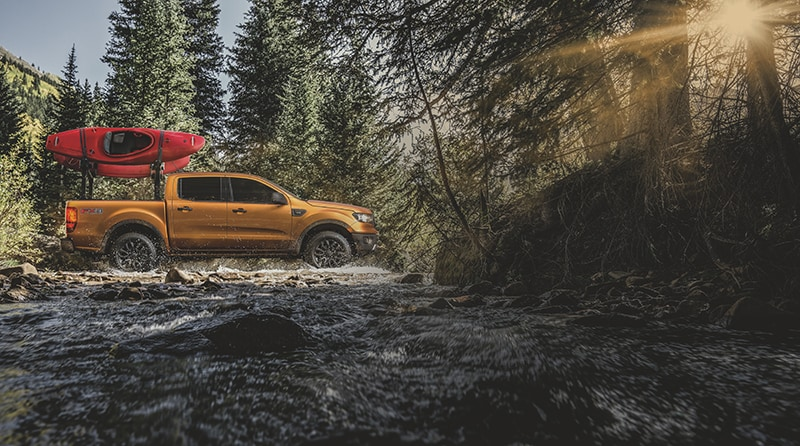
The weather is warming and you’re getting antsy to head on your first Michigan adventure of the season: kayaking, hiking, vineyard touring, or camping. These activities (and more!) are more enjoyable when everything functions as expected, including your vehicle. Before you head out, ensure your vehicle is up to speed by having Borgman Ford check your necessities in a quick tune-up service appointment! Below are things you should check to ensure your adventure rides smooth in every way possible. more Read More Check your oil and coolant. If you’re tacking on miles, ensure your oil change is up to date to preserve engine performance, and checking your coolant is essential to avoid overheating in the balmy Michigan summers. Ensuring everything is leak-free under the hood ensures a no-worry trip. Lights and Wipers Sometimes overlooked, these components are essential for navigating at night, especially in the event of an unexpected rainstorm. Check every light, including brake and blinkers, to reduce collision risk. Grab spares if it’s been a while and store in the glove box to avoid nighttime safety risks! Brakes and Tires (and have a spare wheel!) Adventure driving is synonymous with encountering windy roads and big hills, so make sure your brakes and pads are in tip-top shape and that your tires have been recently aligned for optimal wear and performance. Borgman can check the details for any notable damage such as surface and tread wear, inflections, and bubbles. It’s a smart idea to invest in a spare wheel for an accidental flat on the road, too.  If you’re not comfortable changing your own tire, keep Ford’s Roadside Assistance contact information on hand for 24/7 assistance. Steering When driving, listen for abnormal engine sounds, vibrations and suspensions. Borgman offers thorough steering checks to ensure your vehicle isn’t pulling you in any direction for safe navigation during long drives. Outfit Your Ford If you’re interested in taking your vehicle for more than just an average road trip, consider the outfitting options available from various companies made either in partnership with Ford or endorsed by Ford. Tried-and-true brands like Yakima, Thule, and Malone make roof and bike racks for almost all car models! If you have a Ford Ranger, you’re in luck; this year, Yakima released a line of accessories constructed specifically for optimizing the Ford Ranger for adventure, and include kayak racks, bike racks, truck-bed storage solutions, and truck-bed tents. If you need help installing any of these items, don’t hesitate to ask your service professional at Borgman Ford! Pack your bags, organize your car, and check off each of the safety to-dos above, and you’re ready to ride. Your Borgman Ford service specialists are eager to assist in summer-adventure prep. We’re dedicated to ensuring your Michigan Adventure is as safe and smooth as possible. Schedule an appointment today and remember to check our monthly service specials — we look forward to serving you!

Ford

FordPass Users Can Now Have Amazon Packages Delivered To Their Ford

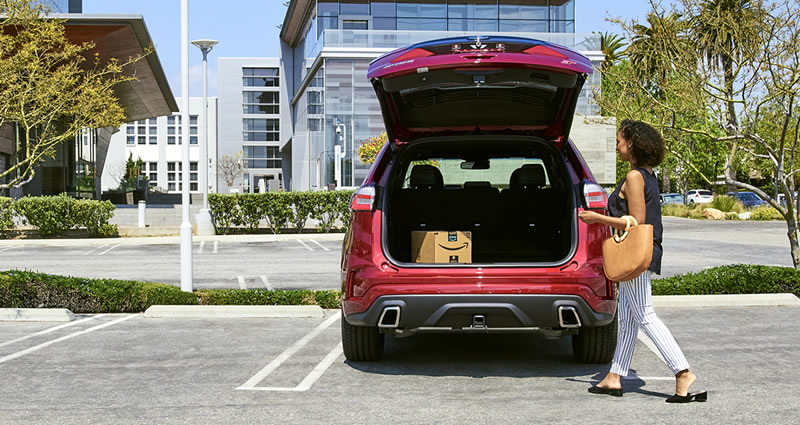
Borgman Ford is excited to share a new feature of the FordPass App! Thanks to a recent integration with Amazon Key, a service that grants temporary access to your home for securely delivering your Amazon Prime packages, Amazon is now able to deliver those directly to your Ford Vehicle as well. The FordPass App puts you in control of the process without the need for you to micromanage every step. Using the same technologies you use to lock, unlock, and locate your vehicle, Amazon last-mile personnel will be able to temporarily do the same - ensuring your delivered goods are safe and secure. more Read More The process looks like this: Amazon Prime customers with a FordPass-equipped vehicle would select this delivery option at checkout. Once the package is out for delivery, the courier would be sent GPS Coordinates to the location of your vehicle, and their device would be allowed to unlock your trunk. After the package is placed securely inside, they will then be prompted to lock your vehicle and you will be sent a notification. This confirms both the successful delivery and that your vehicle has been locked. Though you'll set a delivery window beforehand, you'll be able to reschedule or modify aspects of your delivery too. For instance, if you needed to leave for an unexpected meeting across town during the workday. This recent addition only adds to the suite of features available on the FordPass App with connected Ford vehicles. Read more about FordPass here, or download the app on the Apple App Store or Google Play Store to see for yourself. Explore Other Benefits of the FordPass App at Borgman Ford in Grand Rapids, MI If you're curious about all of the latest features available in the 2019 Ford Lineup, or Borgman Ford is your home for the latest in FordPass-Equipped Vehicles and support. Our friendly Sales and Service staff are here to help you stay better-connected while cruising around Grand Rapids and West Michigan this summer and make sure all of your questions are answered. If you're new to the FordPass App, we'd be happy to show you all of the exciting features included, such as the ability to lock, unlock, and start your vehicle from your phone, set up speed and geofencing alerts, locate your car in a crowded parking lot, and more. We'll also be happy to guide you through setting up in-vehicle delivery with your Amazon Prime Account too! Ready to get started? Stop by anytime for a visit and check out our lineup of New 2019 Ford Vehicles, or inquire about upgrade options - we’ll be happy to help! While you’re here, you can make sure your vehicle is in tip-top shape over at our Service Center, and feel free to take your favorite New Ford vehicle out for an extended test drive with our Day Trader Program. Come see what makes Borgman the Best in the West!

Tao of Towing: Keeping Your Brakes Cool on Your Next Adventure

Spring has sprung in West Michigan and soon many intrepid adventurers will be hooking up their trailers and towing boats, campers, dirt bikes, and other gear all across our fair state. Bringing the right vehicle for the job and equipping it correctly is an important step, but as we discussed in our last Tao of Towing article, there's a little more to it than making sure you, your gear, and other motorists stay safe during the journey. more Read More Today, we're going to dig a little deeper into braking, and some techniques you can master that will not only save you in maintenance costs but help you tow safer out there as well. A Quick Refresher on How Brakes Work We did a deeper dive on this in our post about your vehicle's braking system, but here are the short strokes. When you press the brake pedal, a hydraulic system squeezes the brake rotor, a metal disc attached directly to the wheel. The calipers use brake pads to do the gripping/squeezing, slowing the wheel and bringing the vehicle to a stop. This is a disc brake setup, and drum brakes work on a similar principle. We're going to focus on disc brakes for today, as they're more common and actually more heat-efficient. When Towing, Brake Heat Management is Key Remember in elementary school when the teacher told  everyone to rub their hands together for a minute to generate heat to demonstrate the concept of friction? With your brake pads (which are stationary) being pressed against the rotor (which is spinning,)  you're going to generate a lot of heat through friction when slowing the vehicle down. Disc brakes have an open design so under normal conditions they keep relatively cool. Here's the kicker: how fast your vehicle is moving and how much it weighs both determine how much time it will take to bring it to a stop, and how much heat is generated in the process. So if you're towing and braking downhill, heat is something you need to try and minimize to prevent premature wear of parts or create an unsafe situation. Ford Trucks and SUVs can handle it, but to get the most out of them you do need to take this into account while towing. What Happens When Brakes Are Overheated Excess heat can disrupt your brake performance and damage components. When the brake pads reach a certain temperature, they start to smooth over and lose their grip - known colloquially as "brake fade." This is usually temporary but nonetheless can be dangerous if your brakes are taking longer than you expect to slow you down. Repeatedly putting them in this condition can start to form a glaze on the pads and the rotor, and that can be permanent. Other issues that can arise from repeated overheating are cracks in the brake pad, warped rotors, or even fluid leaks. Damaged axle seals are somewhat unrelated here, but they can throw grease onto the rotor, making it slippery and reducing performance. There are other variables as well, such as damage from going through a cold puddle with superheated rotors. Driving Habits While Towing to Keep Your Brakes Cool Mostly, just being aware of the fact that your brakes generate heat while towing is enough to lend context to what you can do to keep it from snowballing. One trick truckers use to save their brakes while going down a big hill is to bypass them altogether, using a technique called engine braking. If you're driving a manual transmission or have a SelectShift automatic, you'd select the gear below the one you're in and use the engine to slow the vehicle instead of the brakes. You can then use the brakes as needed. Be aware that this is noisy, so please don't do it in residential areas. If you need to brake hard with a trailer, some newer Fords have features that will help control the trailer brake automatically. Just keep your eyes on where you want to end up and undershoot by about 50-100 feet. Then, when you're close to that mark, let off the brake to let the vehicle creep forward the rest of the way. This spinning allows the brakes to let off all that heat before being reapplied to keep the vehicle at a stop. Braking hard and then stopping in place, especially with a trailer, can then trap heat in one spot on the rotor, leading to warping or cracking. Towing Something On Your Next Adventure in West MI? Trust the Experts at the Borgman Service Center The key to making your brakes last longer while towing is to think of your stopping distance as a finite resource. After you get comfortable towing, you build up a sense of what your safe stopping distance is. If you find yourself running out of runway a bit while towing, or it's been a while since you've last had your brakes checked, it's definitely time to stop by the Borgman Service Center in Grand Rapids, MI. Our highly-trained technicians will thoroughly inspect your braking system for signs of wear, heat damage, and leaks. We'll be looking over all of your other vital systems as well, to make sure your next adventure is fun, worry-free, and safe. Please feel free to ask your Borgman Service Advisor any questions you may have about your vehicle - we're more than happy to help. Be sure to check our specials page for the latest Service Center Coupons, use our easy Online Appointment Scheduler, and Contact Us if you have any questions. Come see why we're the Best in the West!

2020 Explorer Flat-Resistant Tires

New 2020 Ford Explorer Platinum Will Include Puncture-Resistant Tires

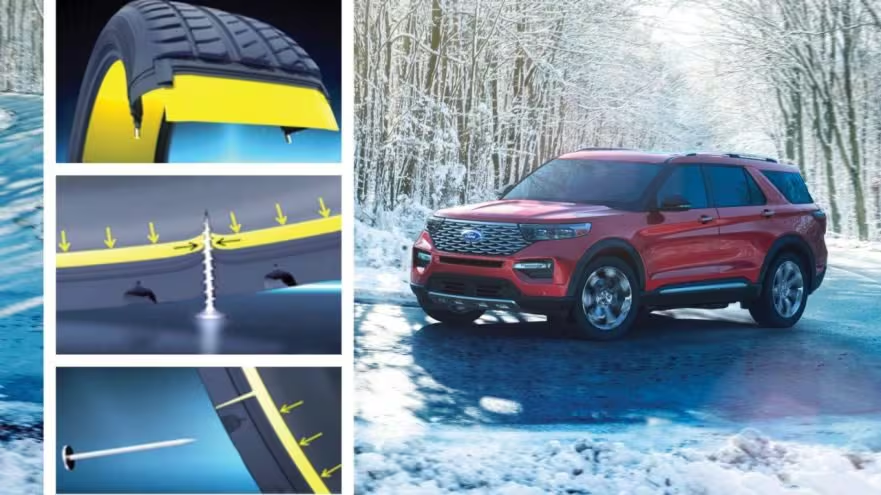
Nothing brings a West Michigan road trip or a morning commute to a screeching halt like a flat tire. Borgman Ford in Grand Rapids sees our fair share of tire punctures in our Service Center, ranging from things we're able to patch to utter catastrophes. Running over something like a nail happens to the best of us, and that's why we're pleased to share that some trim levels of the 2020 Ford Explorer will come standard with Michelin Safeseal® tires! more Read More These tires have a special membrane inside of them that work to surround objects and fill holes in the tire tread. As the membrane is forced into the void by the higher pressure inside, the tire stays sealed long enough for you to notice and get to Borgman to have it patched. This recent article from Ford explains more about the tires and why they chose them for the 2020 Ford Explorer - due out later this year. Here are some excerpts from the article: Spare The Flat Tire Fiascos: All-New Ford Explorer Introduces Michelin Selfseal Tires Designed To Keep Road Trips Rolling In the time it takes you to read this sentence, another vehicle tire was punctured. Across the United States, flat tires will leave millions of motorists every year on the side of the road, jack in hand and gravel on knees. Now, the all-new Ford Explorer offers a way to keep road-trippers on track as they #ExploreOurAmerica in the form of new Michelin Selfseal® tires. Designed to withstand common nail and screw punctures, these environmentally friendly tires are lined with a natural rubber sealant to fill most tread punctures and dramatically slow the rate at which air leaks – helping ensure your road trip continues without interruption. “Nothing derails a family vacation like a flat tire,” said Joseph Billman, Ford wheel and tire engineer. “Explorer is the ultimate road trip family hauler – and it’s the perfect fit for these new Michelin Selfseal tires.” Explorer is the first SUV in the world to offer Michelin Selfseal tires, which are standard on Explorer Platinum and Explorer Limited Hybrid four-wheel-drive models, and optional on Explorer Limited two-wheel-drive and four-wheel-drive models. “The all-new Explorer is designed to help our customers feel unstoppable and worry-free,” said Craig Patterson, Explorer marketing manager. “The availability of these new Michelin Selfseal tires is another great example of that.” You can read the full article by visiting Media.Ford.com. Get Adventure-Ready at Borgman Ford in Grand Rapids If you're planning your next big adventure in West Michigan and need a vehicle that's up for the challenge, visit Borgman Ford today! We have a huge selection of New Ford SUVs of all sizes and configurations, so there's sure to be one that matches your towing needs, off-road capability, passenger or cargo capacity, and budget. If you're chomping at the bit to get behind the wheel of the New 2020 Ford Explorer, Contact Us soon and we'll let you know when they arrive later this year, or help you build your own! If you found this post because you need new tires, the Borgman Service Center has a huge selection of new tires from name-brand manufacturers including Michelin - check our latest Service Specials and Schedule Your Appointment Online. Come see why we're the Best in the West!

Potholes and Tire

Pothole RX: Which Parts of Your Vehicle Could Be Damaged

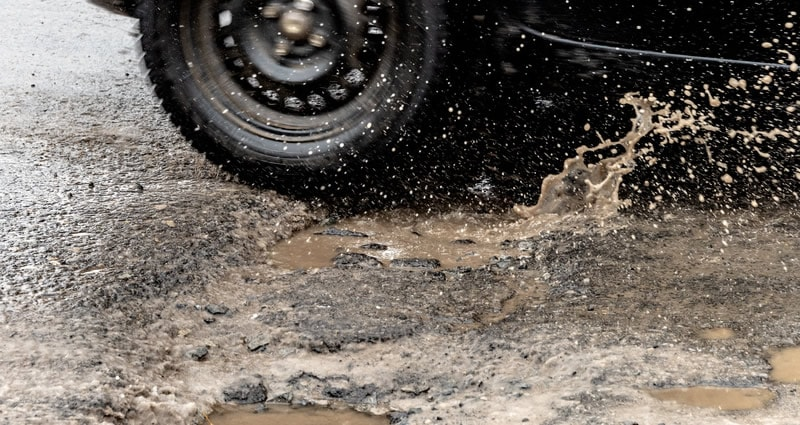
Every year when the snow starts to melt, West Michigan drivers welcome the more agreeable weather but know it comes with a cost: potholes will soon be everywhere. We might subconsciously memorize and avoid ones on our daily commutes, but there's a chance that sooner or later you're going to drive through one. There are steps you can take to minimize the damage they cause to your vehicle, but it's important to understand what could be affected. more Read More Knowing, identifying, and repairing pothole damage to your vehicle early keeps your repair bills down, so in this "Borgman How To," we're going to cover which parts are vulnerable and what function they serve - so you can sense when they need attention. How Potholes Can Damage Your Tires The reason your vehicles have air-inflated rubber tires is (generally speaking) because they deform to the road surface. This gives you better traction and absorbs a good portion of the road noise and bumps by acting as a cushion. Making sure your tires are properly inflated to the correct pressure goes a long way toward lessening the impact of hitting a pothole. However, if your tires aren't filled correctly, you run over a larger pothole, run over one at high speeds, or if you hit one on an angle, it is possible to damage your tire. If the tire is struck hard enough head on, both the compression and shock could create tears in the inner lining. This is known as a sidewall breach, and you can often feel the bulge of air with your hands. If the tire is struck like that again, it could very well blow out. If you run over a pothole on an angle, these are impacts the tire was not designed for and it could do more immediate and severe damage. This includes taking chunks out at the tread, splitting, cracking, or in severe cases blowing them entirely. If you hit a pothole hard enough that it spills your coffee, the best thing to do is safely pull over and check your wheels for damage. Your rims could be damaged by a nasty pothole too, we'll cover that next: How Potholes Can Damage Your Rims Unlike tires, rims are not supposed to be flexible and if they take a big enough hit, they will bend, crack, or in some cases shatter. The most extreme cases come from vehicles with low-profile tires or tires that are under-inflated. If a rim takes damage from a pothole, there's a good chance it has been compromised and will not be able to hold air. How Potholes Can Damage Your Suspension Your suspension's job is to distribute the weight of your vehicle and absorb shocks or vibration from the wheels. When the impact from a pothole is more than they can handle, parts can become bent or fail altogether. In most setups, the front suspension consists of a MacPherson Strut which is connected to the body/frame at the top and bottom, the wheel, and to the steering control arms. The strut has a shock-absorbing cylinder within it that uses compressed oil or air to control the speed of the wheel moving up and down. A large spring coiled around this shock holds the body of the vehicle up off the ground. Pothole impacts can damage that shock absorber, damage steering components like control arms, knock your wheels out of alignment, or bend/break other front-end parts. You can usually "sense" this has happened because the vehicle will make new noises when going over bumps, pull to one side, the steering wheel could be crooked, or it could be bumpier or louder than usual in the cabin. Severe pothole damage to your suspension is less common, but when it does happen it can be expensive. Depending on your auto insurance policy though, you may be able to claim the repair as a collision. We can certainly help you navigate this, but it's important to check your policy beforehand to clear up any assumptions. Potholes Can Damage Other Parts Too While the wheels and suspension often get the worst of it, low-stance vehicles like sporty sedans can "bottom out" if the pothole is deep enough. This can result in dragging exhaust parts like the muffler, catalytic converter, or exhaust pipe on the pavement. Parts of the body can be damaged too, but usually, it's just the plastic plate protecting the bottom of the engine. These are easily replaced, and we often have them in stock. Where Do Potholes Come From? During the warmer days, the ice on the road melts and seeps down into the cracks in the asphalt. After nightfall, when the temperature drops back below freezing, the water turns back into ice and expands with more than enough force to shatter the pavement, which then allows more water into the cracks. This cycle repeats until enough water can get in to wash away the earth below, and then the pavement collapses into a crater. From there, a pothole only gets wider and deeper until it's repaired. How Do You Prevent Pothole Damage? Since there has been a lot of freezing and thawing going on all winter, you’re likely to see more than a few potholes while out and about. While running over a pothole isn't ideal, sometimes it's unavoidable. The best thing you can do to prevent severe damage is to make sure your tires are properly inflated - especially since the changing temperatures will affect the pressure in your tires. The rule of thumb is for every 10ºF change in temperature, the pressure in your tires changes by 1 psi, but your mileage may vary so check them often. If you absolutely cannot avoid a pothole, slow down as much as possible and release the brake just before impact. Make sure you drive straight through because as we mentioned above, hitting them on an angle can wreak havoc on your tires. Wait for the rear wheels to clear before getting back up to speed. If the impact made you cringe, pull over as soon as it is safe to do so and inspect your wheels for damage. Hit A Big Pothole? Have Your Vehicle Inspected at the Borgman Service Center in Grand Rapids, MI Pothole season has been an unfortunate fact of life in West Michigan for decades. If you've run over one recently and it's causing some concern, Schedule an Inspection today at the Borgman Service Center and put your mind at ease. Our highly-trained and friendly staff will inspect your vehicle for signs of damage and will make honest recommendations based on what they find. If you have any questions about your vehicle, our advisors will be happy to sit down during your appointment and answer them for you. Come see why we're the Best in the West!
Pre-Spring Vehicle Checkup

Borgman How To: Pre-Spring Vehicle Checkup

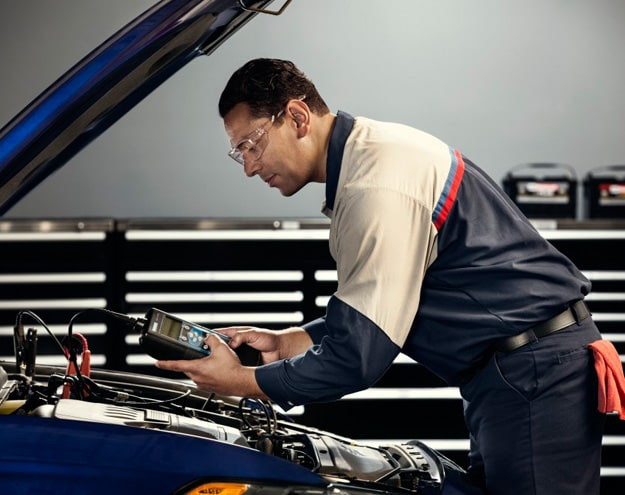
With the West Michigan winter weather's ups and downs this season, we're going to be seeing more and more potholes spring up around Grand Rapids. While drivers can learn to spot them and move around them, sometimes it just isn't safe to do, or they're hidden beneath puddles. Striking one of these isn't subtle, and hitting enough of them will do damage to your wheels and suspension. Between this and the salt spread on the roads, winter can take its toll on your vehicle. more Read More Hopefully spring is right around the corner, and the Borgman Service Center can help you get your vehicle ready for the warmer weather. Our highly-trained staff will inspect your vehicle for suspension damage, check your fluid levels, replace your ice-damaged wiper blades, align your wheels, and inspect your vehicle top to bottom for other winter-related concerns. In this Borgman How To, we'll cover some easy things you can do yourself to scrub the salt from your vehicle inside and out, and explain how to tell if you need to bring it in for more than a checkup. Hit a Pot Hole? Here's What To Watch For: Potholes are formed when water seeps down between the cracks in the pavement and washes away the soil beneath. When the water re-freezes, it expands and breaks up the pavements making pits. Since there has been a lot of this going on this season, you're bound to see a few of them while out driving in West Michigan. While making sure your tires are properly inflated and your suspension is aligned can help protect your vehicle if you hit one, it's still best to avoid them if at all possible. There are a few components they get the worst of it when you hit a big one or at high speeds, and those are your tires, wheels, and suspension. The sharp edges of a pothole can strike the tire at angles they're not designed for, causing sidewall breaches or separating the treads. Rims can become dented and let air out if the tires aren't fully inflated, and suspension components can become bent or misaligned. Spotting the first two issues is pretty straight-forward: if the tire doesn't go flat you'll be able to see a dent in the rim by crouching down to look. Be sure to check both sides very carefully, and sometimes it helps to move the vehicle a little bit to rotate the wheel. When in doubt, Contact the Borgman Service Center as soon as possible for an expert inspection. Catching suspension damage is a little more nuanced, as sometimes it manifests itself gradually. Symptoms of damaged or misaligned suspension include uneven tire wear, squeaking or clunking while turning, a rougher ride, or just "something feeling off" about the steering. These issues can lead to even bigger, costlier issues if left ignored, so if you suspect something isn't right Schedule an Appointment right away. How To Remove Salt and Winter Buildup From Your Vehicle Body Salt, and compounds like it are torturous to vehicles, but they're necessary to keep motorways free of ice in the winter time. Unfortunately the treated water works its way into the underside of your vehicle and promotes rust. Frequent car washes guard against this, but what they can't do is remove contaminants from the paint job itself. Little bits of dirt and gunk work their way into tiny scratches in the clear coat and will eat away at it until they're removed. Once the weather warms up, this is something you can do yourself. After washing the car, use a detailing clay kit on every inch of the body work to pull this stuff out before buffing and shining. Spray an area with clay lubricant and rub the clay back and forth across this spot to pull the contaminants out. Once you stop feeling resistance, that spot is clean. Rework the clay and move on to the next spot. Follow the directions on the box carefully, as you'll also need to seal the paint when you're done with a good waxing. How To Lift Salt Stains From The Interior Carpeting Unfortunately those of us with black carpeting in our vehicles notice it first, but the salt water we track in with our shoes will dry, leaving unsightly salt stains behind. These aren't easy to remove, but it's not impossible to do yourself. All you need is some white vinegar, a scrub brush, a spray bottle, and some water. Remove the carpet floor mats from the vehicle first, as there may very well be stains below them too. Spray the affected areas with the vinegar/water mixture and gently brush the stain. Blot the area with a dry towel to pull the salty water out, repeating as necessary. Remember not to scrub too hard as you'll damage your carpet. Vinegar works really well here but if you're put-off by the smell, there are a number of different carpet cleaners in the automotive section of the supermarket. Follow the directions on the can, but they usually involve spraying foam onto the area, loosening the stain with a brush, and vacuuming up the residue when it dries. It often takes about 2-3 times to get it out, but your mileage may vary. If you'd like to permanently skip the floor mat step of this yearly ritual, visit Borgman and ask about all-weather floor mats for your vehicle. Wipers, Fluids, and Other Components That Need To Be Inspected Windshield wipers are usually the first thing you'll notice need replacing in early spring. They'll streak, squeak, and if the winter ice has really done them in, they'll split and crack. Don't wait for more rain or sleet to let you know it's time for new ones, and visit the Borgman Service Center for a fresh set. Having us replace them ensures you're getting the exact size your vehicle needs, and they'll be replaced with high-quality Motorcraft wipers. While you're here, it wouldn't be a bad idea to have our technicians check all of your fluid levels, change your oil if it's getting to be about that time, and inspect all of your belts and hoses for cracks or signs of wear. After our inspection is complete, we'll give you a full run-down of the condition of your vehicle, including the tires, brakes, battery health, possible leaks, and more. Check out our latest Service Coupons, Schedule Your Appointment Online, and come see why We're the Best in the West!

Ford Service Battery

Borgman How To: Simple Auto Battery Care Tips

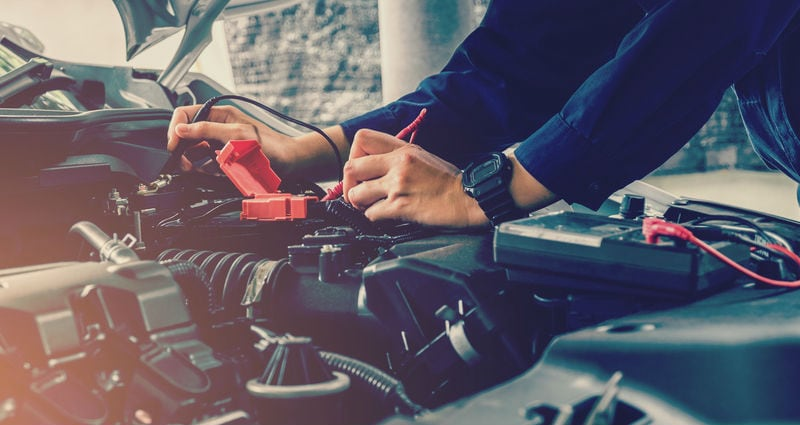
A Guide To Caring For Your Auto Battery in West Michigan While this year's winter (so far) has been milder than most, that doesn't mean some of us won't have issues with our car batteries in the West Michigan cold. This cold weather can slow down the chemical reaction that makes batteries work, but unless we're in sub-zero temperatures, having trouble probably mean it's time to visit Borgman for a new one. However, there are things you can do to prolong the life of your battery, and knowing the different parts might be the difference between getting some extra time out of one or needing a replacement. more Read More In this Borgman How-To, we'll get you comfortable with the parts and terminology of batteries, as well as a couple of owner tips to get you (or someone else) out of a battery-related jam. Why Does a Vehicle Have a Battery? Hopefully, we're all familiar with what an electrical battery is and what it does. Just like the tv remote control or your smartphone, your vehicle needs electricity from a battery to operate, but unlike these two things, it can generate its own once it's running. Auto batteries serve two main functions within a vehicle: Store and deliver enough power for the starter motor and spark plugs to start the engine. Manage "keep alive" functions like clocks, security, and memory. The most common battery you'll find in a vehicle is a Maintenance-Free battery. The maintenance-free part is mostly true; it often distinguishes them from wet-cell batteries that need to be checked for water levels and refilled if necessary. We'll describe the difference between the two later in this article. You might hear auto batteries referred to as SLI Batteries (Start, Light, and Ignite.) This is more of a class of batteries and refers to three main uses for them. They're designed to deliver short bursts of power. When you start your car, the battery discharges about 400 amps of stored current to the starter motor, giving it more than enough juice to start turning the engine. As the engine gets moving, it goes through its various stages until combustion starts. While an engine is running, the rotation is used to power accessories via a serpentine belt. One of these is an Alternator and generates electricity while the vehicle is running. This power is used primarily by the spark plugs, but also every other device in the vehicle that needs electricity. The alternator also recharges the battery for next time. Other Functions of Batteries Batteries perform other smaller functions too, such as supplying extra power when the alternator is operating at full capacity, protecting the electrical system from voltage spikes, and keeping various systems alive when the engine is off. These "keep alive" functions include the clock, control modules for the engine and transmission, diagnostics, the security system, and more. How Do I Take Care of My Vehicle's Battery? Maintaining a battery is pretty easy these days, as it's more about good habits. It used to be that some batteries, often referred to as "wet-cell" would lose their electrolytes after a while and need to be topped up with water. Almost all modern batteries are sealed, so this isn't necessary. Under normal use, a modern battery should last about 5 years with minimal maintenance. While SLI batteries are designed to deliver a lot of power at once, they do not like to be drained all the way. This is referred to as a deep discharge, and each time it happens it shortens the life of the battery. While we can guard against this by ensuring accessories and lights are turned off after use, a dead battery can happen to the best of us and once or twice usually isn't a big deal. How To Clean Corroded Battery Terminals in Your Vehicle After a few years of use, you might notice what looks like salt growing on the posts of the battery. It is the battery leaking acid and corroding, but it doesn't always mean the battery needs replacing just yet. If you're having trouble starting the vehicle and there's corrosion on the battery, this is something you can clean up in about 20 minutes. All you'll need a wrench, baking soda, an old toothbrush, a tub with hot water, and safety gear. Put on safety gear: Wear goggles and thick rubber gloves to protect yourself. Battery acid and skin are not friends. Also, you should be aware that the battery could be leaching flammable gas, so handle it gently and keep it away from direct heat sources or open flame. Safety always comes first. Turn off any accessories in the vehicle including the climate control, headlights, dome lights, and so on. Remove the battery: First, remove any covers or straps holding the battery in place. Next, determine which wrench you'll need (it's usually a 3/8" or 10mm) and begin loosening the clamps on the terminals, starting with the negative post. Gently lift and twist the terminal clamp until it comes free. Tuck it away so that it does not accidentally complete a circuit while you're working on the next one. Once the battery is free, gently lift it out. Be careful - it's heavy! Start scrubbing: Mix roughly a tablespoon of baking soda with every cup of hot water in a large bowl. Dip an old toothbrush into the mixture and use it to start scrubbing the acid and corrosion from the battery posts and terminals. Note: If you see any cracks or active leaks in the battery, stop immediately. Bag it up and bring it to Borgman to be recycled, and to buy a Motorcraft replacement. The benefit of having us inspect or clean the terminals of your battery in the service center is that your vehicle is already here if we find further issues like this one. Thoroughly dry the battery and terminal clamps: An old towel should do the trick, but you could also use that blue paper towel in the automotive section of the supermarket. You might also want to put a little bit of petroleum jelly (or better yet, dielectric grease) on the posts to protect the metal. Replace the battery: Reconnect the positive post first and tighten the nut with a wrench. Now reconnect the negative post and tighten the nut. Replace all strapping, cladding, or covers that were on the battery. After everything is buttoned back up, turn the key to make sure the vehicle has power, and then start the vehicle. Road Survival Tip: In a pinch, you could replace the baking soda and scrubbing with a cola soft drink. Popular name-brand colas have sodium bicarbonate in them. If allowed to sit on the posts and terminal clips for a few minutes, it might dissolve enough of the corrosion to get you back up and running. Simply disconnect the terminals, pour a little on them (enough to coat the corrosion, no more) and let it sit for a few minutes. Rinse the area with water and thoroughly dry. Hook everything up and try to start the vehicle. If it runs, you can get it home for proper cleaning. How To Use Jumper Cables If your battery is discharged to the point it cannot start the vehicle, you'll need a jump. To do this, you'll need a set of jumper cables and a donor vehicle. Check with the owner of the donor vehicle to make sure they don't have electronic ignition or any other features that would become damaged during a jump. Whatever we tell you here is superseded by whatever it says in your owner's manuals. Park both vehicles with their engine compartments facing each other and make sure both are turned off. The easiest way to remember how to connect them is to work your way around in a circle, beginning and ending with your vehicle. Also, try not to let the ends of the jumper cables touch each other. Connect the red clip to the positive post of your battery. Connect the other red clip to the positive post of the donor battery. Connect the black clip to the negative post of the donor battery. Connect the other black clip to an unpainted metal bolt on the engine or the metal Alternator mount. Have the donor start their car and wait for a while as your battery charges off their alternator. While this used to be true, there's no need for the donor to lightly rev their engine during this time. After 5 minutes or so, attempt to start your vehicle. If it starts, remove the clips in the reverse order of how you put them on. If not, check your connections and wait a while longer. Make sure both vehicles run for about 30 minutes after the jump. This gives the alternator time to recharge the battery. If your vehicle stalls at some point after a jump, it could mean your alternator needs to be replaced, or point toward different ignition issues. Have the experts at Borgman take a look and make the necessary repairs. Having Battery or Electrical Issues? Trust The Experts at the Borgman Service Center If your vehicle is having trouble starting, running, or you're having any other issues, the highly-dedicated and expertly-trained staff at the Borgman Service Center are here to help. Use our easy Online Scheduler to make your appointment online or feel free to Contact Us by email or phone to discuss your vehicle. Our customer service is what sets us apart. Come see why we're the Best in the West!
Contact Us

Fill out this form below and we'll contact you shortly
*Required Fields